


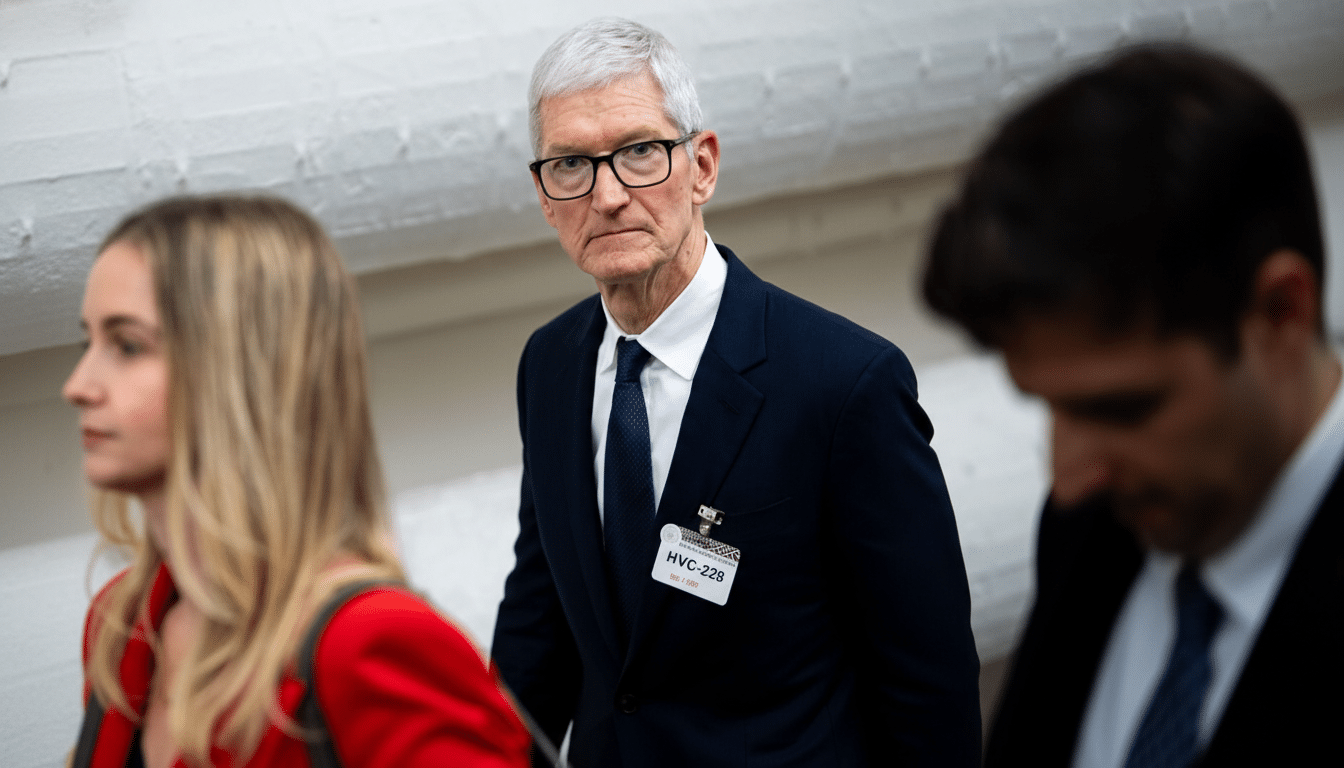
Amid mounting criticism of tech leaders’ silence, Apple CEO Tim Cook has told employees he supports a de-escalation of Immigration and Customs Enforcement activities in Minnesota, describing recent events there as heartbreaking and saying he raised the issue directly with the White House.
In an internal memo, Cook expressed sympathy for affected families and communities following fatal encounters that have intensified scrutiny of ICE operations. He said it is “time for de-escalation,” noting that he had a constructive conversation with President Trump about lowering tensions and prioritizing public safety.
De-escalation, in this context, typically means scaling back high-intensity enforcement tactics, pausing or narrowing field operations, and reassessing rules of engagement to reduce the risk of civilian harm—steps that civil rights advocates have urged in Minnesota following deadly incidents.
Cook Backs De-Escalation After Employee Pressure
Cook’s message follows growing pressure inside tech firms to speak out. Apple has a long record of engaging policymakers on privacy, supply chain labor, and immigration issues, and company insiders say the CEO’s note reflects concern for retail and corporate staff who live in or near affected communities as well as a desire to help cool a volatile situation.
Executives rarely wade into active law enforcement controversies, but the scale of public attention and the potential for harm to bystanders have pushed corporate leaders to weigh the safety of employees and customers alongside reputational risk. Apple’s approach—private engagement paired with a call for de-escalation—tracks with how the company has historically tried to influence public policy without overtly politicizing its brand.
AI Leaders Add Their Voices Amid Minnesota Turmoil
OpenAI CEO Sam Altman told employees, in comments reported by The New York Times, that recent ICE actions are “going too far,” drawing a clear line between removing dangerous offenders and practices that can ensnare nonviolent individuals. Altman emphasized that the company would avoid performative statements while continuing to engage leaders and advocate for its values.
Anthropic CEO Dario Amodei also referenced Minnesota’s turmoil while promoting an essay on AI risks in national security, arguing that safeguarding democratic rights at home must remain central as powerful technologies enter government workflows. The intervention from prominent AI founders underscores how quickly operational controversies can become tests of ethical leadership across the tech sector.
Worker-Led Campaign Puts Tech On The Spot
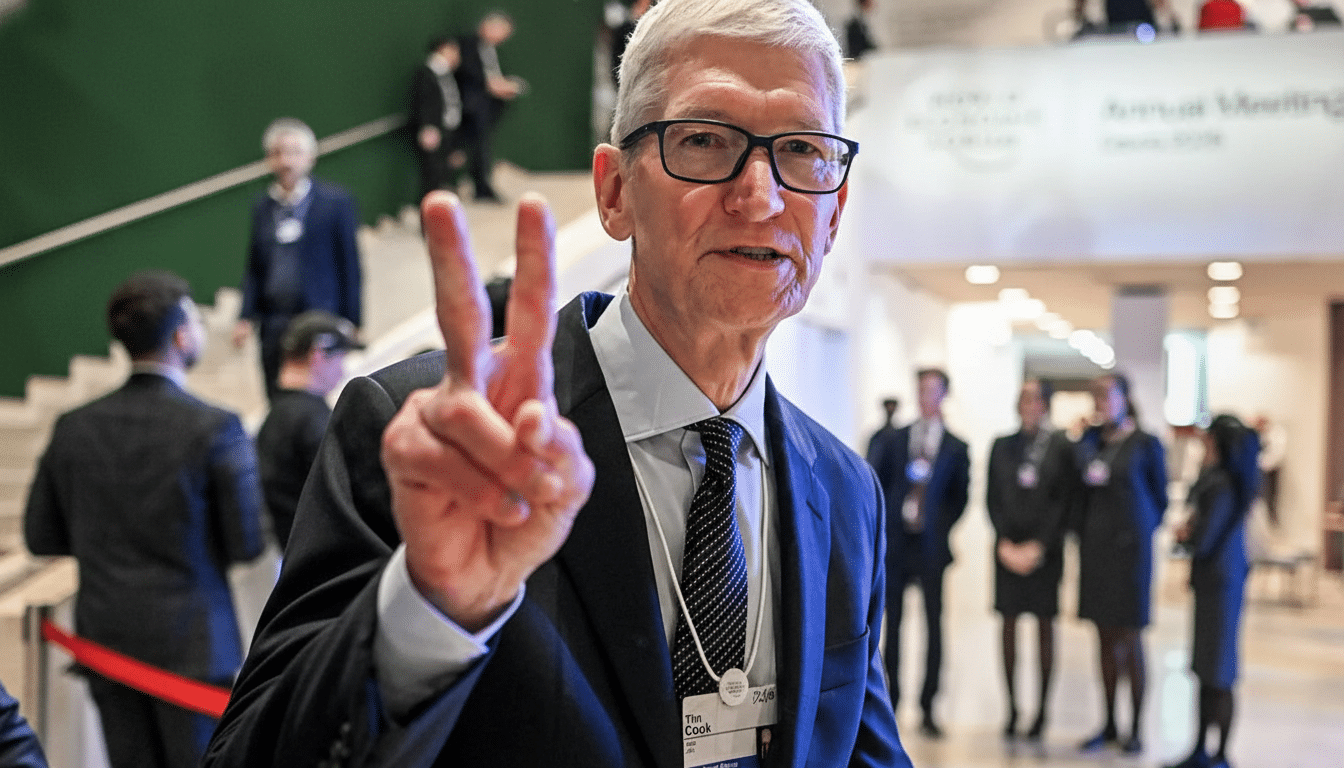
A new “ICE out” campaign, launched by tech workers, has gathered roughly 500 public signatures urging executives to oppose the agency’s current actions in Minnesota. The organizers say they moved from private petition to open letter to force a broader conversation about vendor relationships, data-sharing, and how tech tools might be used in high-risk field operations.
There is precedent for employee-driven influence: in 2018, thousands of Google workers pushed the company to exit a Pentagon AI contract, and the “No Tech for ICE” movement later pressured firms to reassess sales to immigration and border authorities. Those efforts don’t always halt government deals, but they often compel tighter guardrails and transparency—outcomes worker groups are again seeking.
Policy Signals From Washington Point to Changes in Minnesota
President Trump has signaled a willingness to “de-escalate a little bit” in Minnesota, and initial steps reportedly include sending White House border adviser Tom Homan to the state and sidelining Border Patrol chief Gregory Bovino. What de-escalation looks like operationally—fewer raids, revised directives, or an internal review—remains to be seen.
Civil liberties organizations, including the ACLU, are urging independent oversight, public reporting on use-of-force incidents, and clear rules limiting high-risk encounters. Metrics to watch will include the frequency of enforcement actions, the proportion of arrests involving violent offenses, and whether incident rates decline as policies are adjusted.
Why It Matters For Tech Governance and Public Trust
For large employers like Apple, which has more than 150,000 staff worldwide, public safety crises intersect with workforce morale, retail operations, and brand trust. Employees increasingly expect leaders to articulate values when government actions could impact communities where they live and work, a trend reflected in multiple corporate governance surveys in recent years.
Cook’s call for de-escalation is significant because it couples private advocacy with a public signal designed to lower the temperature. With AI chiefs and rank-and-file technologists amplifying the message, pressure is building on federal officials to recalibrate. The test now is whether Minnesota sees fewer high-risk encounters and stronger safeguards—concrete indicators that de-escalation is more than a talking point.
