


Not that long ago, “getting in shape” usually meant one thing: dragging yourself to a gym, waiting for equipment, half-following a generic workout plan, and hoping you were doing things right. Some people loved that routine. A lot of us… didn’t. Life got busy, motivation dipped, and suddenly that gym membership was just an expensive reminder of good intentions.
Fast forward to now, and fitness looks very different. The rise of the smart home gym has quietly changed how people think about working out, especially with AI stepping into the picture. What used to feel intimidating or inconvenient is becoming more personal, more flexible, and honestly, more realistic for everyday life.
- From One-Size-Fits-All to Actually Personal
- Why the Smart Home Gym Feels Different
- Connected Fitness Equipment Brings Everything Together
- Smarter Than the Gym—And More Convenient
- Making Fitness Less Intimidating
- Real Progress You Can Actually See
- Fitness That Fits Real Life
- The Future of Personalized Fitness at Home
- Final Thoughts
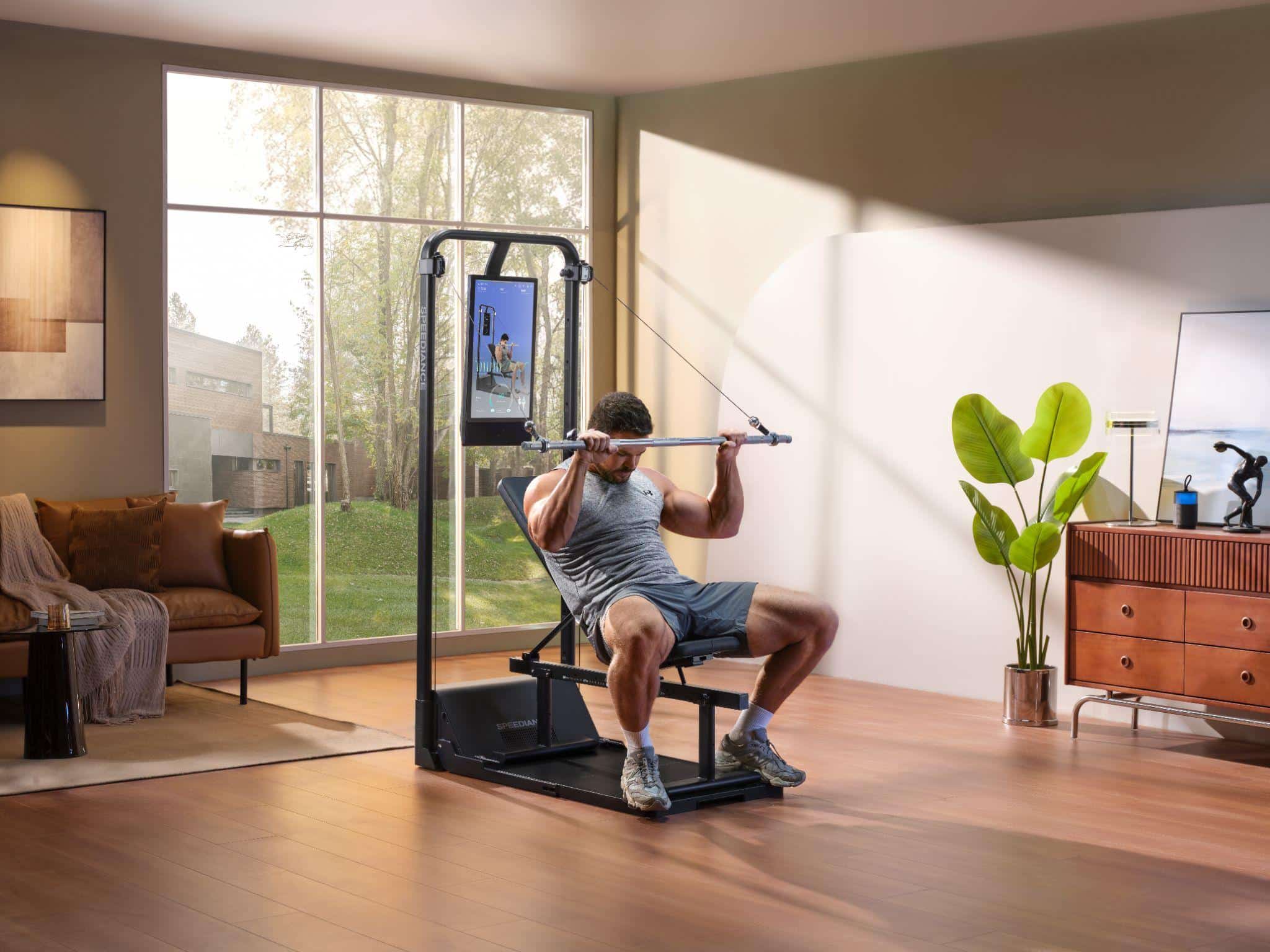
This shift isn’t just about fancy screens or high-tech buzzwords. It’s about making fitness fit you.
From One-Size-Fits-All to Actually Personal
Traditional gyms were built around a one-size-fits-all idea. Same machines, same classes, same routines—no matter who you were or what your body needed that day. Even personal training, while helpful, wasn’t always accessible or affordable long-term.
This is where home exercise technology really started to shine. Instead of asking you to adapt to the gym, the equipment adapts to you. Modern systems track how you move, how strong you are, and how you’re progressing over time. That data isn’t just stored somewhere; it’s actively used to shape your workouts.
With an AI fitness coach built into the system, you’re no longer guessing if you’re lifting too heavy or not pushing enough. The tech adjusts resistance, suggests rest, and nudges you forward at a pace that makes sense for your body. It feels less like being judged and more like having a smart, patient guide in the room with you.
Why the Smart Home Gym Feels Different
The biggest surprise for many people is how human these systems can feel. You’d expect something robotic, but the experience is often the opposite. A smart home gym responds to how you’re performing in real time. Struggling today? It notices. Feeling stronger this week? It adapts.
That’s the magic of workout personalization. Instead of repeating the same routine for months, your workouts evolve as you do. Some days are about strength. Other days, mobility or recovery. The AI doesn’t just push harder for the sake of it—it aims for consistency, which is what actually gets results.
And let’s be real: when workouts feel tailored to you, you’re more likely to stick with them. That alone makes a huge difference.
Connected Fitness Equipment Brings Everything Together
Another big shift is how connected fitness equipment pulls everything into one place. Your workout history, progress, form feedback, and future plans aren’t scattered across apps or notebooks. They live in one ecosystem.
This connection means your equipment knows you. It remembers what you did last week, what challenged you, and what needs work. Over time, that creates a training experience that feels surprisingly intuitive. You don’t waste time setting things up or figuring out what’s next. You just show up.
And showing up, especially at home, is half the battle.
Smarter Than the Gym—And More Convenient
Let’s talk convenience, because it matters. Gyms take time. Travel, parking, waiting for machines—it all adds friction. A smart home gym removes most of that. You can train early in the morning, late at night, or squeezed between meetings without changing your schedule.
But convenience alone isn’t why people are choosing systems like Speediance over traditional gyms. It’s the combination of ease and intelligence. Unlike basic home equipment, AI-powered setups actively coach you. They correct your form, suggest adjustments, and help prevent common mistakes that lead to injury.
In many ways, it’s like having a personal trainer who never gets distracted and never forgets your goals.
Making Fitness Less Intimidating
One underrated benefit of AI-driven home exercise technology is how welcoming it can be, especially for beginners. Walking into a gym for the first time can feel overwhelming. Everyone seems to know what they’re doing, and you’re left second-guessing every move.
At home, that pressure disappears. You learn at your own pace. The AI fitness coach guides you step by step, without rushing or comparing you to anyone else. That kind of environment builds confidence, which often leads to better long-term habits.
Fitness stops being about proving something and starts being about feeling better.
Real Progress You Can Actually See
Because smart home gyms track everything, progress becomes more visible—and more motivating. Instead of wondering if you’re improving, you can see the data. Strength gains, consistency streaks, improved range of motion—it’s all there.
This feedback loop is a huge part of why people stick with AI-based systems. You’re not just working hard; you’re working smart. The system learns from your performance and fine-tunes your plan so you keep moving forward without burning out.
Over time, that steady, personalized approach often beats intense, unsustainable gym routines.
Fitness That Fits Real Life
One thing that stands out about this whole shift is how well it fits modern life. People are juggling work, family, and a million other responsibilities. The idea of spending hours at the gym multiple times a week just isn’t realistic for everyone.
A smart home gym respects that reality. Short sessions still count. Modified workouts still matter. The AI doesn’t punish you for missing a day; it helps you ease back in. That flexibility makes fitness feel supportive instead of demanding.
And that’s a mindset change worth celebrating.
The Future of Personalized Fitness at Home
As AI continues to evolve, workout personalization will only get better. Systems will become even more responsive, learning not just from your workouts but from patterns over time. Recovery, stress, and energy levels will play a bigger role in shaping daily training.
What’s clear already is that this isn’t a passing trend. The combination of connected fitness equipment, intelligent coaching, and accessible home exercise technology is redefining what “working out” looks like.
For many people, the gym isn’t disappearing—it’s just moving home and getting a lot smarter.
Final Thoughts
The smart home gym revolution isn’t about replacing effort with technology. It’s about using AI to remove guesswork, lower barriers, and make fitness feel personal again. With an AI fitness coach guiding the way and connected systems adapting in real time, workouts become less stressful and more effective.
Whether you’re new to fitness or just tired of routines that don’t fit your life anymore, this shift offers something refreshing: a way to train that actually works with you. And that might be the smartest upgrade of all.
