


The Pitt just delivered a bracing, very 2026 image of modern medicine: a student doctor with a TikTok following, a patient who recognizes her from the For You Page, and an emergency that looks exactly like a viral cautionary tale. The episode’s message lands fast and clean — health care no longer meets people only in clinics; it meets them in the scroll.
When ER Reality Mirrors Viral Culture On Our Screens
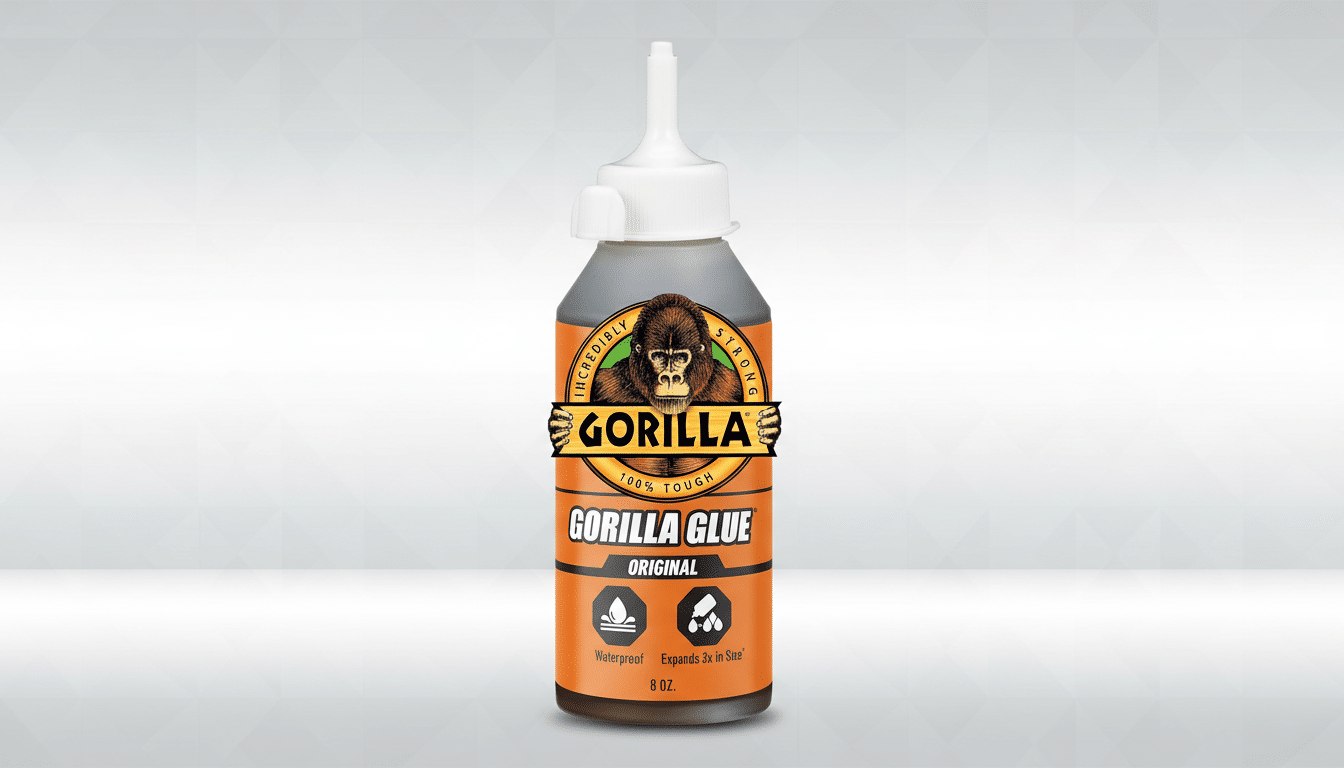
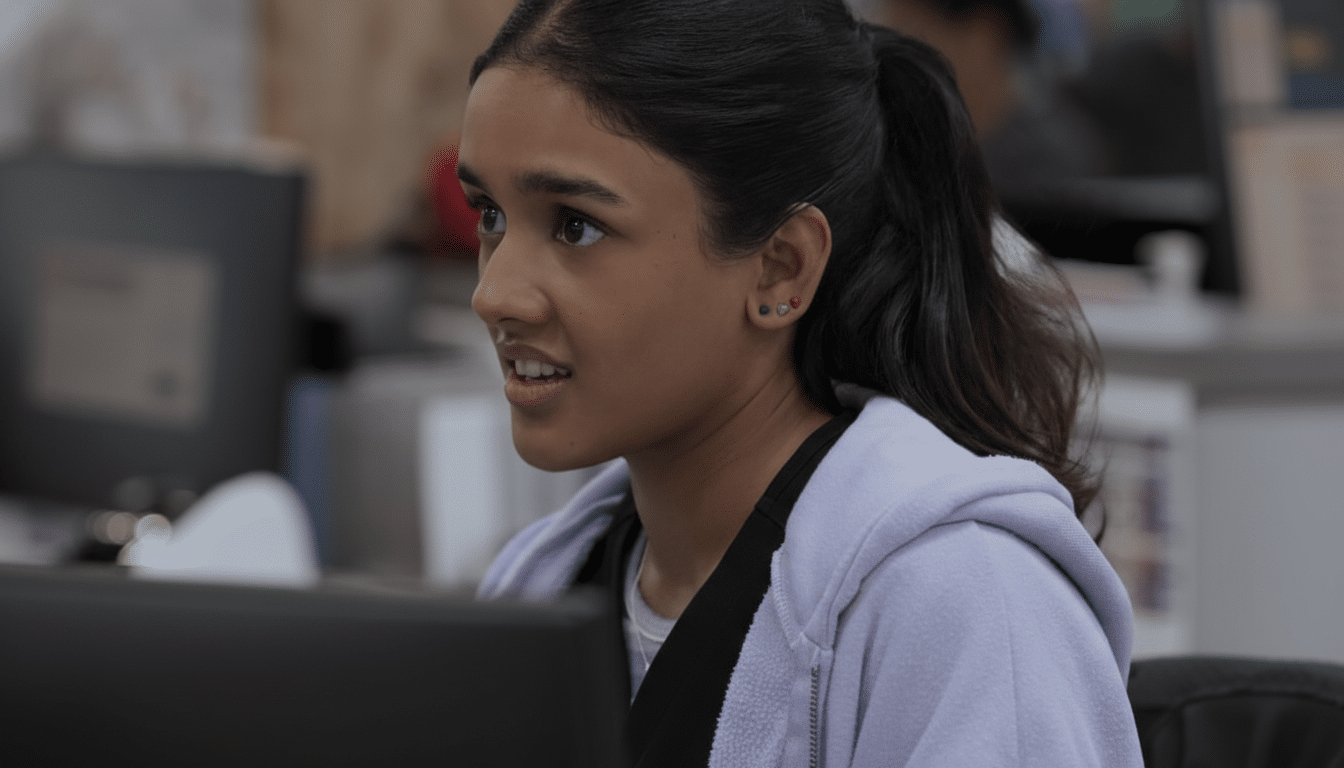
Mid-episode, The Pitt reveals that the rising student physician Javadi posts as “Dr. J,” where she breaks down common ailments and shift-life moments for a growing audience. Minutes later, a patient named Willow arrives after using Gorilla Glue as eyelash adhesive, sealing one eye shut — an unmistakable echo of the 2021 Tessica Brown saga that turned industrial adhesive into an ER headline.
Willow immediately trusts Dr. J because she’s seen her online. The treatment plan — patiently explained mineral oil soaks and trimming the lashes to reduce the glue bond — is standard care, and identical to what a more senior doctor recommends. Yet the authority Willow accepts comes from familiarity, not CVs. The scene nails a paradox of platform-era medicine: algorithms can make expertise feel intimate, and intimacy can eclipse credentials.
Doctors As Creators And The Misinformation Squeeze
Physician creators aren’t a novelty anymore; they’re part of a crowded public-health battlefield. TikTok’s health-adjacent hashtags — from #dermatology to #weightloss — attract billions of views. That reach is why clinicians show up: to translate dense topics, debunk bad hacks, and humanize what happens after a triage nurse calls your name. Professional groups like the American Medical Association have even published social media ethics guidance, urging doctors to balance education with privacy and accuracy.
But the incentives are lopsided. Short video rewards punchlines and certainty, not nuance. Systematic reviews in journals like JMIR have repeatedly found variable quality in TikTok health content, with many posts lacking references or overstating claims. At the same time, surveys from organizations such as Pew Research Center and KFF show younger users increasingly turn to social platforms for information, including health. The result is a double bind The Pitt understands: the same feed that launches misinformation is often where clinicians must chase it down.
Dr. J’s arc also highlights something platforms can get right. When a doctor speaks plainly, acknowledges uncertainty, or shows the toll of a night shift, it softens medicine’s edges. That perceived closeness matters in a system many experience as rushed and opaque. Parasocial trust, however imperfect, can be the bridge that gets a hesitant patient to seek real care.
Filming At The Bedside And The HIPAA Line
The episode pairs Dr. J’s reveal with another familiar internet reflex: recording everything. A parkour creator arrives after a fall through glass, and his partner keeps filming in the ER because the channel needs an upload. The show treats it with comedic impatience, but the stakes are real. The U.S. Department of Health and Human Services’ Office for Civil Rights has penalized hospitals for allowing media crews to capture identifiable patient footage without consent, underscoring how swiftly documentation can collide with HIPAA.
For clinicians, that means new muscle memory: spotting cameras, pausing the performance instinct, and protecting patient dignity in a space already stretched thin. For creators, it’s a reminder that “content” and clinical care obey different rules, and only one of them is non-negotiable when a life is on the line.
Tech Tools Without Easy Heroes In Modern Medicine
The Pitt threads TikTok into a broader season-long motif that also includes AI in clinical workflows. Neither technology is cast as savior or supervillain; the show asks how tools are used, by whom, and to what end. In one room, algorithmic familiarity shapes a patient’s trust. In another, algorithmic urgency pressures a creator to keep filming. And hovering over it all is a health system that too often leaves people to seek answers where they already are: their phones.
If there’s a prescription here, it’s pragmatic. Public institutions — from the CDC to local health departments — should meet audiences on platforms with the same fluency as creators, not just during outbreaks but in the everyday churn. Hospitals can train staff on on-camera boundaries and build workflows for rapid myth-busting. Physicians who create content can borrow newsroom habits: cite sources, disclose uncertainties, and prioritize harm reduction over virality.
In The Pitt, medicine doesn’t end at discharge; it spills into feeds, where trust is negotiated one short video at a time. That’s less a problem to solve than a reality to manage — with clarity, guardrails, and a steadier hand than the algorithm’s.
