


Women’s health is a constant focus, with advancements regularly improving diagnosis and treatment. One tool gaining attention in recent years is the PDG test, which is essential for understanding specific hormonal patterns related to fertility and overall reproductive health. In this article, we will explore the significance of the PDG test, how it works, and why it is so important for women’s well-being.
What Is the PDG Test?
The PDG test (Pyridoxal 5′-phosphate Dehydrogenase) measures the level of a particular hormone, which is a vital aspect of the menstrual cycle. It’s often used to assess progesterone levels during the luteal phase, which follows ovulation. This phase plays a crucial role in pregnancy, as progesterone helps to prepare the uterus for implantation and supports early stages of gestation. If the progesterone levels are too low, it may lead to difficulties with conception or early pregnancy loss.
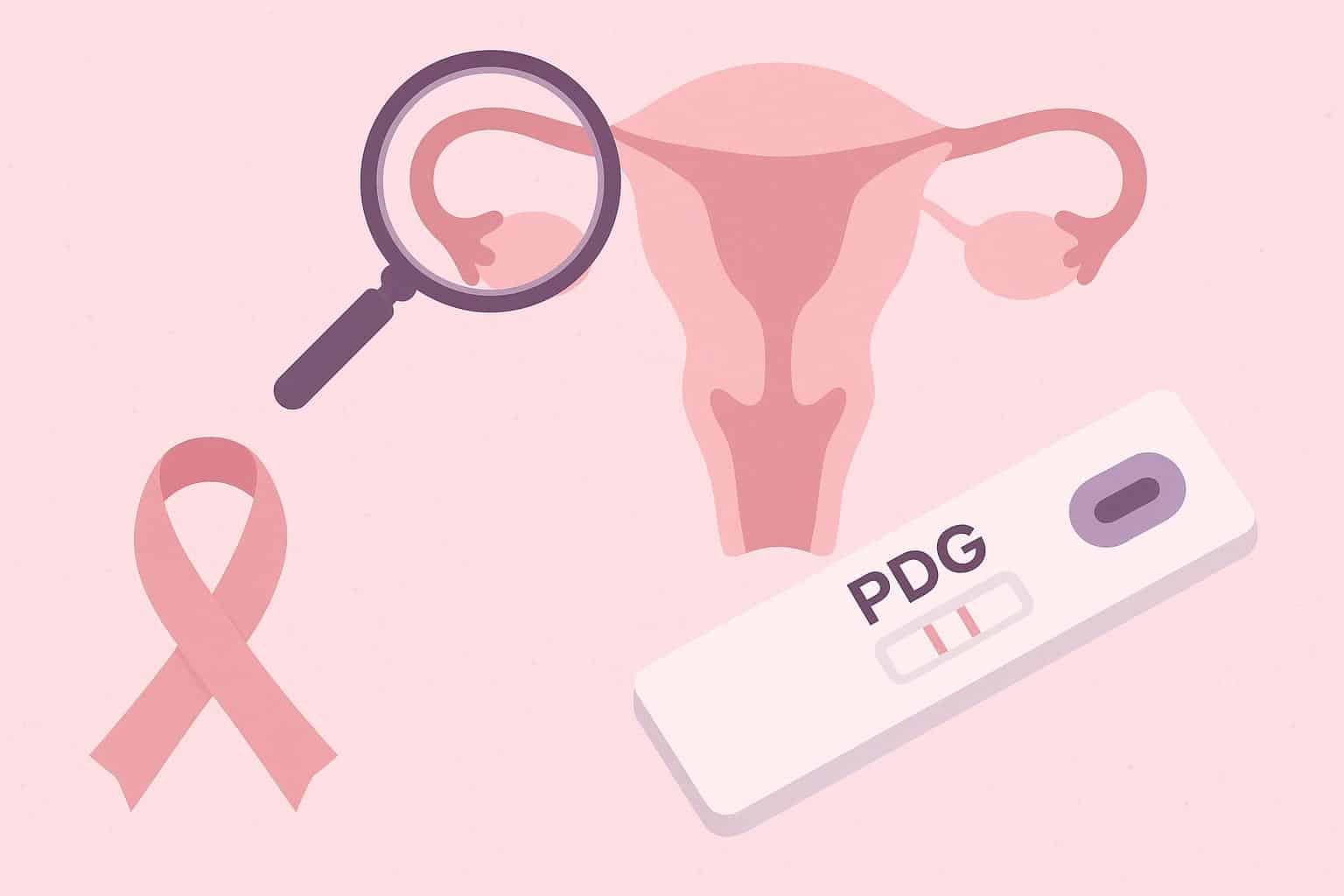
This test is typically recommended for women who are struggling with infertility or have recurrent miscarriages.
How Does the PDG Test Work?
The PDG test is non-invasive and involves a simple blood test. The procedure is typically performed after ovulation to measure progesterone levels. Since progesterone levels fluctuate throughout the menstrual cycle, this test helps pinpoint any deficiencies during the luteal phase, which can indicate fertility issues.
For women trying to conceive, the PDG test can provide clarity on whether their bodies are producing adequate progesterone. If the results show low progesterone levels, doctors may recommend a course of treatment to correct the imbalance. In some cases, hormone supplements may be prescribed to improve the chances of conception.
The Connection Between Progesterone and Fertility
Progesterone is often referred to as the “pregnancy hormone,” as it plays a key role in the early stages of pregnancy. After ovulation, the ovaries produce progesterone, which helps the endometrium (the lining of the uterus) become thick and well-nourished, creating an ideal environment for a fertilized egg to implant.
Without enough progesterone, the endometrial lining cannot support the implantation of the fertilized egg, making it more difficult to achieve a successful pregnancy. This is why testing for adequate progesterone levels is so important for women experiencing fertility challenges or recurrent miscarriages.
Who Should Consider Taking the PDG Test?
While the PDG test is often recommended for women struggling with infertility, there are several other reasons why someone might consider it. Here are some common scenarios:
- Difficulty conceiving
Women who are actively trying to conceive and have been unsuccessful for several months or years may be advised to undergo a PDG test. A low progesterone level could be a contributing factor to their inability to conceive.
- Recurrent miscarriages
Women who experience repeated miscarriages may benefit from this test. Low progesterone levels are often a cause of early pregnancy loss, and detecting this imbalance early can help in managing and preventing further losses.
- Irregular menstrual cycles
Women who experience irregular periods or symptoms that suggest hormonal imbalances (such as heavy bleeding, missed periods, or excessive cramping) may consider a PDG test to rule out any issues with progesterone production.
- Evaluating ovulation
If there is uncertainty about whether ovulation is occurring, the PDG test can confirm whether the body is producing the hormones necessary after ovulation to support a potential pregnancy.
Why Early Detection Matters
Early detection of hormonal imbalances, such as low progesterone levels, is critical because it enables earlier interventions. The sooner these issues are identified, the more effectively they can be managed, increasing the likelihood of successful conception and a healthy pregnancy. By understanding progesterone levels through tests like the PDG test, women and healthcare providers can work together to create a plan tailored to the individual’s health needs.
The Role of the PDG Test in Women’s Health
Beyond fertility and pregnancy concerns, the PDG test also provides valuable insight into overall health. Hormonal imbalances can contribute to a range of health issues, including mood swings, weight gain, and changes in skin health. By identifying a progesterone deficiency early on, women can address potential long-term health effects such as osteoporosis, cardiovascular disease, and other hormone-related conditions.
Conclusion
The PDG test is an essential tool for understanding women’s hormonal health, particularly for those experiencing fertility issues or recurrent miscarriages. By identifying progesterone imbalances early, women can take the necessary steps to restore their hormonal balance, leading to better overall health and fertility outcomes. It is a crucial step in taking charge of one’s reproductive health, allowing for more informed decisions regarding fertility treatments, hormone supplementation, and lifestyle changes.
For women facing challenges with fertility or those looking to understand their menstrual health better, consulting a healthcare provider about the PDG test is a great first step toward achieving balance and well-being.
