


Swapping the disposable coin cell in an AirTag for a rechargeable look‑alike sounds smart until you run the numbers—and look at the failure modes. Engineers and repair pros say the switch can shorten runtime dramatically, confuse battery alerts, and in some cases risk damaging the tracker you’re trying to protect.
Why Rechargeables Don’t Match AirTag Power Design
Apple specifies a 3V CR2032 lithium‑manganese dioxide coin cell for AirTags. That chemistry delivers roughly 220–240mAh with a predictable discharge curve and very low self‑discharge, which is why a single cell typically lasts about a year. By contrast, the common rechargeable substitute—the LIR2032—has a different chemistry and electrical profile: nominal ~3.6V (and up to ~4.2V when fully charged) with just 35–70mAh. That is up to 80% less capacity before you even consider losses.
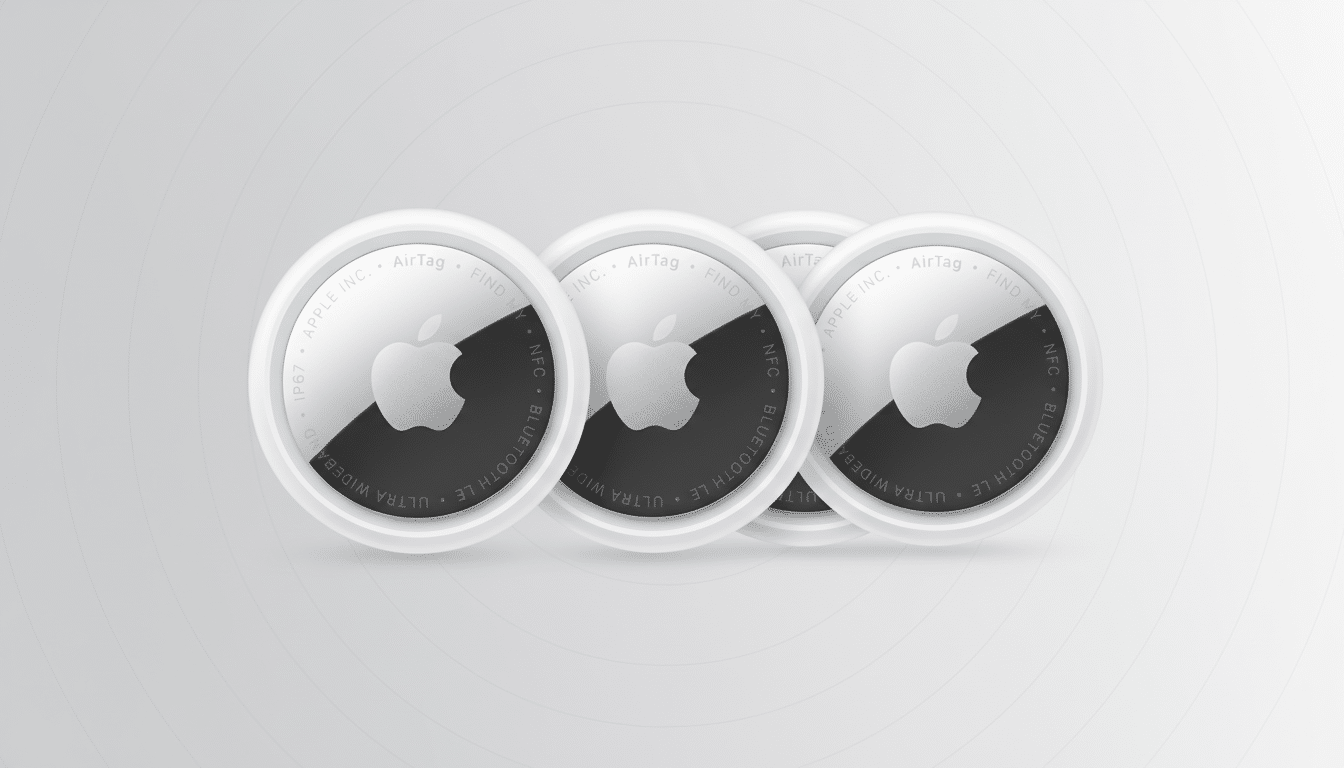
Voltage matters as much as capacity. AirTag power management, low‑battery alerts, and sensor behavior are tuned to the 3V plateau of a CR2032. A lithium‑ion coin cell starts higher, stays relatively flat, then falls off a cliff. The result: erratic battery readings followed by sudden shutdowns, not the gradual warnings users expect. Apple’s support guidance reinforces this by calling for nonrechargeable CR2032 cells—not rechargeables and not other form factors.
There’s also a safety and compatibility angle. Rechargeable coin cells are designed to be charged under tightly controlled conditions. AirTags include no charging circuitry, no cell balancing, and no protection specific to lithium‑ion coin cells. That mismatch is a red flag in standards like UL 1642 and IEC 62133, which emphasize proper integration and protection for rechargeable lithium cells.
Real‑World Failures Show Short Life and Sudden Cutoffs
In field use, the differences are stark. A property manager who shifted dozens of trackers to LIR2032 cells reported run times of two to three months at best—followed by abrupt, no‑warning shutdowns that left keys and fobs untracked for hours or days. That behavior aligns with the lithium‑ion discharge curve and the AirTag’s alert calibration.
Technicians who service wearables and trackers report ancillary issues too: corroded contacts from vented cells, swollen coin cells that jam battery doors, and rechargeable cells that arrive undercharged or develop high internal resistance after a few deep discharges. None of this is surprising; battery research groups such as Battery University note that over‑discharge in small lithium‑ion cells can cause permanent capacity loss and instability, especially when the host device doesn’t enforce tight voltage cutoffs.
Even when things don’t fail dramatically, the user experience suffers. Bluetooth and Ultra Wideband bursts—those precise pings that make AirTags so effective—draw short, sharp currents. With far less capacity and higher internal resistance, many LIR2032 cells sag under peak loads, causing performance hiccups and premature low‑battery flags.
Overvoltage and Safety Risks You Shouldn’t Ignore
A fully charged LIR2032 sits near 4.2V—well above the 3V AirTag expects. While devices have some tolerance, routinely feeding higher voltages can stress components over time. Teardowns show tightly packed radios, sensors, and a compact power path; there is no margin for swelling, leakage, or thermal events inside that shell.
Regulators such as the US Consumer Product Safety Commission and Australia’s consumer watchdog have repeatedly warned about button‑cell hazards, focusing on child safety, proper packaging, and correct cell selection. Mixing chemistries or improvising power sources falls squarely into the “don’t” column for small electronics without dedicated protection circuits.
Smarter Ways to Maximize Life and Minimize Waste
If longevity and sustainability are the goals, start with reputable CR2032 brands and fresh stock. Apple notes that some bitter‑coated cells can cause contact issues in certain devices; if your tracker misreads battery levels after a swap, try a standard uncoated cell from a major maker.
Replace proactively when you see the first low‑battery alert, keep spares in their original child‑resistant packaging, and recycle used cells at electronics retailers or municipal drop‑offs. Primary lithium coin cells have very low self‑discharge—often under a few % per year—so storing a couple of spares is practical and safe when done correctly.
For heavy‑use scenarios—fleet keys, shared gear—consider operational fixes: rotate batteries on a schedule, label install dates, and audit trackers quarterly. Those process tweaks deliver far more reliability than forcing a rechargeable cell into a device that wasn’t built for it.
Bottom Line: Stick With Standard CR2032 Batteries
Rechargeable LIR2032 cells may fit an AirTag, but they don’t fit the design brief. Expect shorter life, unreliable alerts, and potential hardware risk. Stick with quality 3V CR2032 primaries and proper recycling—the small environmental gain of rechargeables vanishes if the tracker fails when you need it most.
