


Tesla’s robotaxi fares are beating the market on price, but riders are paying with their time. A new analysis from rideshare comparison app Obi, based on 94,348 rides across San Francisco and the South Bay, finds Tesla offers the lowest average fare while posting the longest average wait.
Tesla’s price leadership comes with notable caveats
Obi’s dataset shows Tesla as a clear outlier on cost. The average Tesla robotaxi ride in San Francisco came in at $8.17, and fares reportedly rarely break $10. By comparison, Lyft averaged $15.47, Uber $17.47, and Waymo topped the list at $19.69 per trip.
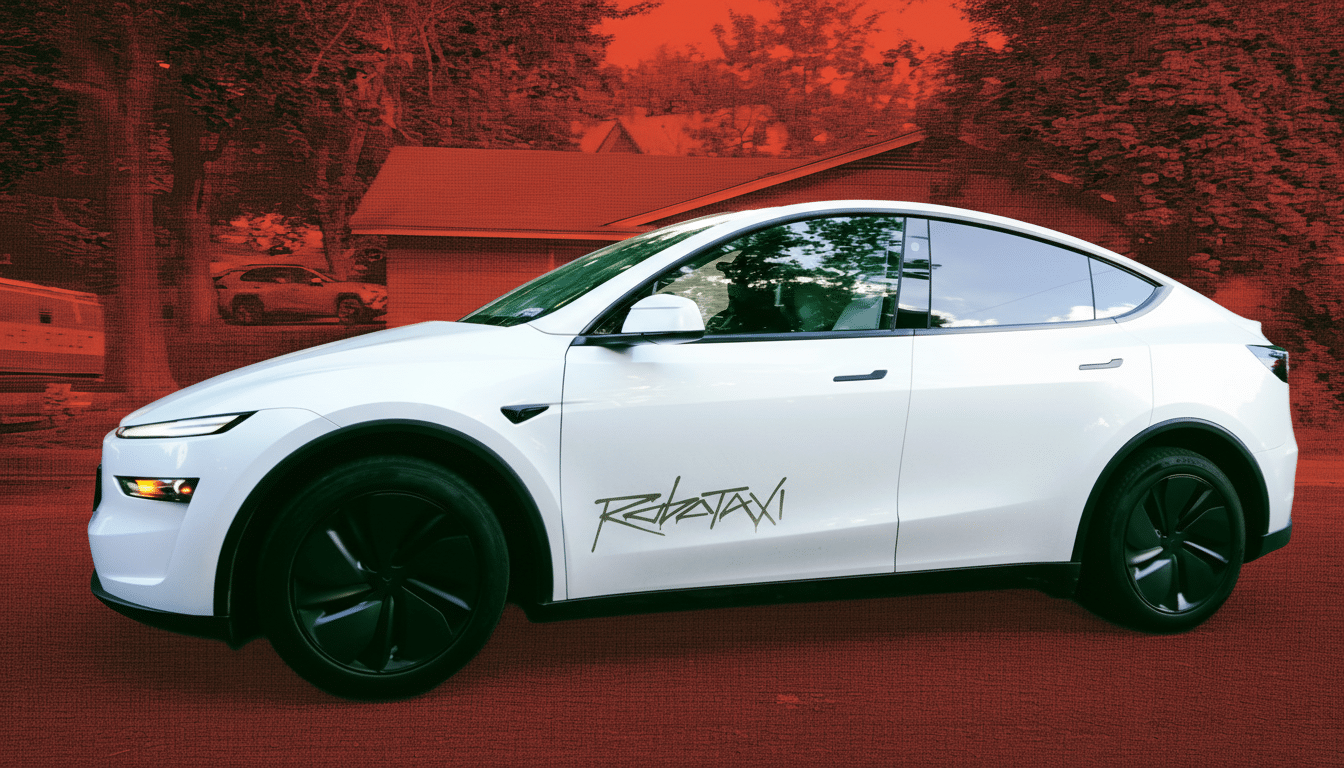
That pricing signals an aggressive customer acquisition strategy. With safety operators still seated in Tesla vehicles, labor remains a near-term expense. Keeping fares near or below $10 suggests subsidization to drive trial and build demand density. Whether those prices are sustainable as fleets scale and human oversight recedes remains an open question, but for now Tesla is resetting rider expectations on what an autonomous trip should cost.
Convenience gap highlights operational limits
The trade-off is speed to pickup. Tesla’s average ETA clocked in at 15.32 minutes—well behind Waymo’s 5.74 minutes and Uber’s 3.28 minutes for autonomous rides booked through its platform, according to Obi. For riders racing to appointments, those extra minutes loom larger than a few dollars saved.
Several factors can stretch wait times: smaller fleet size, tighter geofences, and conservative routing rules in complex urban corridors. California regulators also impose service conditions on robotaxis, which can limit coverage or require detours at certain intersections and hours. Waymo’s long-running mapping and operational footprint in San Francisco give it a density advantage; quicker dispatch comes from more vehicles staged in more places.
Comparisons are not quite apples to apples here
Direct comparisons between Tesla and Waymo come with an asterisk. Tesla’s robotaxis still operate with a human safety driver who has access to an emergency kill switch. Waymo, by contrast, runs fully driverless in approved areas. That difference affects cost structure, public perception, and regulatory oversight—and it can influence how riders judge “convenience,” from pickup confidence to mid-trip handoffs or disengagements.
It also explains part of the pricing puzzle. A service in supervised pilot mode may be optimized to maximize adoption, not margin. Meanwhile, a more mature, driverless service may price for operational resiliency, software upkeep, and higher utilization targets across a larger coverage map.
Survey suggests riders are warming to autonomous vehicles
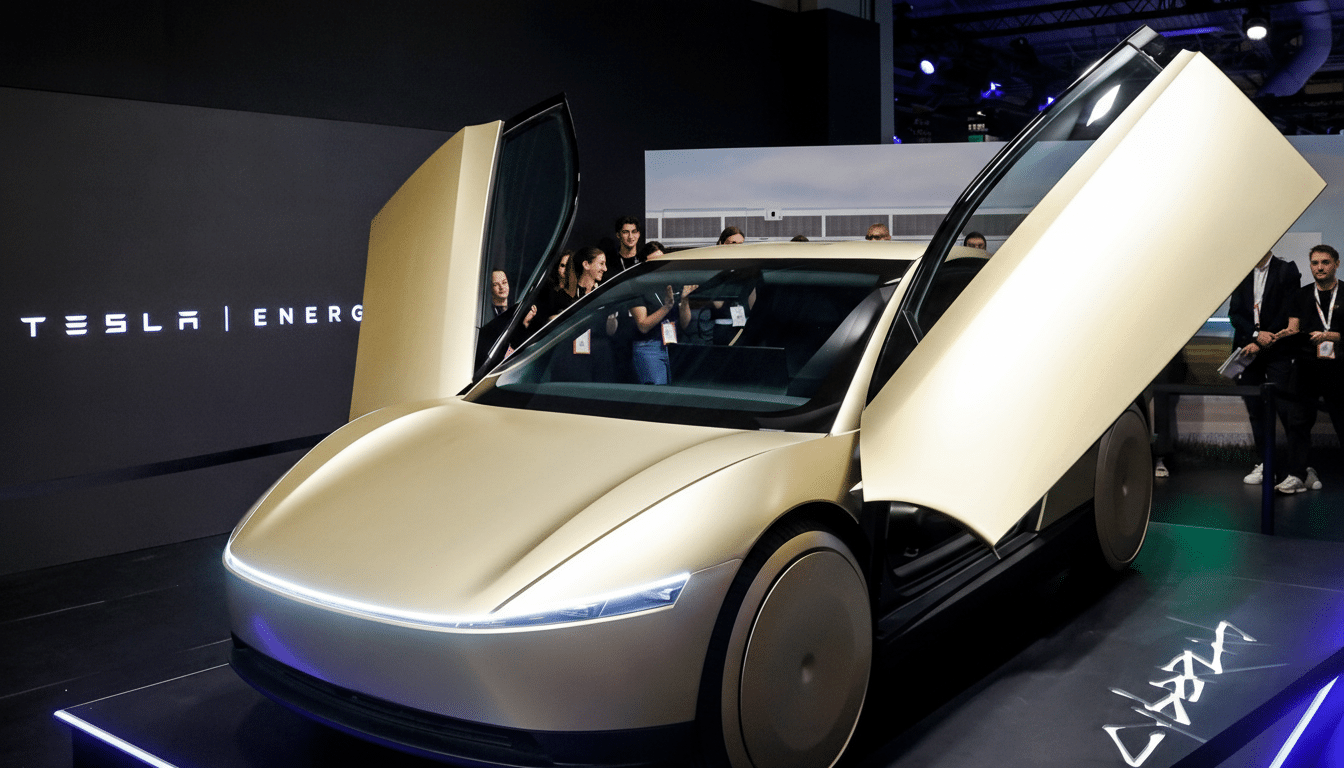
The Obi report points to a notable shift in sentiment. In markets where at least one robotaxi service is available, 63% of respondents say they are comfortable or somewhat comfortable with autonomous vehicles; only 16% say they are uncomfortable. That’s up 28 points from a similar poll run earlier, suggesting repeated exposure is softening resistance.
Brand preference reflects where services have logged real-world miles. Waymo was the top pick for 39.8% of respondents, followed by Tesla at 31.1%. Amazon-owned Zoox drew 13%, with 16.1% expressing no preference. The demographics are revealing, too: 56% of men favored Tesla as their preferred robotaxi brand compared to 35% of women—an indication that trust, safety perceptions, and brand identity are still shaping adoption.
What it means for riders, rivals, and the AV industry
For riders, the calculus is simple: if you value price above all, Tesla is compelling; if your priority is short waits and predictable logistics, Waymo—and autonomous options surfaced inside Uber’s app—currently deliver faster pickups. Expect these gaps to narrow as fleets grow, geofences expand, and dispatch models mature.
For the industry, the data underscores a predictable early-market split. One player is using price to seed habit, another is leaning on operational depth to win convenience. Regulators such as the California Public Utilities Commission and safety bodies like the National Highway Traffic Safety Administration will continue to shape the pace of rollout, determining where and how fast these services can operate.
The takeaway: price leadership can grab headlines, but convenience earns repeat rides. If Tesla can translate its fare advantage into faster ETAs through fleet growth and broader coverage—while transitioning beyond safety drivers—it could dramatically shift loyalty. Until then, consumers in robotaxi cities will keep choosing between cost and time, one ride at a time.
