


Tesla faces a possible 30-day suspension of vehicle sales in California if it does not stop using words like “Autopilot” and “Full Self-Driving” to describe its driver-assistance technology, according to a decision adopted by the state’s Department of Motor Vehicles. Regulators said they had given the company 60 days to repair its marketing language or risk losing its dealer license in what Tesla has described as one of the automaker’s largest U.S. markets.
What the California DMV Ordered on Tesla’s Autopilot Branding
The spat dates back to 2022, when the DMV submitted regulations with the Office of Administrative Hearings arguing that Tesla’s naming convention might mislead people into thinking its systems are autonomous. An administrative law judge recommended a decision and the DMV has now adopted it with some changes: a 30-day suspension of Tesla’s California dealer license for sales, stayed for a period of 60 days to allow time for correction. A parallel production penalty argued in the case was not ordered, as DMV essentially stayed that part of the order.
- What the California DMV Ordered on Tesla’s Autopilot Branding
- Why Driver-Assistance Language Matters for California Safety
- Tesla’s Response to California DMV’s Autopilot Marketing Order
- California Market Stakes for Tesla Amid Possible Sales Ban
- A Tougher Regulatory Climate for Automated Driving Claims
- What Comes Next for Tesla as the 60-Day Deadline Nears
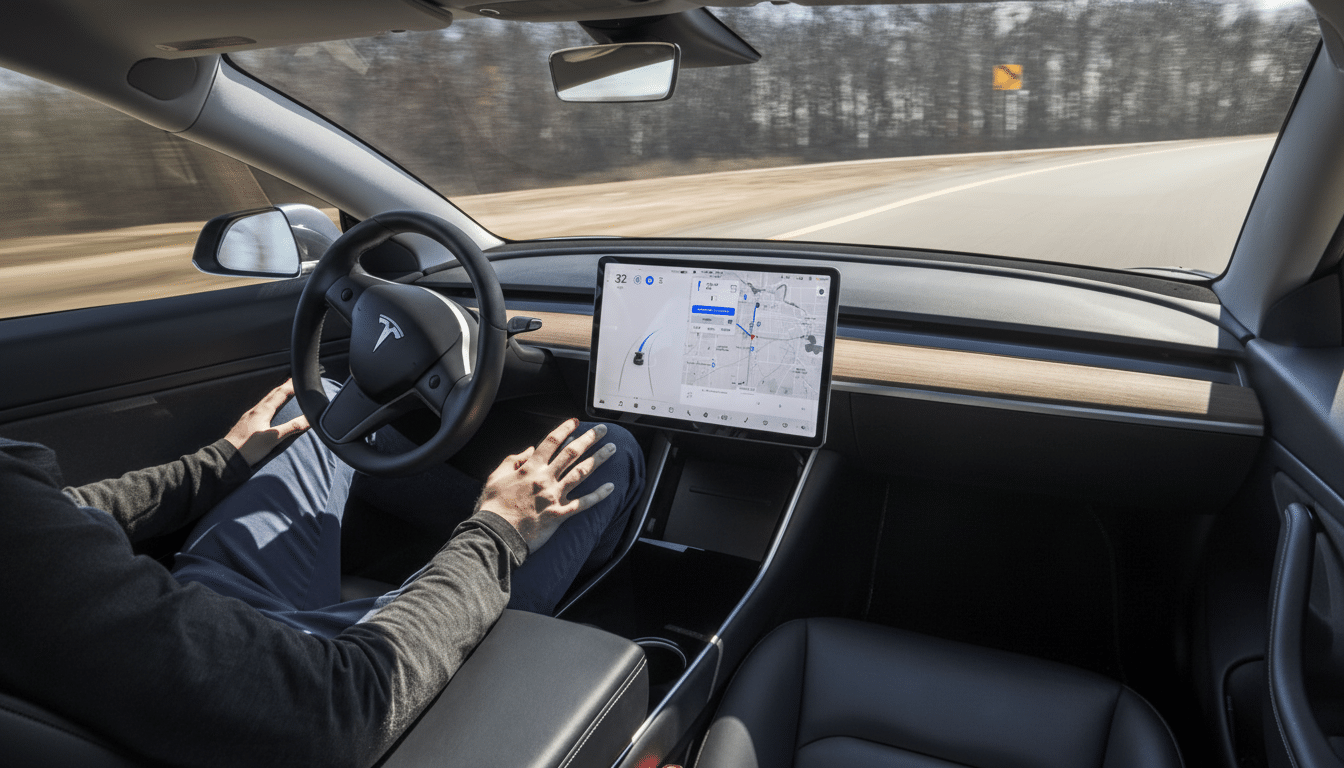
Fundamentally, the ruling revolves around how Tesla markets its features that are still considered by many to be SAE Level 2 advanced driver-assistance systems. These systems help with steering and speed but still need constant human attention, and they do not allow for hands-off, eyes-off driving. The DMV believes that terms such as “Autopilot” and “Full Self-Driving” may overpromise or imply a level of ability the technology does not actually meet, unless they are clearly qualified and explained.
Why Driver-Assistance Language Matters for California Safety
California consumer protection and auto dealer rules ban marketing that could reasonably mislead buyers about vehicle capabilities. The language is not just semantic, and regulators argue it colors how drivers behave. Federal investigators have long warned that overstatement can promote misuse of driver assistance, noting trends in crashes where drivers seem to have overrelied on the systems.
The National Highway Traffic Safety Administration has investigated dozens of Tesla crashes with Autopilot, and in late 2023 the agency started rolling out a broad software update that aimed to improve driver monitoring and alerts. In 2024, the agency initiated an inquiry into whether those changes are working. Though Tesla insists that drivers must remain alert, regulators say the marketing and on-screen offerings should be commensurate with that standard in order to minimize misuse.
Tesla’s Response to California DMV’s Autopilot Marketing Order
Tesla has publicly defied the DMV’s position, calling the order a consumer-protection gesture without evidence of customer harm and pledging that sales will not be affected. The company says owners know that Autopilot is a package of assistance features, not a pledge of full autonomy, and frequently refers to extensive warnings within the car and in manuals about using the feature and to remain engaged.
Procedurally, Tesla can request additional administrative review, or challenge certain aspects of the decision in court. But the 60-day clock is ticking. If the company does not change how it advertises the features in California — for instance, by pulling or reframing references to “Autopilot” and “Full Self-Driving” — the DMV said it would move forward with a 30-day suspension on sales.
California Market Stakes for Tesla Amid Possible Sales Ban
California looms large for Tesla. The California New Car Dealers Association has ranked Tesla the primary electric-vehicle brand in the state (including its home region of Palo Alto, among others), and no one sees high-volume sales except once or twice daily — a typical Model Y day at that. A monthlong hiatus in sales activity would add complexity to deliveries, inventory planning and end-of-quarter targets at a time when Tesla has reported uncharacteristic year-over-year drops in deliveries — its first since 2010.
The company’s factory in Fremont is also a key asset, though the DMV’s move does not affect manufacturing. Yet, even a temporary halt to sales would have ripple effects across local retailers and financing partners and through consumers waiting on a delivery. Analysts say any snafu in California, home to influential emissions and safety standards, poses outsized brand and business risk.
A Tougher Regulatory Climate for Automated Driving Claims
California is among the most restrictive regulatory climates for automated driving. The DMV suspended a major robotaxi operator’s permit last year after safety incidents in San Francisco, suggesting that there will be less tolerance for real-world experimentation that outpaces safeguards. Overseas, Tesla has encountered resistance as well: A court in Germany last year ruled that some “Autopilot” references used in ads for the cars were misleading, demonstrating how wording can invite legal attention.
Around driver assistance, the greater industry is trending toward better disclosures about what driver-assistance technology can’t do as well as specialized naming and driver-monitoring standards. Insurers and safety advocates have pressed regulators to come up with a way to ensure that marketing, user interfaces and training help drivers stay vigilant.
What Comes Next for Tesla as the 60-Day Deadline Nears
Over the next two months, Tesla would have to decide whether to revise its California marketing materials — including possibly adding bold disclaimers, changing product names or limiting what it promises — or continue appealing a suspension and moving into another iteration of appeals.
Daren Bakst, a research fellow at the Heritage Foundation who opposed CNB’s tactics in a letter he sent to CARB officials earlier this year, said: “What they’re trying to do is prevent people from even testing” electric vehicle technology.
For existing owners, the ruling doesn’t take anything away from their cars; it focuses on how the technology is marketed, not what’s deep in the software.
The result will establish a public precedent for how automakers explain advanced driver assistance. If Tesla is driven to make changes by California, it won’t be long before rivals do the same across the country. If Tesla wins, the ruling may dampen state-level attempts to regulate nomenclature, but federal safety scrutiny of driver monitoring and clear operator responsibility is not going anywhere.
