


Tesla has averted a 30-day suspension of its sales and manufacturing licenses in California after removing the Autopilot name from in-state marketing and discontinuing the feature in the U.S. and Canada. The California Department of Motor Vehicles said the company’s corrective action resolves a long-running deceptive marketing case and allows operations to continue uninterrupted in Tesla’s largest U.S. market.
What Changed and Why It Mattered to California Regulators
The DMV accused Tesla of misleading consumers by promoting Autopilot and its more capable Full Self-Driving system in ways that overstated their capabilities. Regulators argued the branding created the impression of autonomous functionality despite the requirement for continuous human supervision. An administrative law judge later backed a 30-day suspension of Tesla’s California dealer and manufacturer licenses as a potential penalty.
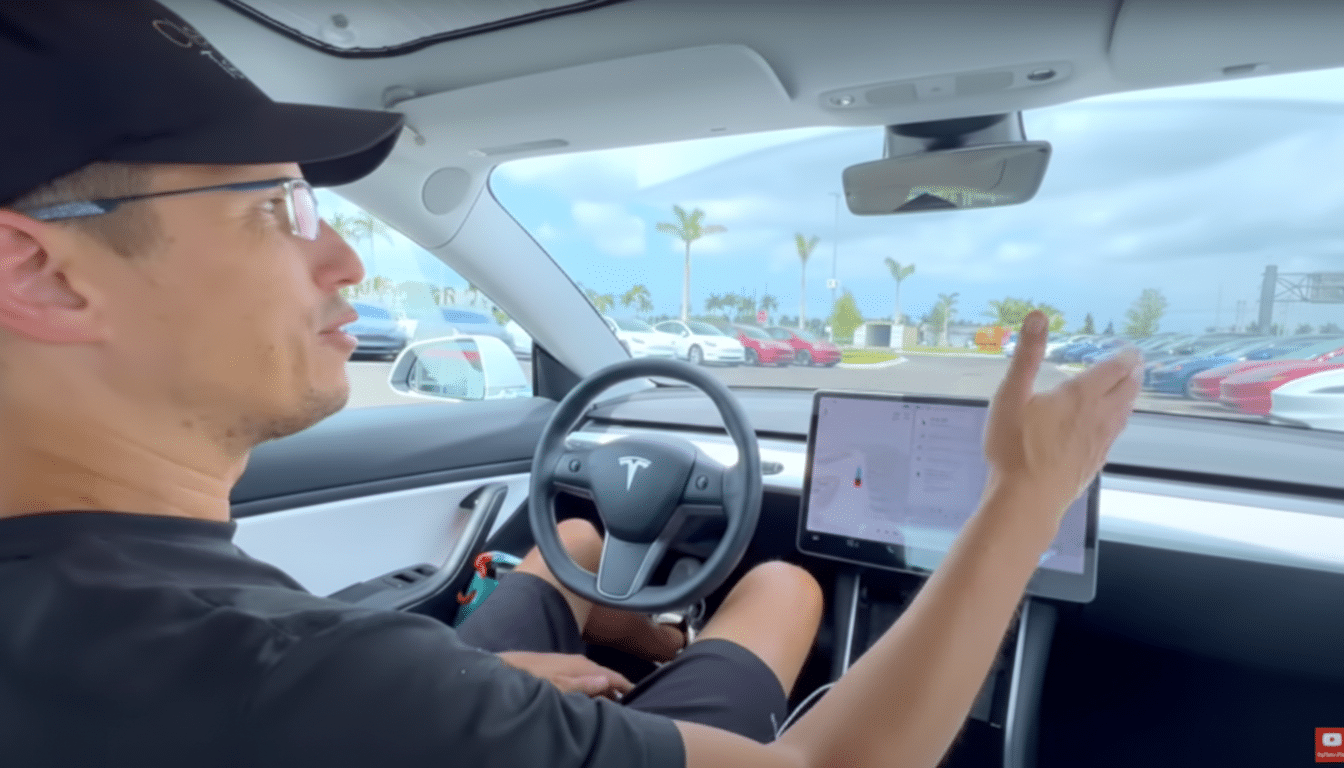
Tesla first rebranded Full Self-Driving to Full Self-Driving (Supervised), language that explicitly puts the driver on the hook. The automaker then went further by eliminating the Autopilot branding in California marketing and withdrawing the Autopilot feature entirely in North America. With those changes, the DMV said it would not enforce the suspension, effectively closing a case that has shadowed Tesla for years.
Regulatory Backdrop and the Broader Safety Context
Regulators have pushed the entire industry to be more precise about driver-assistance features. The National Highway Traffic Safety Administration’s standing order on crash reporting has consistently shown Tesla vehicles involved in the largest share of reported Level 2 driver-assist incidents, starting with the initial dataset in which Tesla accounted for the majority of the cases reported by automakers. NHTSA also required a safety recall affecting roughly 2 million Tesla vehicles to strengthen driver engagement and alerting for Autosteer.
California has taken a particularly hard line on advertising. State rules prohibit suggesting a vehicle is autonomous when it is not, and they place responsibility on manufacturers and dealers to accurately describe what advanced driver-assistance systems can and cannot do. Other carmakers have adopted cautious labels—GM’s Super Cruise and Ford’s BlueCruise, for example—that emphasize capability while avoiding terms that imply self-driving. Tesla’s shift to “FSD Supervised” and its removal of Autopilot language bring it closer to that industry norm.
Business Stakes in Tesla’s Most Important U.S. Market
California is a cornerstone of Tesla’s U.S. business, both for sales and manufacturing. The Fremont factory, Tesla’s highest-volume plant in the country, is rated to produce more than 600,000 vehicles a year based on the company’s recent capacity disclosures. A month-long license suspension would have risked disrupting output, dealer deliveries, and service operations at a scale no other market could match.
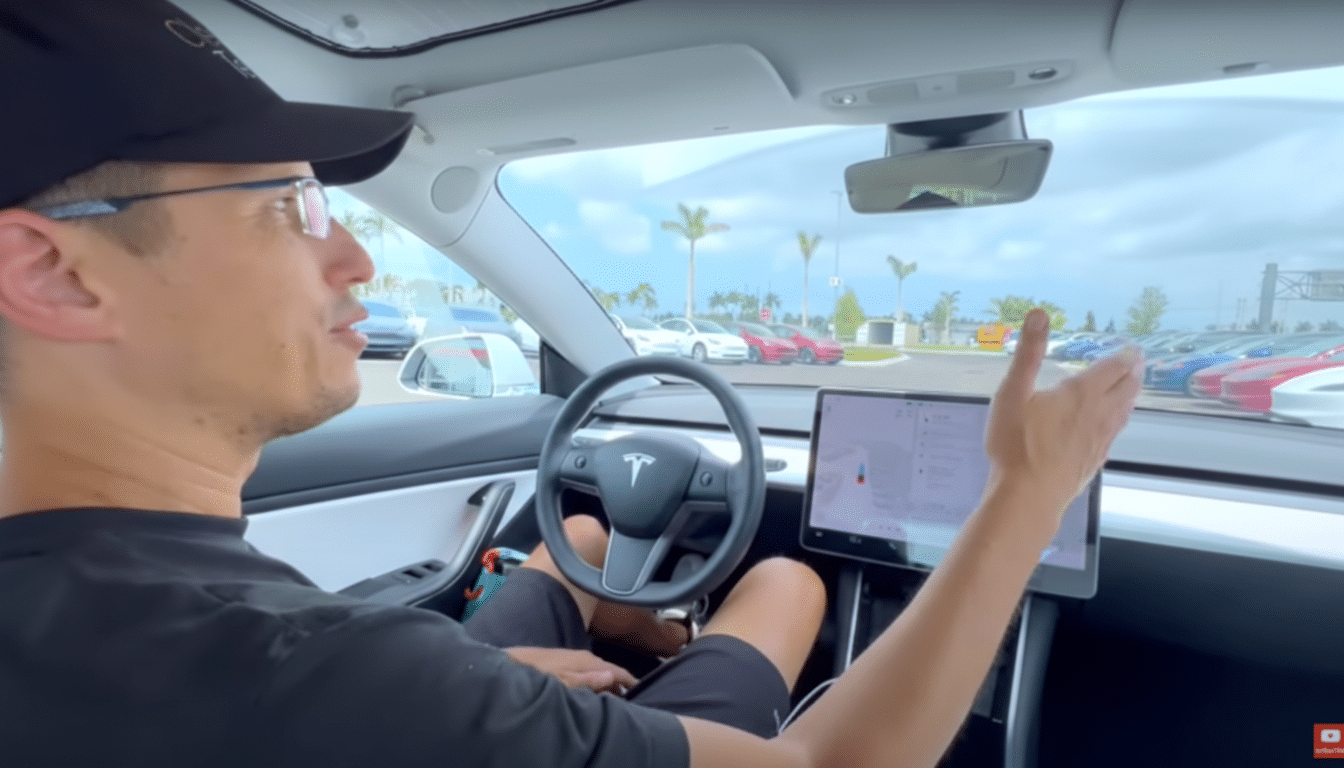
On the retail side, California consistently leads the nation in electric vehicle adoption, and the California New Car Dealers Association has repeatedly listed the Tesla Model Y as the state’s best-selling vehicle. Preserving continuity here matters not just for quarterly deliveries, but for brand momentum in the most competitive EV arena in the U.S.
From Autopilot to FSD Supervised: How the Offer Shifted
Tesla’s decision to discontinue Autopilot while leaning into FSD Supervised also reshapes its product ladder. The company recently converted FSD Supervised from a large upfront purchase to a $99 monthly subscription. Tesla has signaled that pricing could rise with added capability, a move that strategically nudges customers toward recurring revenue and gives the automaker flexibility to match perceived value to performance improvements over time.
Crucially, FSD Supervised is not self-driving. Tesla’s own guidance requires attentive drivers with hands on the wheel and eyes on the road, and the system’s behavior can vary based on conditions and software revisions delivered over the air. Framing those boundaries clearly is central to avoiding the kind of regulatory whiplash that just threatened Tesla’s California licenses.
What Owners Should Know Now About Tesla in California
California shoppers should expect Tesla’s marketing and showroom materials to emphasize driver supervision and drop Autopilot references altogether. Existing owners will continue receiving software updates, but features and labels may evolve as Tesla aligns with regulators and fine-tunes its driver-monitoring safeguards. The DMV’s action signals that compliance is being closely watched; if claims drift from reality, enforcement can return quickly.
The broader takeaway: words matter as much as code. With clearer naming and stronger driver-engagement checks, Tesla has dodged a costly pause in its most important U.S. market—and set a template for how naming, pricing, and policy can intersect as advanced driver-assistance systems mature.
