


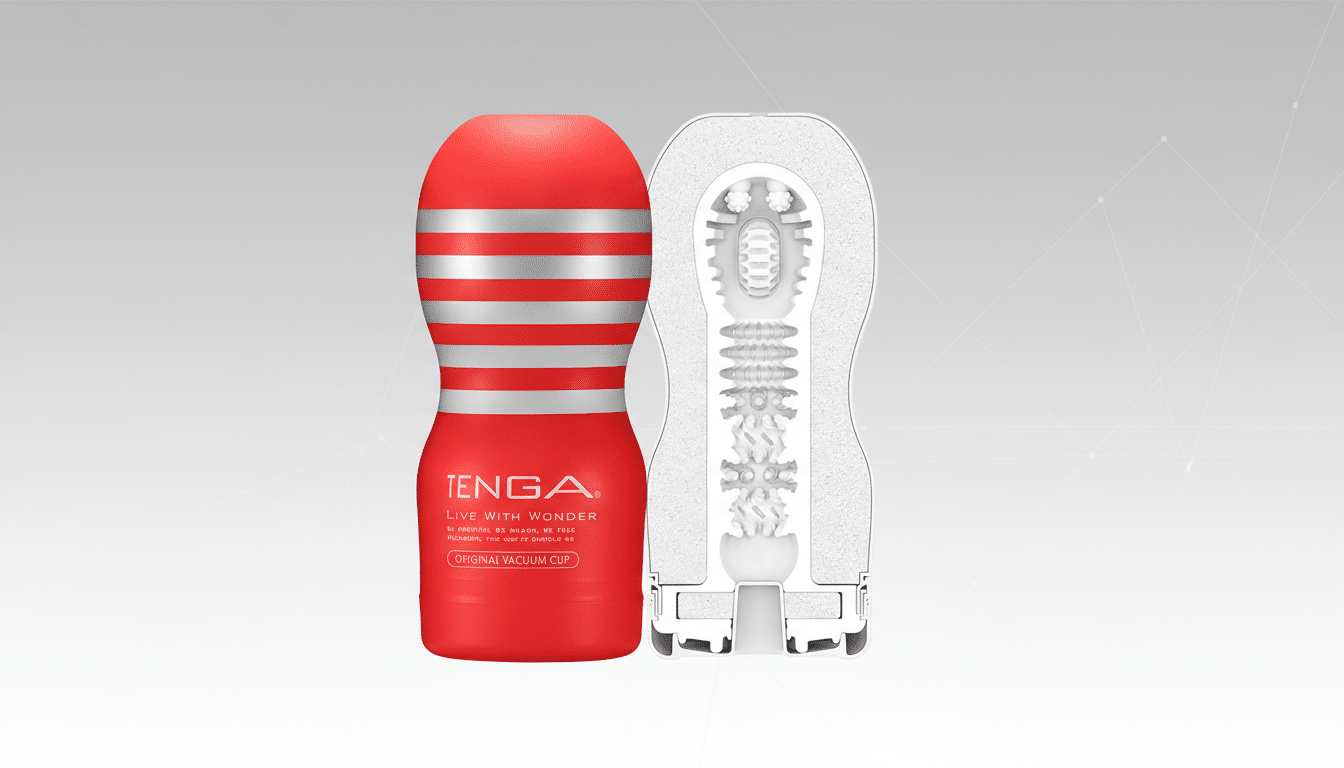
Japanese sexual wellness brand Tenga has disclosed that a hacker accessed a company email account and viewed customer information, a breach that underscores how a single compromised inbox can expose intimate details tied to online orders and support conversations.
What the Company Says Was Exposed in the Breach
In a notice to customers, Tenga said an unauthorized party gained access to the professional email account of one employee. That access potentially revealed customer names, email addresses, and historical email correspondence that may include order details or customer service inquiries. The attacker also sent spam emails to individuals in the employee’s contact list, including customers.
Tenga responded by resetting the affected account’s credentials and rolling out multi-factor authentication across its systems. The company advised customers to be cautious with unsolicited messages, especially those appearing to come from the compromised employee, and recommended changing passwords as a precaution. Tenga did not indicate that customer passwords were taken and did not say whether multi-factor authentication was active on the mailbox before the breach.
The scope of exposure beyond the United States remains unclear; the customer alert referenced Tenga Store USA. Tenga says on its website it has shipped more than 162 million products globally, a scale that elevates the risk and potential impact of this incident.
Why This Breach Matters for Privacy and Safety
Order histories and support emails in the sexual wellness sector can reveal highly personal preferences and behaviors. Even when no payment data is involved, the sensitivity of this information raises unique reputational and emotional harms if mishandled or misused. Privacy regulators in Japan under the Act on the Protection of Personal Information, and in Europe under the GDPR, emphasize strong safeguards for precisely this kind of personally identifiable and intimate data.
Security researchers consistently warn that inbox data can be more revealing than a basic customer database. Email threads often contain names, order numbers, shipping details, and context about issues customers reported. That makes a compromised mailbox a powerful source for targeted phishing, social engineering, or extortion attempts that exploit embarrassment or stigma.
How the Attack Likely Worked in a Common BEC Scheme
While Tenga has not described the initial entry point, the facts match a common playbook known as business email compromise. Attackers typically trick an employee into handing over credentials or approving a malicious login, then quietly search the inbox and contact lists. Verizon’s Data Breach Investigations Report has long found the human element in roughly 74% of breaches, and the FBI’s Internet Crime Complaint Center has reported multi-billion-dollar annual losses linked to business email compromise schemes.
Once inside, adversaries often set forwarding rules to capture future messages, impersonate the victim in ongoing threads, and harvest customer details for follow-on scams. Enforced multi-factor authentication, mailbox rule monitoring, and identity protections like conditional access are standard controls designed to blunt this exact threat.
Advice for Tenga Customers to Protect Their Accounts
- Be skeptical of any message requesting account verification, payment, or personal details, even if it appears to reference a real order.
- Contact Tenga through official channels rather than replying to unexpected emails.
- Do not open attachments or click links in suspicious messages.
- Change your Tenga account password if you reused it elsewhere and enable multi-factor authentication wherever possible.
- Review your inbox for unusual forwarding rules or recent password reset notices you did not initiate.
- Consider using email aliases or masked addresses for sensitive purchases to reduce the blast radius of future incidents.
A Broader Pattern in Adult Tech and Privacy Risks
Tenga joins a growing list of adult industry companies that have faced security incidents in recent years, including device makers and content platforms. The sector’s combination of high-volume e-commerce and deeply personal data creates an outsized privacy risk when communications or logs are exposed.
Past cases have shown that customers value anonymity and data minimization above all. Privacy advocates and security standards bodies urge companies to retain the bare minimum of identifiable information, segregate sensitive records from email, and practice rapid credential lockdown and user notification when an account is compromised. IBM’s Cost of a Data Breach research has also noted that organizations with mature incident response, multi-factor authentication, and strong access governance tend to reduce both breach scope and cost.
What Comes Next for Tenga and Affected Customers
Key questions remain for Tenga: the number of affected customers, geographic scope, and whether any additional systems were touched. Customers should watch for further updates from the company and, in the meantime, treat any unexpected message referencing Tenga orders as suspicious until verified. For brands handling intimate data, this episode is a reminder that securing email is not a nice-to-have—it is a frontline defense against the most common and consequential intrusions.
