


Japanese sexual wellness brand Tenga has disclosed that a hacker accessed a company email account and viewed data tied to customers, including names, email addresses, and past email exchanges that could reference orders and support requests. The attacker also used the compromised mailbox to send spam to contacts, heightening the risk of follow-on phishing.
The company has not said how many people are affected or whether exposure extends beyond the United States, where the alert originated from its Tenga Store USA operation. Tenga’s website notes it has shipped more than 162 million products globally, underscoring the potential scale if customer reach is broad.
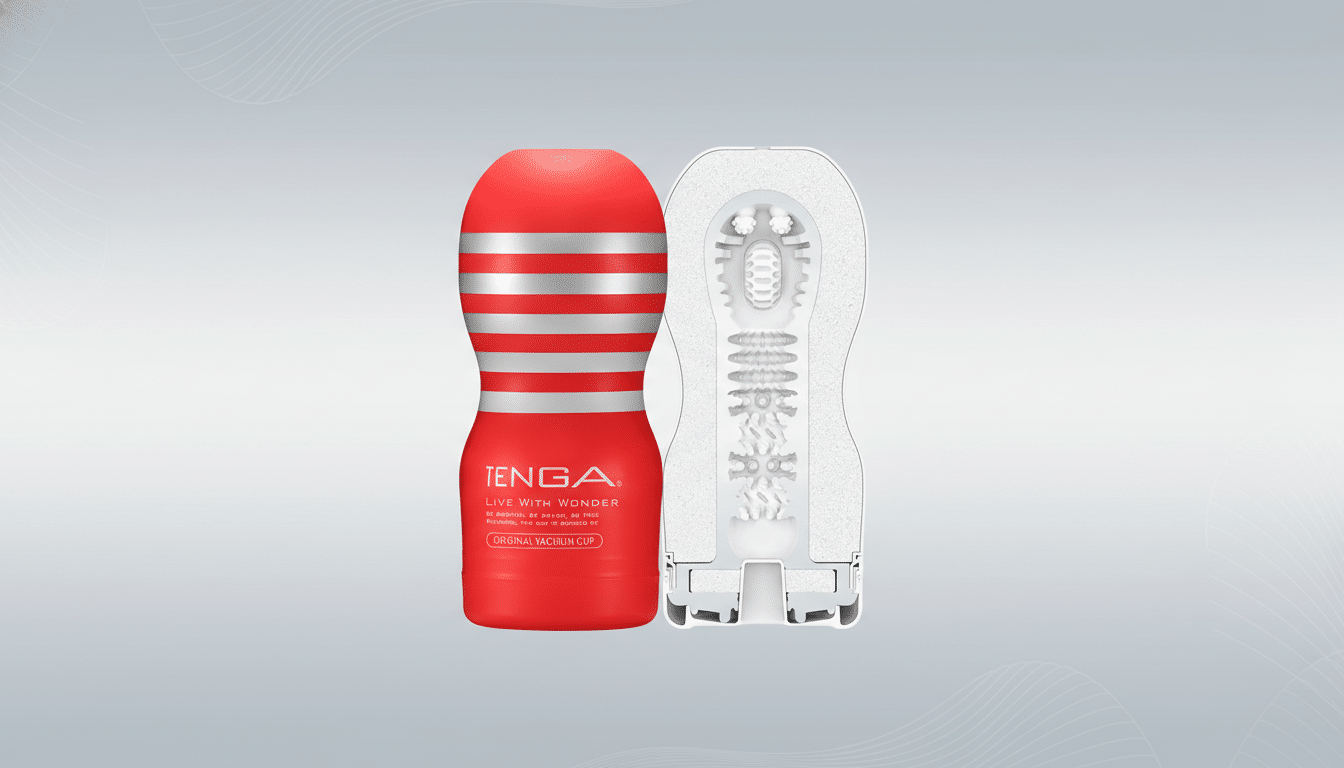
What Was Accessed And Why It Matters For Buyers
According to Tenga’s customer notice, an attacker obtained access to a single employee’s professional mailbox, which typically contains years of correspondence. Even if payment data is not stored in email, message threads often include order confirmations, shipping details, product names, and sensitive questions customers share with support—information many buyers would prefer to keep private given the nature of the products.
This type of exposure is particularly sensitive because it can identify individuals alongside intimate purchasing behavior. Privacy regulators, including Japan’s Personal Information Protection Commission and U.S. state attorneys general, view such linkages as elevating harm, especially where stigma, harassment, or workplace repercussions are plausible.
Company Response And Security Measures After Breach
Tenga says it reset the compromised credentials and enabled multi-factor authentication across systems after detecting the intrusion. It also warned customers to be cautious with emails referencing orders or account issues, and advised changing passwords—particularly if the same password is reused elsewhere—even though the company has not indicated that its own password database was accessed.
Compromised email accounts remain one of the most common footholds for attackers. The latest Verizon Data Breach Investigations Report finds the human element—phishing, credential misuse, and social engineering—figures in a large share of breaches. Multi-factor authentication and email authentication controls such as DMARC, SPF, and DKIM reduce the odds of account takeover and spoofed messages but must be configured consistently organization-wide.
Who May Be Affected And Where Notifications Apply
The notification came from Tenga’s U.S. storefront, suggesting American customers were contacted first. It remains unclear whether the mailbox contained correspondence with buyers in other countries. If non-U.S. residents are affected, Tenga could face parallel disclosure obligations under Japan’s Act on the Protection of Personal Information and, where applicable, the EU’s GDPR, which mandate prompt notifications when there is a risk to individuals’ rights and freedoms.
Within the United States, state breach laws generally require disclosure when names are exposed alongside other identifying or account information. Consumer privacy statutes such as California’s CCPA/CPRA also expect reasonable security safeguards and offer residents the right to inquire about data handling and request deletion, subject to retention requirements.
The Stakes For Adult Product Brands After Breach
Adult product companies operate with an elevated privacy bar because their customer data can reveal highly personal preferences. Past industry incidents have shown how even metadata—account email, product category, shipping patterns—can become sensitive in context. In 2017, a connected device maker paid a multimillion-dollar settlement in a case alleging excessive collection and inadequate safeguards, a reminder that trust is a core competitive asset in this segment.
Beyond reputational harm, the financial drag from breaches is significant. IBM’s Cost of a Data Breach Report places the global average incident cost in the multimillion-dollar range, with expenses driven by investigation, notification, legal exposure, customer support, and lost sales. Email account takeovers can also seed longer-tailed risks if stolen correspondence fuels targeted scams or extortion attempts.
What Customers Should Do Now To Reduce Risk
Be skeptical of unexpected messages referencing Tenga orders or account issues, especially those asking you to re-enter credentials, download files, or update payment details. Navigate directly to the official storefront or app rather than clicking links in emails. If you reused your email password on other sites, change it everywhere and enable multi-factor authentication where available.
Consider requesting a copy of the data Tenga holds about you and, where permitted, asking for deletion of unnecessary historical correspondence that may contain sensitive details. Monitor inbox rules and forwarding settings in your own email account to ensure attackers have not set silent redirects. If you believe financial information was exposed through past email threads, watch statements closely and consider alerts from your bank or card issuer.
Tenga has not yet disclosed the total number of impacted individuals or the precise timeline of access. Additional details—such as the duration of mailbox exposure and whether any downloads were confirmed—will be critical to fully assess risk. Until then, standard phishing hygiene and strong authentication are the best defenses against knock-on fraud.
