


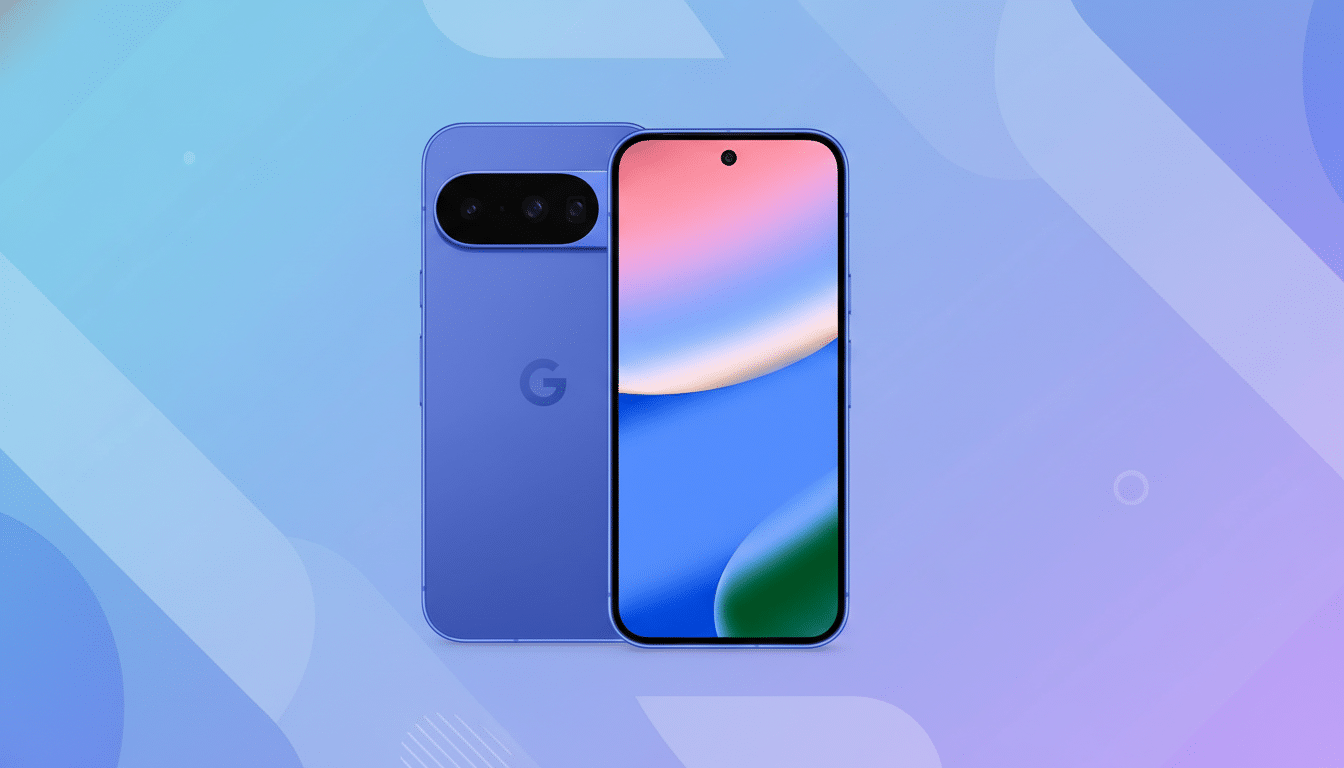
T-Mobile is quietly testing a powerful retention lever: an “On Us” Google Pixel 10 for select existing customers flagged as likely to switch. Multiple user reports and independent verification by industry trackers indicate the carrier is offering up to $800 in bill credits with an any-condition trade-in, effectively making the base Pixel 10 free when financed on an eligible plan.
How T-Mobile’s targeted Pixel 10 “On Us” offer works
Customers who qualify are seeing a promo card inside the T Life app advertising a Pixel 10 “On Us” with any-condition trade-in. The discount, listed at roughly $799.99, is applied via 24 monthly bill credits on a financed device and a qualifying service plan. In practice, those credits cover the base model’s price and can substantially reduce the cost of higher-tier Pixel 10 variants.
As with most carrier bill-credit deals, taxes on the pre-credit amount are due upfront, and a standard device connection fee applies. If you cancel service, pay off the phone early, or switch to an ineligible plan before the 24 credits post, the remaining credits typically forfeit. That fine print is standard across U.S. carrier promotions.
The unusual hook is the trade-in policy. According to the terms shown to eligible users, any-condition devices qualify — cracked screens, ancient backups, and battered budget phones included. That flexibility dramatically lowers the barrier to entry compared to traditional trade-ins that demand recent, fully functional hardware.
Who seems to qualify for T-Mobile’s Pixel 10 retention deal
The offer is not broadly advertised on T-Mobile’s site. Instead, it appears to be targeted through account analytics to customers exhibiting signs of churn — for example, shopping competitor deals or making plan changes associated with leaving. Users on Reddit report seeing the discount appear at checkout even when the app card is not prominently displayed, adding to the mystery around precise eligibility.
The Mobile Report has corroborated the existence of the promotion, but T-Mobile has not publicly detailed criteria or a firm end date. If you’re curious, checking the T Life app and adding a Pixel 10 to your cart may reveal whether your line has been tagged for the credits.
Why T-Mobile is playing defense with a free Pixel 10 offer
Carriers have long found that retention incentives often beat acquisition spend on pure economics. Industry analysts at firms like MoffettNathanson and New Street Research have repeatedly noted that keeping a postpaid phone line typically costs less than winning a new one, particularly when factoring in device subsidies and promotions to lure switchers.
Company filings show T-Mobile’s postpaid phone churn has hovered below 1% in recent periods — already best-in-class — but even small shifts matter at national scale. A targeted “free” flagship is a precise instrument: it rewards only those most likely to walk, reduces headline promo costs, and locks in a customer for two years via bill credits.
This approach also fits a broader pattern of loyalty-focused offers that surface for specific accounts without a formal announcement. In effect, T-Mobile is using first-party data to triage its most at-risk subscribers with outsized value.
What this targeted deal means for Google Pixel 10 momentum
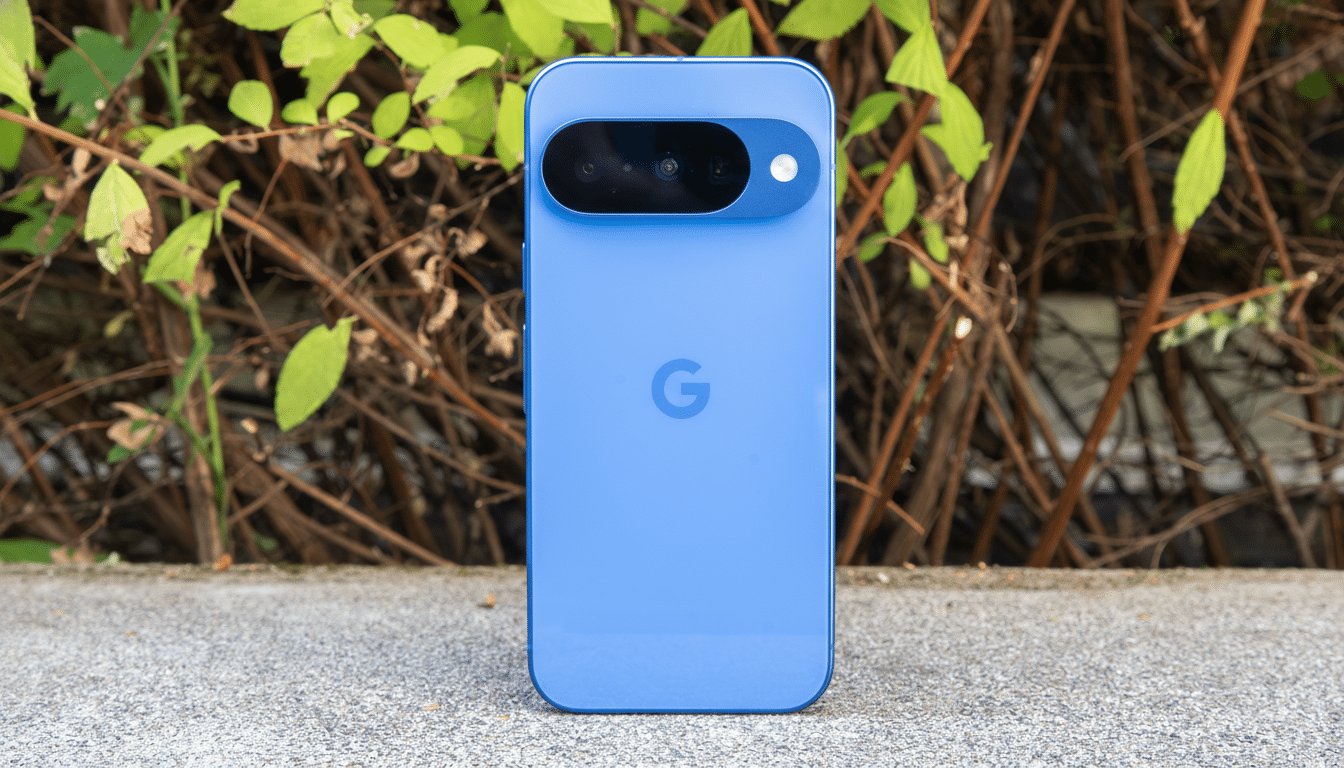
For Google, carrier-backed offers are a critical distribution lever. Counterpoint Research has estimated Pixel’s U.S. smartphone share in the mid-single digits, with gains closely tracking major promotions. Placing a base-tier Pixel 10 at an effective $0 price point on a top-three carrier meaningfully widens the funnel for first-time Pixel buyers and accelerates upgrades for existing owners sitting on aging hardware.
Even if higher-end Pixel 10 variants aren’t fully covered, a deep discount can tilt purchasing decisions toward Google’s ecosystem, seeding future sales of services and accessories. Expect marketing to emphasize on-device AI features and camera performance — historically Pixel’s strongest conversion drivers — as the hook that justifies a long-term commitment.
Fine print details and practical tips before you check out
If the offer surfaces on your line, confirm the essentials before checkout:
- Total bill-credit amount and duration
- Eligible rate plans
- Taxes due
- The device connection fee
- When credits start posting
Keep records of:
- The trade-in IMEI
- Condition notes
- Shipping proof
Any-condition trade-ins are generous, but carriers still reject devices that are counterfeit, reported lost, or locked in ways that violate terms.
Be aware that credits usually stop if the line is canceled or moved to an ineligible plan, and that early payoff of the installment plan can trigger a loss of remaining credits. If you don’t see the deal, frontline reps typically can’t override algorithmic targeting, but some customers report the discount appearing late in the checkout flow — it’s worth a look before you assume you’re not eligible.
Bottom line: this is one of the richest retention offers circulating right now. For the right account, T-Mobile is essentially turning a potential cancellation into a two-year Pixel 10 commitment — and doing it in a way that benefits both the carrier’s churn math and Google’s device momentum.
