


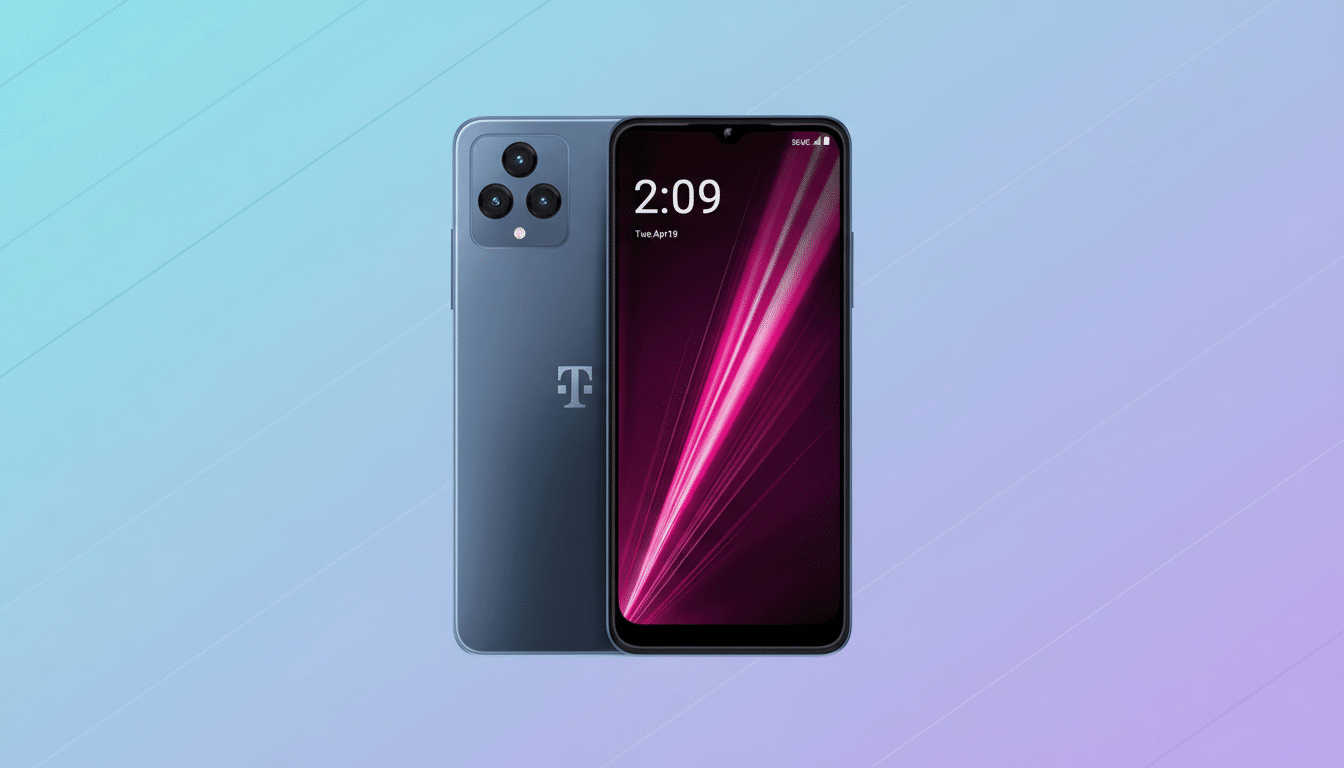
T-Mobile seized a moment of advantage as Verizon grappled with a widespread service disruption, posting a brisk status update that both reassured its own subscribers and took a clear swipe at its rival. The message, shared on X, emphasized that T-Mobile’s network was functioning as expected, while warning that calls and texts to Verizon lines might fail because of Verizon’s issues. The tone bordered on triumphant, but the substance mattered for confused customers who saw problems reaching friends and colleagues on Verizon and wondered if their own carrier was also down.
What T-Mobile Said and Why It Matters to Users
In its post, T-Mobile told customers its systems were working normally and attributed connectivity problems to Verizon’s outage. That clarification is more than PR. When a major carrier experiences a disruption, the ripple effect can look like a multi-operator failure, especially for users who are only trying to reach people on the affected network. T-Mobile’s framing aimed to stem confusion, limit unnecessary support calls, and reinforce a simple message during a noisy incident: the problem isn’t on our side.
Why Other Carriers Showed Spikes During Verizon’s Outage
Outage-tracking sites such as Downdetector often show parallel spikes across multiple providers when one network is down. That doesn’t necessarily mean those other networks have failures. It frequently reflects users reporting trouble when attempting to connect across networks—voice calls, SMS, or group texts that include an affected subscriber. In short, the visible symptoms can be cross-carrier, even when the root cause is not.
We’ve seen this pattern in prior internet-scale incidents, where a single platform’s downtime inflates error reports across unrelated services. The same logic applies in mobile: customers tend to report what they experience, not what a core routing node or interconnect actually did.
The Technical Backdrop: Intercarrier Handoffs
Modern mobile calling and messaging ride on a mix of VoLTE or 5G voice, SIP and legacy SS7 signaling, plus interconnection points where traffic moves between carriers. If Verizon’s call processing or messaging gateways are impaired, communications headed to Verizon numbers can fail at the handoff, even when the originating network is healthy. With 3G networks shuttered, there’s less room for fallback, making interconnect stability even more critical.
That also explains why some app-based messaging works during carrier outages while SMS does not. Chats that route over the internet—via services like WhatsApp, Signal, or iMessage in data mode—can continue over Wi-Fi or cellular data, bypassing the broken voice/SMS path entirely.

Competitive Stakes In A Reliability Crisis
Public barbs during outages are nothing new in wireless, but they land because reliability drives customer loyalty. J.D. Power’s wireless studies consistently show network quality as a top driver of satisfaction and churn. Performance trackers such as Ookla have regularly credited T-Mobile with leading median 5G speeds in the U.S., while RootMetrics has often highlighted Verizon’s strength in reliability across many markets. When a high-profile outage hits, those reputational pillars are stress-tested in real time.
The social media reaction to T-Mobile’s post—ranging from jokes to genuine “should I switch?” musings—illustrates how quickly sentiment can swing. Carriers know this, which is why swift, clear communication can be as important as the network fix itself.
Lessons From Past Outages That Shaped Responses
History offers a cautionary note. In 2020, T-Mobile suffered a major voice and text outage traced to signaling issues, later drawing an FCC settlement for its impact on 911 availability. The episode underscored how complex dependencies—between transport, signaling, and emergency services—can magnify a fault. The FCC’s Public Safety and Homeland Security Bureau typically requires carriers to file outage reports, and large incidents often receive extra scrutiny.
That context is critical: today’s outage headlines might be about Verizon, but every operator operates inside the same web of interconnects and obligations. How they communicate during a crisis signals as much about their culture as their infrastructure.
What Customers Can Do Right Now to Stay Connected
- If you can’t reach a Verizon number, try Wi‑Fi calling, an over‑the‑top messaging app, or email.
- Group texts may stall if any participant is on the affected network, so consider moving conversations to an internet‑based chat temporarily.
- Rebooting phones and swapping SIMs rarely helps during a carrier‑level incident; monitoring your carrier’s official status channels is more useful.
- For critical calls, try alternate contact paths or a landline if available.
The bottom line: T-Mobile’s jab doubled as a service advisory, and for many customers, that granularity matters. Network outages are messy; clarity about what’s broken—and what isn’t—helps keep people connected, even when the scoreboard invites a little showmanship.
