


An in-store workaround that allowed customers to skirt T-Mobile’s T-Life app with cash is no longer available for widespread use. T-Life employees grumble about a back-end update that now leads all cash transactions through the same T-Life checkout flow serving both card and digital payments, effectively making the app the default point-of-sale hub for in-store sales.
The change came after retail workers and customers started talking about the cash move on social media, then reports within the industry by PhoneArena, with corroboration from a T-Mobile employee. Several posts from store employees confirm the change is already live, as registers are prompting reps to use T-Life even when real currency changes hands.
![description in this exact format: Alt Text: [description here]](https://www.findarticles.com/wp-content/uploads/2025/12/t-mobile_t-life_app_edited_1765811563.png)
On older point-of-sale systems, cash could be manipulated, meaning some purchases bypassed the app altogether. That gap has now been closed, pulling all payment types into the same app-first flow and eliminating a route some employees had quietly been pointing to for customers unwilling or unable to download T-Life.
What changed in stores as cash moves into T-Life checkout
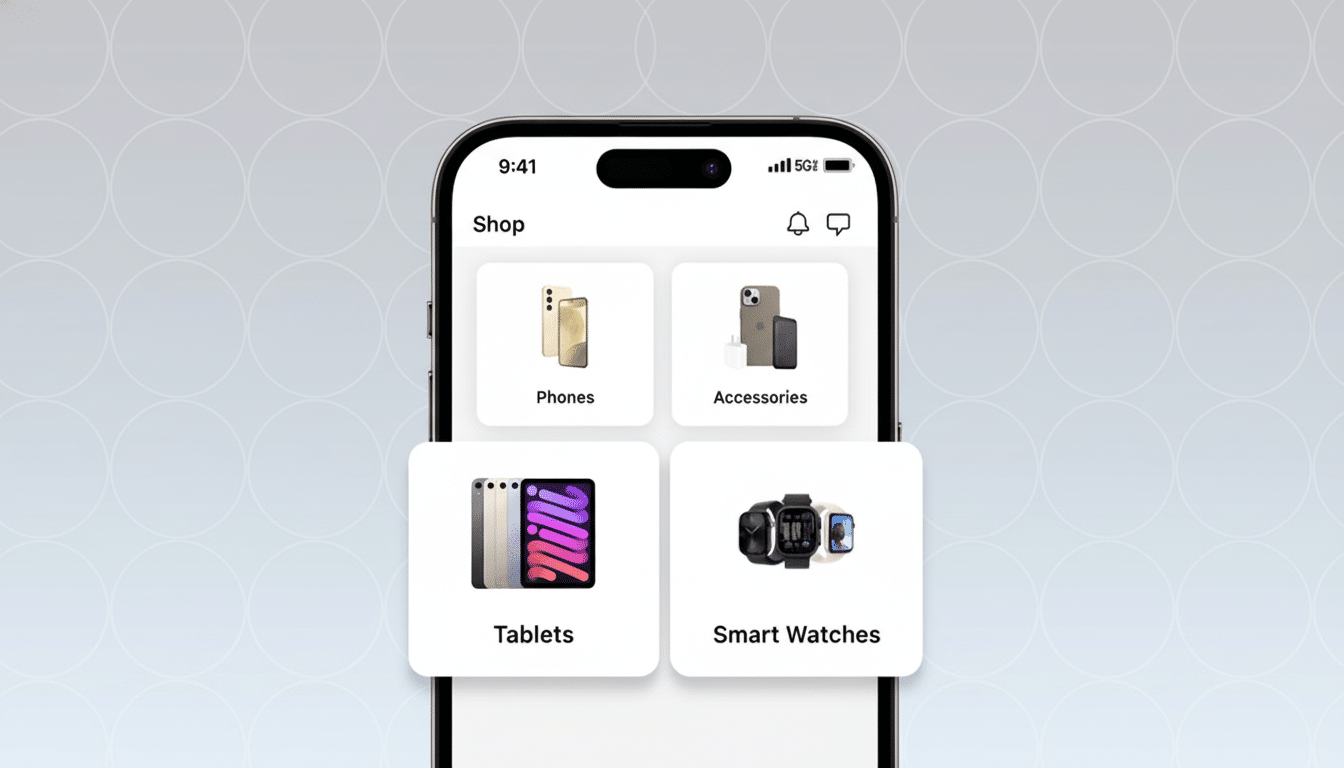
In practice, reps start an in-store checkout which prompts the customer to authenticate or approve within T-Life on their phone. Because the app supports cash now, the clerk reconciles the tender in-store (with a customer-facing step wandering off to visit FreeParking) but all steps on the customer side still exist within/ping back to Wallet. For that consistency, trade-ins, line changes, device purchases and add-ons all adhere to one flow no matter how the bill is paid.
Store workers say the legacy systems, which many favored for their speed and familiarity, no longer cut it policy-wise for most retail transactions. The idea is straightforward: you want to finalize a purchase or change of account in store, T-Life plays a role.
Why T-Mobile is centralizing checkout across retail stores
Centralizing transactions in T-Life provides the carrier with cleaner data, a single audit trail and greater controls over identity verification and fraud. It also centralizes how promotions, device financing and trade-in credits are applied, which cuts down on errors with those processes spread across different systems.
From a commercial perspective, app-first checkouts simplify the steps to show personalized offers, calculate attachment rates and surface support resources after checkout. App adoption has been something telecom operators have prodded for years since it raises self-service rates and reduces support costs; recent J.D. Power data finds that strong experiences using apps is correlated with high customer satisfaction scores across the wireless industry.
It’s a bet that most customers can adjust. According to Pew Research, about 90% of U.S. adults have a smartphone, and carriers are building the retail experience with that in mind. But high adoption does not mean universal comfort with app-based identity checks or in-store approvals.
Impact on customers and accessibility considerations
This is going to annoy couch-surfers, customers without apps installed or those showing up with a dead or forgotten phone. Privacy-sensitive purchasers might also be uncomfortable with opening an app during a face-to-face sale, particularly if they are leery of permission or marketing requests that may come after.
Word among employees is that many frontline reps were already instructing customers to go for cash as the easiest option. Caldbeck most likely wasn’t the only person who figured that if T-Life was provided, participants would just use a store’s own tablet to complete it rather than on their phone. With that route closed, stores will need explicit accommodations — something like “assisted mode” on a store’s best shop floor tablet — to accommodate customers who can’t or won’t run T-Life on their device of choice.
Consumer advocates also have raised questions about “forced app” mandates at retail locations. Accepting cash at the register, though still in compliance with local cash acceptance rules where applicable, can also add friction for some groups (such as older individuals and those who manage accounts for family members) that may need to complete the sale by paying through a proprietary app.
Alternate options if you do not want to use the app
If you don’t want to download T-Life, request an assisted checkout on a store device or from manager override. Some stores can authenticate accounts via text to a backup number on the plan or by checking ID and the account PIN; individual locations have different policies, so be prepared to escalate nicely.
For purchases you don’t need the same day, compile an order using customer care or the web portal, and choose ship-to-home upon checkout. If you do need to use the app to complete a transaction, just be sure to restrict its permissions, turn off notifications and uninstall it after — your account access will still work through the carrier’s site.
The bigger picture for carriers: app-driven retailing
Wireless providers are moving to app-driven retailing, with the phone in your pocket as the anchor for service and identity. Rivals already have moved more authentication — as well as plan changes and upgrade approvals — into their own apps, and store systems are gradually being rebuilt around that model.
For T-Mobile, bringing cash in line with the T-Life flow is less about the instrument itself than about completing that last mile of standardization. Love it or hate it, the app is now the front door for in-store transactions — cash included.
