


When my Pixel was snatched, I did what everyone does first: I opened Google’s Find My Device and tried to track it. Within minutes, I ran into a flaw that thieves know all too well. A locked Pixel can be powered off without a PIN or password. With one long press of the power button, the trail goes cold, and the network that might have helped me recover the phone goes silent.
The Power Off Problem Undercuts Tracking
Being able to shut down a phone from the lock screen sounds harmless until you lose one to a pickpocket. The moment a thief powers it down, location updates stop, Bluetooth beacons go quiet, and cellular pings vanish. The result is a race the owner can’t win: software protections protect data, but recovery odds plummet.
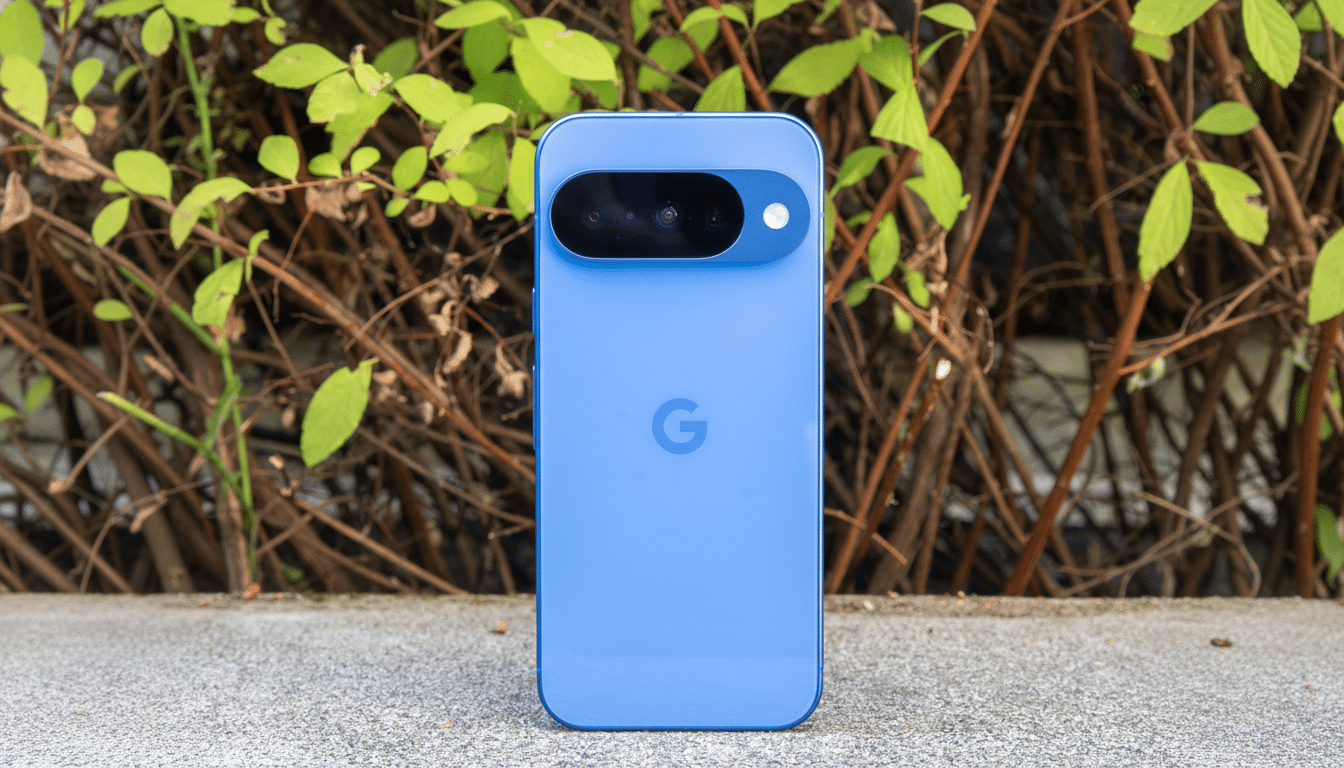
This isn’t just a Google quirk; several Android brands allow shutdown without authentication. But many rivals now ship a toggle that blocks power-off from the lock screen. That small friction point can be the difference between seeing one more location ping and seeing nothing at all.
What Google Offers Today and Its Limits Now
To its credit, Google has bolstered anti-theft features. The updated Find My Device network can crowdsource location from nearby Android devices, and the company has rolled out protections like Theft Detection Lock to safeguard data if someone snatches your phone in motion. Newer Pixels, such as the Pixel 8, Pixel 8 Pro, and Pixel 8a, can even be located while powered off by broadcasting a secure Bluetooth signal using special hardware.
But there’s a catch. The Pixel 7 series doesn’t support powered-off tracking, leaving a gap for millions of owners. And even on supported models, reliability varies based on proximity to other Android devices and environmental conditions—something power users and testers have flagged in community forums. In other words, it’s a helpful layer, not a guarantee.
Compounding the issue, Google still doesn’t offer a native “require PIN to power off” control on Pixels. That omission means the fastest, most reliable action a thief can take—turning the phone off—remains the easiest one.
Competitors Require Authentication To Power Off
Several Android makers already ship the countermeasure Google lacks. Nothing labels it Power Off Verify. OnePlus and realme include Require password to power off. vivo uses Unlock to Power Off. Samsung folds it into a Lock network and security option under Secure Lock Settings. With these toggles enabled, a locked device won’t shut down without a successful PIN, password, or biometric.

There are nuances. On some brands, if the phone is already unlocked, you can still shut it down without reauthenticating. And anyone can trigger a force restart by holding the power and volume buttons for around 10 seconds—useful for a frozen phone, but it reboots rather than leaving the device fully powered off. Even with those caveats, adding friction to shutdown is materially better than the status quo.
Why a PIN-to-power-off toggle matters on Android
Security works best in layers. NIST and other security bodies have long emphasized defense in depth: if one control fails, another should still stand. A lock-screen requirement for power-off is a simple layer that buys precious minutes. Not every thief carries a Faraday pouch or remembers airplane mode in a panic; many simply hammer the power button. When a phone can’t be silenced immediately, owners get more chances to track it, and police can request fresher location data.
This isn’t hypothetical. Law enforcement agencies on both sides of the Atlantic have warned about rising street-level phone theft, often involving quick handoffs to disable connectivity. Industry groups like the GSMA and CTIA have pushed IMEI blacklisting and tools like Stolen Phone Checker to deter resale, but prevention and rapid location remain critical at the moment of theft. Small roadblocks can change behavior and outcomes.
What Google Should Do Next to Improve Security
Google doesn’t need to reinvent the wheel. A system-level toggle—off by default, opt-in for those who want it—would align Pixels with best practices already adopted by Samsung, OnePlus, vivo, and Nothing. Placing the control under Security and Privacy with a plain-English explanation would keep it discoverable without confusing casual users.
For broader impact, Google could formalize a standard in Android, giving device makers and enterprise admins a clean API to require strong authentication for shutdown while preserving force-restart for troubleshooting. Backporting the toggle to recent Pixel generations would immediately help owners of models like the Pixel 7, which lacks powered-off tracking.
Anti-theft is a cat-and-mouse game, and no single feature is a silver bullet. But right now, the mouse has a one-button head start. Adding a PIN-to-power-off option won’t stop every theft, yet it will raise the bar—exactly what good security is supposed to do.
