


Evidence inside a recent Android build suggests Spotify is preparing a bigger mini player for music videos, a change that mirrors how YouTube evolved its in-app viewing experience. If implemented, the tweak would address one of Spotify’s most obvious video pain points: the moment a user leaves the Now Playing screen and the video shrinks to a sliver at the bottom of the app.
Strings found in version 9.1.20.567 reference a setting indicating a larger video presence in the Now Playing bar while browsing. Although the feature couldn’t be enabled in testing and visuals remain unknown, its intent is clear—make videos actually watchable when navigating the app.
Why A Bigger Mini Player for Videos Matters
Music videos are no longer a novelty on Spotify, but they’re still officially in beta and carry UI trade-offs. Today, Premium users in select markets can switch between audio and video directly from Now Playing, yet the experience breaks down once you move elsewhere in the app. A larger mini player would keep artists’ visuals in view, preserving continuity and boosting engagement.
There’s precedent for this. YouTube shifted from a tiny strip to a sizable, resizable mini player years ago and paired it with picture-in-picture on supported devices. That change meaningfully improved watch time for sessions that include browsing, a lesson any platform pushing long-form music videos can apply.
How Spotify’s Music Video Beta Works Today Across The App
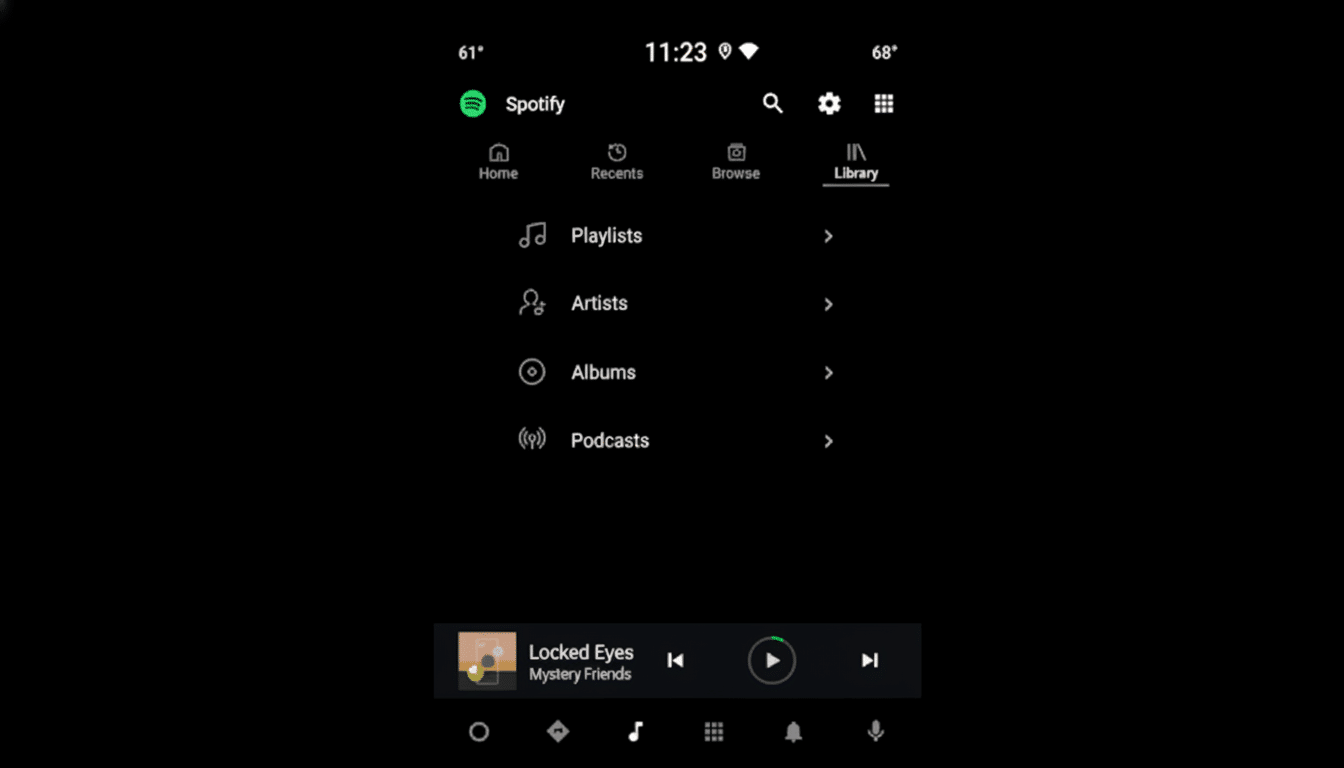
Spotify’s current approach is straightforward: tap to switch between audio and video for eligible tracks, then watch full screen on the Now Playing page. Navigate to search, charts, or an artist profile and the video collapses to the bottom bar—audio continues, but the visual becomes too small to follow.
The newly spotted setting label points to an upgraded mini player that remains anchored in the Now Playing bar while you browse. The wording implies a more prominent tile rather than a free-floating window, which could be easier to implement consistently across Android devices and less intrusive than an overlay.
What A YouTube-Inspired Approach Could Deliver
A bigger in-app video window would likely lift session duration and video completion rates, two metrics that matter to both Spotify and labels. It also reinforces music discovery: users can keep watching an official video while queueing tracks or exploring an artist’s catalog, reducing the friction that often leads listeners to open a separate video app.
On the technical side, expect smart aspect-ratio handling, persistent playback controls, and gestures that don’t accidentally kick users back to full screen. Battery and data usage will be a consideration; an intelligent default to lower resolution or adaptive bitrate for the mini player could balance quality with efficiency.
Competitive Context And Industry Signals
Video is increasingly central to music consumption. Industry studies, including annual reports from global trade groups, have consistently highlighted video platforms as a top channel for music engagement and discovery. YouTube’s longstanding dominance in music video viewing—and its improvements to in-app continuity—set the bar for usability.
Rivals already lean into video: Apple Music hosts curated video catalogs and supports picture-in-picture on iOS, while Tidal features high-quality video programming. Spotify has experimented around the edges with Canvas loops and short-form artist clips; a better mini player would knit those efforts together and make long-form videos feel native rather than bolted on.
What To Watch Next As Spotify Tests Larger Mini Player
As with any APK teardown clue, there’s no guarantee this ships, and Spotify often A/B tests design changes quietly. Still, the presence of a user-facing setting name suggests the company is preparing for public trials. If the rollout happens, it would be a small interface change with outsized impact on how fans experience music videos inside the app.
For artists and labels, a stickier in-app video experience could mean more sustained viewing, better storytelling around releases, and potential tie-ins with merch or live events. For listeners, it’s simply a more coherent way to watch while you browse—something YouTube proved years ago, and a cue Spotify seems ready to adopt.
