


Spotify is developing a feature that could finally erase the friction between listening and reading. Internal app code spotted by Android Authority points to Page Match, a tool that would let users scan a page of a physical book with their phone camera and instantly jump to the matching spot in the audiobook—then do the reverse to find the corresponding page while listening.
How Spotify’s Page Match Appears To Work In Practice
Based on references in the app, Page Match likely relies on optical character recognition to capture text from a printed page, then uses that “fingerprint” to locate the precise timestamp in the audio file. The reverse lookup—hearing a passage and finding the physical page—suggests Spotify is building a bidirectional index that maps spoken words to text segments, even when timing varies by narrator cadence or audio mastering.
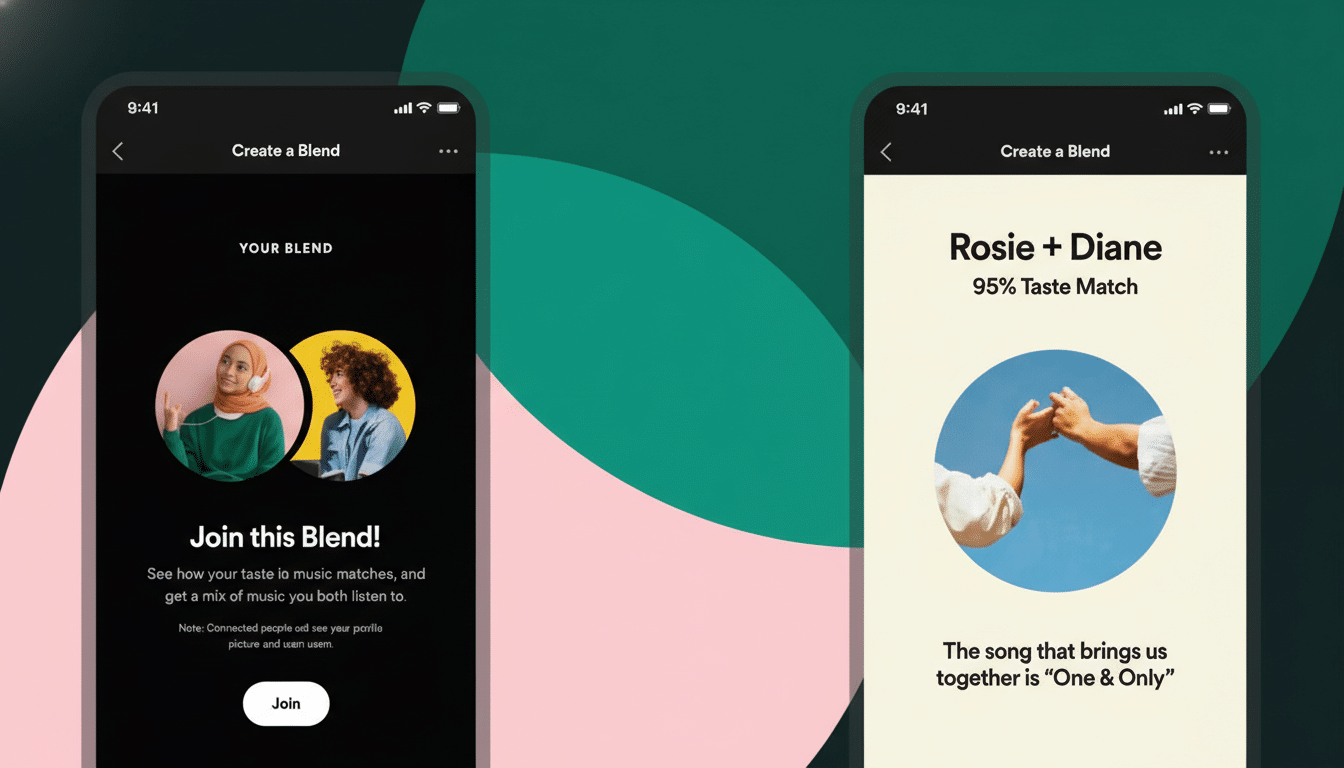
OCR is mature enough to handle most common fonts and layouts, and modern phones can process short text snippets quickly. The trickier parts will be handling different editions, abridged recordings, translations, and pagination mismatches. Expect Spotify to anchor matches to sentence- or paragraph-level text rather than absolute page numbers to improve accuracy.
Why This Matters For Readers Who Switch Formats
If it ships, Page Match would make truly hybrid reading practical. Commuters could listen on the way home and pick up the print book without hunting for a bookmark. Students and book clubs could move between formats without losing context. For language learners, “listen-while-you-read” becomes easier to set up, and for readers with attention or learning differences, it reduces the cognitive overhead of switching modes.
The timing would be savvy. The Audio Publishers Association has reported steady year-over-year growth in audiobook revenues for more than a decade, as catalogs expand and listening hours climb. Spotify, which has been layering audiobooks into its Premium bundle in multiple markets, needs differentiation beyond price and selection. A seamless physical-digital bridge would be a standout feature competitors can’t easily copy without rethinking their pipelines.
How It Compares To Existing Sync Options And Tools
Amazon’s Whispersync for Voice synchronizes ebooks and audiobooks, but it only works when you own both the Kindle and Audible versions of the same title. Google Play Books offers a similar dual-format sync for select titles. Page Match aims at something more flexible: aligning audio with any physical copy on your shelf, regardless of where the print book was purchased.
If Spotify can make this reliable with common trade paperbacks and hardcovers—not just pristine layouts—it would be a genuinely new capability in mainstream audiobook services. That novelty could translate into longer engagement sessions and higher completion rates, metrics that publishers and platforms both chase.
Technical And Licensing Hurdles Spotify Must Solve
Building a robust matcher will require careful handling of edge cases: marginal notes, typography quirks, illustrations, and chapter front matter can throw off naive OCR. Spotify may need to pair text matching with acoustic models that recognize phrasing to resolve near-duplicates, and cache matches for speed on subsequent scans.
On the rights side, syncing audio to third-party print books raises fewer red flags than copying text, but publishers will still want assurances that scanned snippets aren’t stored in ways that could leak content. Privacy guarantees, on-device processing where feasible, and clear disclosures will be essential to avoid skepticism from rights holders.
What To Watch Next As Spotify Tests Page Match
Spotify hasn’t announced Page Match publicly, and features discovered in code don’t always ship. Still, the presence of named strings suggests active development. Look for limited market tests, likely tied to English-language catalogs first, followed by broader rollouts as accuracy improves across editions and languages.
If executed well, Page Match could become the default way many people read and listen across formats, turning physical books into a first-class citizen of the streaming era. And for an industry where convenience often dictates habits, a single tap that reunites print and audio might be enough to change how millions finish their next chapter.
