


Spotify looks to be preparing a new music guessing game for its Android app, based on fresh evidence tucked into a recent build. The feature appears to revive the spirit of Heardle, the daily clip-guessing phenomenon Spotify acquired and later shuttered, but this time natively inside the streaming app.
What the app clues reveal about the new game
References to a music-guessing experience surfaced in version 9.1.22.645 of the Android app, with newly added text strings pointing directly to gameplay around identifying songs. While no visuals or playable screens have been unlocked yet, the wording strongly suggests a self-contained mode rather than a simple promotional banner or playlist gimmick.
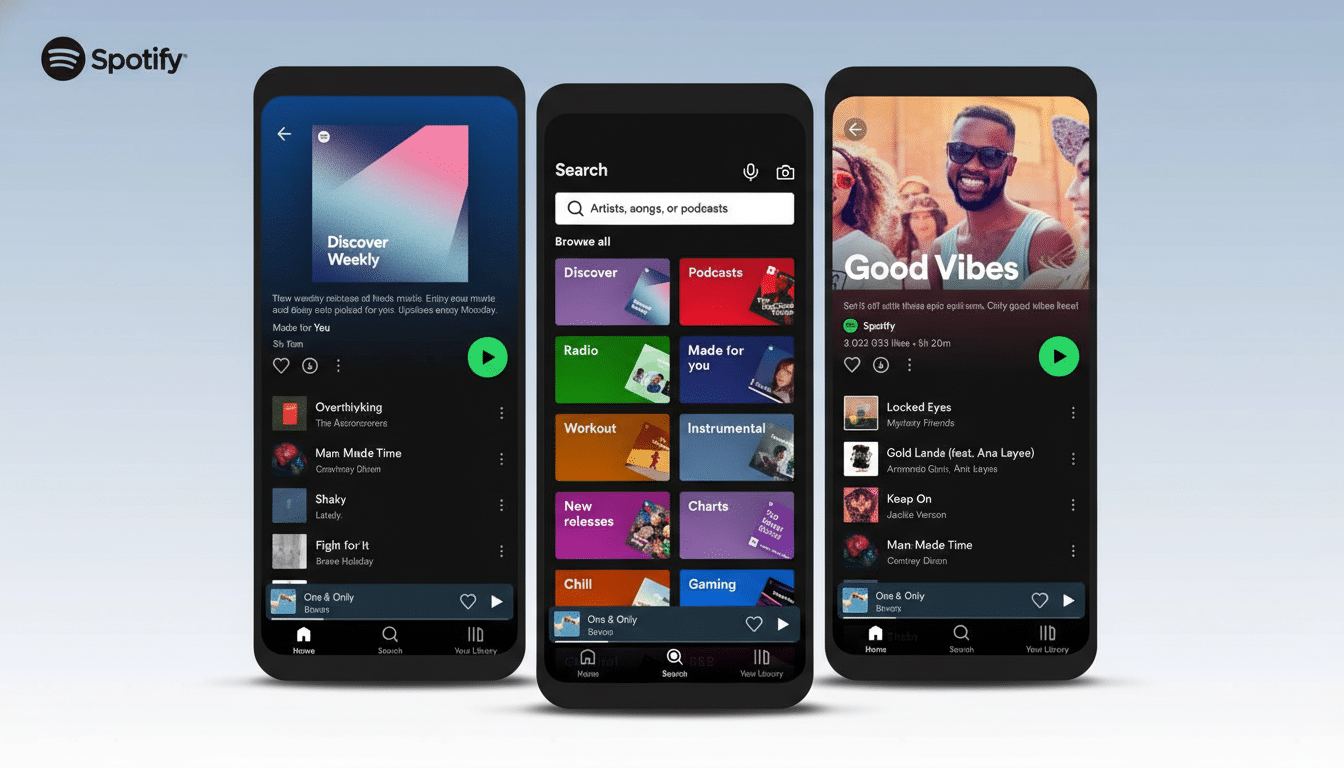
Teardowns like this don’t guarantee a public launch, but they often signal active prototyping. The absence of icons or animations could mean the feature is early, hidden behind server flags, or being prepared for limited testing.
Heardle’s legacy and what could return in Spotify
Spotify bought Heardle after the Wordle boom popularized daily streak games across the web. Heardle challenged players to identify a track from a short intro clip, gradually revealing more audio with each incorrect guess. It ran for about a year under Spotify’s ownership before being discontinued in 2023.
Bringing a similar mechanic into the mobile app would make strategic sense. It keeps discovery tethered to Spotify’s catalog and recommendation systems, potentially linking correct answers to full tracks, artist pages, or auto-generated playlists. Even a light, daily challenge could dovetail with features like Blend, Jam, Group Sessions, and Friend Activity to amplify social sharing.
How a guessing game could work inside the app
The text clues leave room for multiple directions, but a few possibilities stand out:
- Daily or timed challenges that encourage streaks and repeat visits.
- Genre or era-specific rounds using editorial playlists or personalized mixes as the answer pool.
- Social modes using existing friend graphs, letting users compete head-to-head or compare scores on leaderboards.
- Post-game discovery hooks such as saving the revealed songs, following artists, or launching a radio based on the day’s track.
For free users, a lightweight game offers an additional engagement surface supported by ads; for Premium subscribers, it could be an ad-free, high-fidelity experience that sharpens perceived value alongside features like enhanced playlists and downloads.
Why it matters for engagement and growth
Gamified discovery aligns with how people already talk about music—guessing intros, naming tracks from snippets, and flexing fandom. Interactive loops have historically driven habitual use in mobile apps; the daily-streak format in particular keeps users coming back. A well-tuned game could lift session length and retention while surfacing catalog depth beyond top hits.
Scale is the kicker. Company filings in 2023 highlighted over 600 million monthly active users and more than 230 million Premium subscribers. Even modest adoption across that base could translate into meaningful time spent and shareable moments, complementing viral touchpoints like Wrapped. In a competitive landscape where Apple Music leans on features like Sing and YouTube Music experiments with short-form discovery, a native game would give Spotify a fresh, social-first differentiator.
Questions around data, rights, and design
Implementing a clip-based game at Spotify’s scale raises practical challenges. The company would need robust logic to choose recognizable yet fair excerpts across genres and regions, handle explicit content standards, and ensure accessibility features like captions or haptic cues don’t compromise the guessing format. Snippet usage also has to align with licensing and territory restrictions, though Spotify’s platform position gives it an advantage over standalone web games.
On scoring, the company could use fuzzy matching to accept common misspellings and local titles, prevent cheating from now-playing data sources, and guard against spoiler sharing. If it leans into social mechanics, thoughtful consent and privacy controls around friend lists and public scores will be critical.
What we still don’t know about Spotify’s plans
There’s no confirmed launch timeline, regional test plan, or clarity on whether this is a direct Heardle revival or a fresh twist. We also don’t know if it will be locked to mobile or appear on desktop and TV apps. The current evidence amounts to promising breadcrumbs, not a finished product.
If Spotify moves forward, expect gradual A/B tests and server-side activations before a broader rollout. And if early engagement mirrors past daily-game hits, the company may have found a low-lift way to turn passive listening into playful discovery—right where listeners already are.
