


Sony has found a surprisingly elegant way to fix the Achilles’ heel of clip-on open-ear earbuds. The new LinkBuds Clip ship with removable ear-fitting cushions that subtly reshape how the buds anchor to your ear, improving comfort and stability without changing the core design. It’s a small addition with outsized impact—and it’s something Bose’s otherwise excellent Ultra Open earbuds simply don’t offer.
A Small Accessory That Solves a Big Fit Problem
Clip-on earbuds prioritize awareness and comfort by leaving the ear canal open, but their one-size-fits-all hinge can create pressure points or a loose grip depending on your anatomy. Sony addresses this directly by including soft, removable cushions that fill the gap between the clip’s hook and the outer ear. The result is more contact area and less localized pressure.
- A Small Accessory That Solves a Big Fit Problem
- Why Fit Dictates Open-Ear Sound Quality and Clarity
- How Sony’s Cushions Change the Load Path
- Head-to-Head With Bose Ultra Open Earbuds on Fit
- Real-World Gains for Work and Workouts With Open-Ear Buds
- Price Context and Market Signals for Open-Ear Earbuds
- What Comes Next for Competitors in Open-Ear Designs
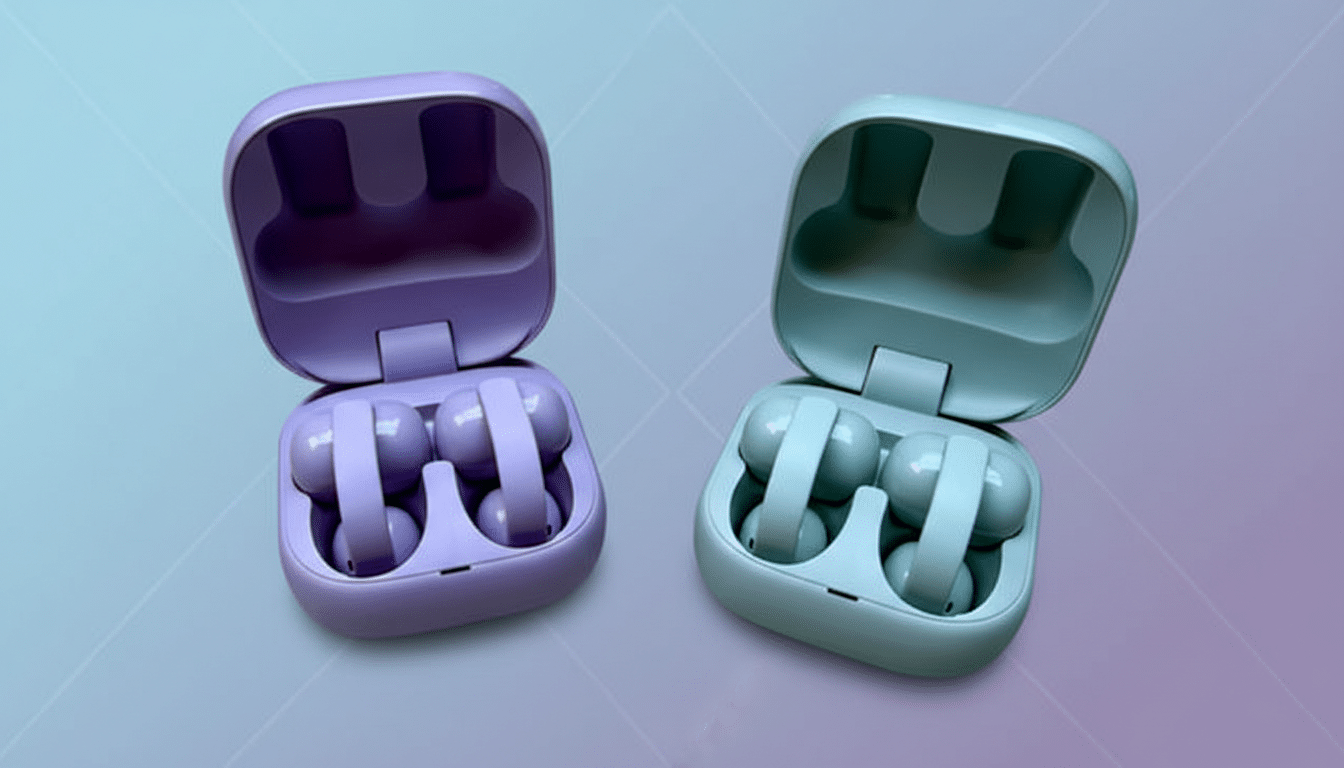
Because these cushions come in the box—like tip sizes for in-canal buds—more users can dial in a secure fit on day one. That matters for both all-day wear and higher-movement activities where a rigid clip can wiggle, shift sound direction, or cause fatigue.
Why Fit Dictates Open-Ear Sound Quality and Clarity
Open-ear designs are highly directional. A few millimeters of rotation can change how the speaker’s beam aligns with your concha, affecting tonal balance and loudness. Stability also helps the microphone array maintain a consistent acoustic path to your mouth, which translates to clearer calls in real-world noise.
Audio engineers have long noted that small shifts in ear coupling can swing response by several decibels in the upper mids. That’s why consistent placement is crucial. By adding a soft anchor against the helix as well as the concha, Sony’s cushions help lock in that alignment so the sound you hear at minute five matches what you heard at second five.
How Sony’s Cushions Change the Load Path
The cushions effectively convert a single-point clip into a dual-anchor system. Instead of all the clamping force bearing on one ridge of the ear, the load is distributed between the concha and helix. That lowers perceived pressure and minimizes micro-slippage when you talk, chew, or run.
The materials matter too. Softer interfaces reduce contact stress, easing hot spots that often trigger soreness after 20 to 30 minutes with rigid clips. In practice, this means you can keep the LinkBuds Clip on through a commute, a meeting block, and a workout without the familiar “get these off me” moment.
Head-to-Head With Bose Ultra Open Earbuds on Fit
Bose’s Ultra Open earbuds popularized the cuff-style, ear-hugging aesthetic and deliver strong spatial audio and voice pickup, but they rely on a fixed, springy clip to fit everyone. For many users that works well; for others it can feel pinchy or unstable under motion. Sony’s twist is not the clip—it’s the customizable interface that fine-tunes how the clip meets your ear.
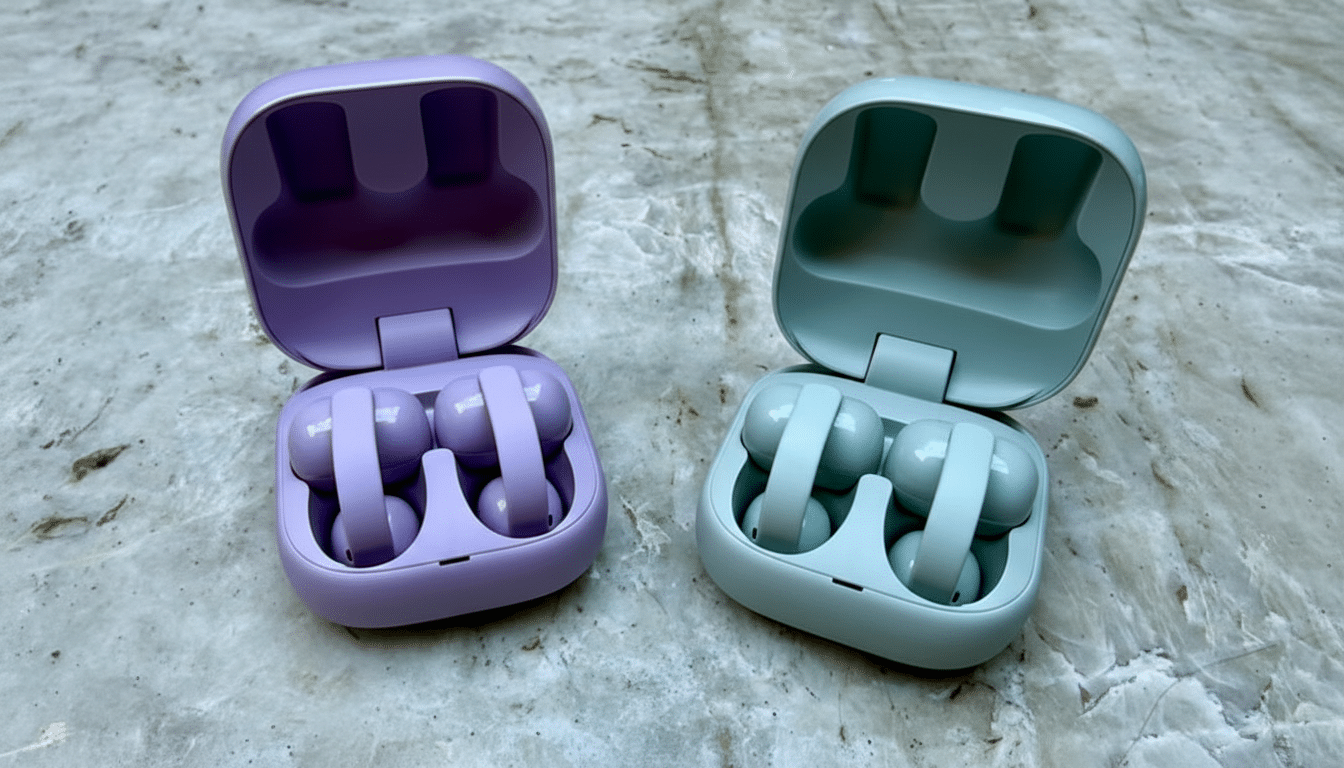
The difference shows up in consistency. With the cushions installed, LinkBuds Clip maintain a steadier angle, which helps preserve midrange presence at lower volumes and reduces the “drifting” effect some open-ear buds exhibit during runs or interval training. That translates to fewer adjustments and more predictable sound, call to call and mile to mile.
Real-World Gains for Work and Workouts With Open-Ear Buds
In offices and cafes, a stable open-ear fit keeps voices intelligible at moderate levels while leaving you aware of your surroundings. During calls, beamforming mics benefit from the fixed geometry, cutting down on the hollow timbre that creeps in when a bud shifts off-axis.
On the move, runners and cyclists get a more locked-in placement without resorting to higher clamp force. The cushions reduce bounce during footstrike—one of the main reasons clip-on designs can drift—so the speaker remains pointed where it should. For outdoor safety, preserving situational awareness is the whole point of open-ear; Sony’s approach helps you keep that balance without fuss.
Price Context and Market Signals for Open-Ear Earbuds
At a $230 list price, the LinkBuds Clip sit squarely in premium territory, where small usability wins carry big weight. The earwear segment remains the largest slice of wearables by unit volume—IDC estimates earwear represented over 50% of wearable shipments last year—so the stakes for comfort and fit are high. Open-ear specifically is growing as athletes and commuters seek awareness alternatives to sealed in-ears, a trend bolstered by brands like Shokz and newer open designs from mainstream audio players.
Sony’s decision to include fit cushions in the box signals a shift toward semi-customization for open-ear products, similar to how multiple tip sizes became standard for in-ears. It’s the kind of human-factor detail competitors will have to match.
What Comes Next for Competitors in Open-Ear Designs
The lesson is simple: start with comfort and stability, not just sound and style. Expect rivals to follow with accessory kits—alternative clip pads, thicker helix cushions, or modular hooks—to extend fit coverage. Bose already leads on immersive processing; pairing that with a customizable fit system would be a logical next move.
For now, Sony’s clever cushion system gives LinkBuds Clip a practical edge. It’s not a flashy spec, but it’s the kind of thoughtful design flourish that makes the difference between earbuds you tolerate and earbuds you forget you’re wearing.
