


Sony just redrew the open-ear map. The new LinkBuds Clip arrive with a deceptively simple idea that undercuts Bose’s lead in clip-on earbuds: removable fitting cushions included in the box. It’s a small hardware tweak with an outsized impact on comfort, stability, and sound consistency—areas where clip-on designs traditionally stumble.
By addressing the “one-size-fits-few” problem head-on, Sony turns a niche form factor into a more inclusive option, and in doing so, lands a timely shot at the Bose Ultra Open’s dominance in this growing category.
- What Makes These Clips Different From Other Open-Ear Buds
- How Fit Changes the Sound You Hear With Open-Ear Buds
- How They Stack Up Against Bose’s Ultra Open Earbuds
- Everyday Use Without the Typical Open-Ear Trade-Offs
- Why This Move Matters Now for the Growing Open-Ear Market
- Bottom Line: Ergonomics, Stability, and Real-World Value
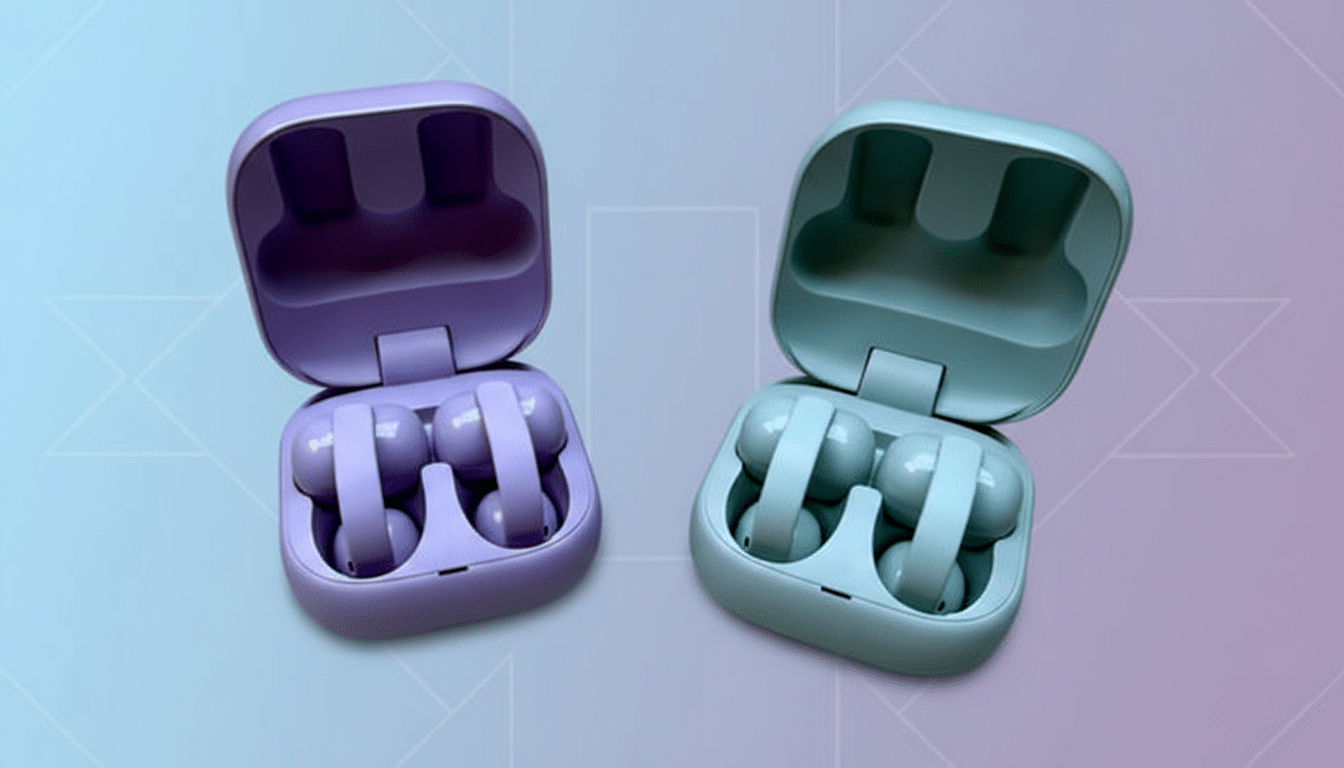
What Makes These Clips Different From Other Open-Ear Buds
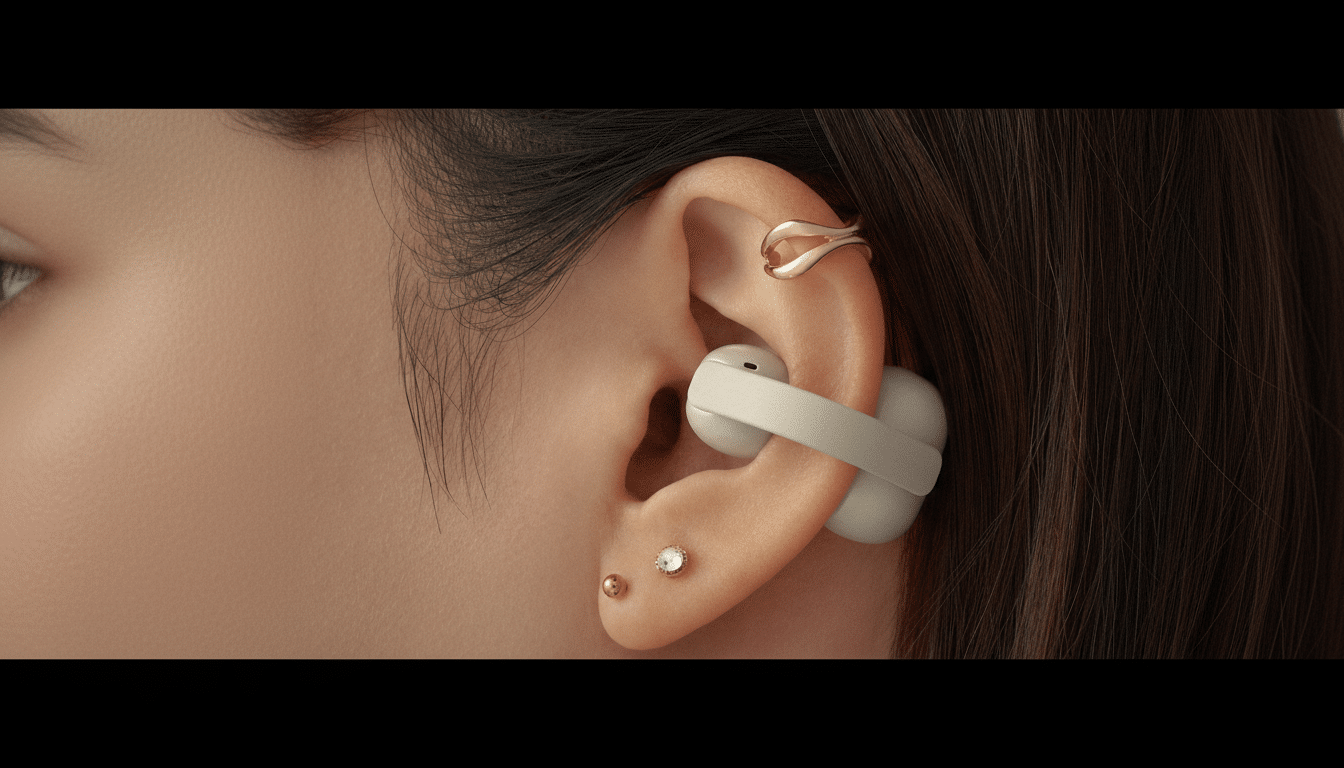
Most clip-on open-ear buds clamp to the outer ear using a stiff hinge and hope your anatomy plays along. Sony’s LinkBuds Clip add removable cushions that fill the gap between the hook and your ear, shifting pressure away from sensitive cartilage and creating a second support point along the helix. The result is a lighter-feeling, more stable latch without cranking up clamp force.
Crucially, these cushions come standard, the way interchangeable ear tips do with in-canal buds. That means users who typically abandon clip-ons after a few minutes of discomfort get a viable out-of-the-box solution—no third-party hacks, no compromises.
How Fit Changes the Sound You Hear With Open-Ear Buds
Open-ear designs are highly directional. A few millimeters of drift can alter perceived treble clarity, bass presence, and even the stereo image. By keeping the speaker nozzle consistently aligned, those cushions help the LinkBuds Clip deliver steadier tonality and reduce the “now you hear it, now you don’t” effect that can happen mid-run or during a commute.
Call performance benefits, too: Beamforming mics and noise suppression depend on stable orientation; when the bud sits exactly where the algorithm expects, voice pickup is cleaner and less prone to rustle or wind artifacts. For athletes, that added stability can be the difference between a playlist that motivates and one that distracts.
How They Stack Up Against Bose’s Ultra Open Earbuds
Bose’s Ultra Open earbuds set a high bar for comfort and design, winning praise for their sleek cuff style and airy, natural listening. But the fit is largely fixed; if the geometry matches your ear, it’s brilliant, and if it doesn’t, there’s little room to adjust. Sony’s answer is flexibility by default. With cushions that subtly tune spacing and pressure, the LinkBuds Clip accommodate more ears, especially those that find clip-ons pinchy or unstable.
There’s also the value equation. With a list price around $230, Sony undercuts many flagship open-ear rivals. Bose counters with its immersive audio processing and a refined industrial design. Sony’s play is more pragmatic: maximize compatibility and comfort so more people can wear open-ear all day without fatigue. For a form factor that lives or dies by fit, that’s a savvy priority.
Everyday Use Without the Typical Open-Ear Trade-Offs
Open-ear buds appeal because they preserve situational awareness—crucial for city runners, cyclists, and office multitaskers. The LinkBuds Clip lean into that promise without amplifying the typical drawbacks. A steadier perch reduces sound leakage variability and helps maintain bass presence even when you’re moving, while keeping your ear canal unobstructed for breathable comfort during long sessions.
The design also sidesteps the “occlusion effect” that makes your own footsteps thump in your head with in-ear seals. If you spend hours on calls, open-ear comfort and consistent mic positioning matter more than headline specs. Sony’s cushion-assisted stability pays off here, and it’s the sort of practical win you notice on day three, not just minute one.
Why This Move Matters Now for the Growing Open-Ear Market
Hearables are the engine of the wearables market. IDC’s 2023 trackers show hearables remain the largest category, accounting for well over 60% of shipments. Within that, open-ear has surged as consumers seek safer, more social listening that doesn’t isolate them from traffic or colleagues. Yet, the category’s Achilles’ heel has been fit: a universal frame for decidedly non-universal ears.
Sony’s inclusion of fitting cushions attacks that barrier at the point of purchase. It broadens the addressable audience and reduces returns driven by discomfort—an issue retailers quietly grapple with. It also pressures rivals to bundle adjustability rather than leave users to figure it out with aftermarket parts. Expect more brands to follow suit; the cost is minimal, the consumer impact is obvious.
Bottom Line: Ergonomics, Stability, and Real-World Value
The LinkBuds Clip don’t upend Bose with a flashy codec or a spec sheet stunt. They do it with ergonomics that make open-ear viable for more people, more of the time. By shipping fitting cushions in the box—and pricing the product competitively—Sony has reframed the rivalry around comfort, stability, and real-world usability. If clip-on earbuds have never quite worked for your ears, these might finally change that.
