


I spent the past week wearing Sony’s new LinkBuds Clip and Bose’s Ultra Open side by side, jogging through city parks, taking calls on busy streets, and working at a standing desk. Both are polarizing by design: open-ear, clip-on earbuds that trade isolation for awareness. After hours of back-to-back use, one model clearly delivers a smarter mix of comfort, fidelity, and value. The Sony LinkBuds Clip win—and not by a hair.
Open Earbuds And Why They Exist For Awareness And Safety
Open earbuds don’t try to block the world; they let it in. That makes them ideal for runners, cyclists, dog walkers, and anyone who wants a soundtrack without losing situational awareness. Safety groups such as the National Safety Council have long encouraged keeping one ear open around traffic; these earbuds build that principle into hardware. Market trackers including Canalys have also flagged a rebound in personal audio, with niche designs like open-ear gaining traction among fitness-focused users.
- Open Earbuds And Why They Exist For Awareness And Safety
- Design And Comfort Compared During Everyday Workouts
- Sound Quality And Leakage In Real-World Conditions
- Controls, Apps, And Everyday Use While On The Move
- Battery Life And Price For Long Runs And Daily Use
- The Verdict On Sony LinkBuds Clip Versus Bose Ultra Open
Design And Comfort Compared During Everyday Workouts
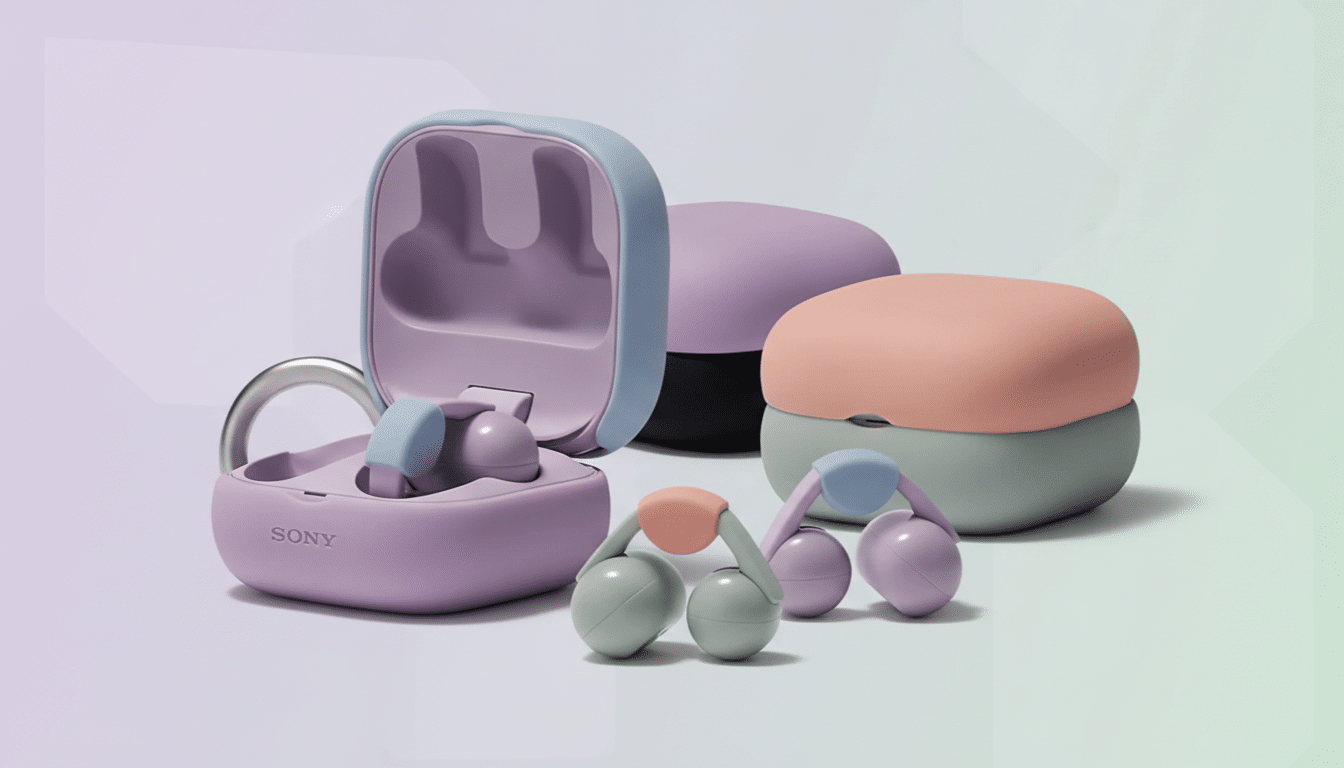
Sony’s approach is elegant: a soft, size-agnostic cushion gently clips to the outer ear while a small driver sits just outside the canal. It distributes pressure broadly, so there’s no hot spot after an hour-long run, and it plays nicely with glasses or a cap. Bose’s Ultra Open uses a sleek cuff-style clip that looks fashion-forward and feels secure, but it applies a slightly firmer pinch on the helix. During a 45-minute tempo run, I noticed the Bose more—especially with sunglasses—while the Sony faded into the background.
Retention is solid on both. Sprinting and jumping never knocked either loose, though the Bose clamp held steadier during fast lateral moves in the gym. If you’re doing HIIT with burpees and kettlebell swings, Bose gets the nod; for all-day comfort, Sony takes it.
Sound Quality And Leakage In Real-World Conditions
Open-ear audio will never match a sealed in-ear monitor for sub-bass or isolation, but tuning still matters. Sony leans neutral with crisp treble detail; snare transients and vocal texture cut through without harshness. On a mixed playlist—indie guitars, Afrobeats, and spoken-word podcasts—the LinkBuds Clip rendered cymbal air and background instrumentation with more separation. Bose brings the expected brand signature: a tasteful bass lift that gives pop and hip-hop extra body. It’s fun, yet mids can feel slightly recessed at lower volumes.
Because these are open by nature, some sound leaks. Standing two feet from a colleague at moderate volume, the Bose were easier to detect in a quiet office than the Sony, likely a function of their bass emphasis. Outdoors, wind handling was comparable, with the Sony exhibiting a touch less hiss at jogging pace. On calls, both use beamforming mics; voices were intelligible near light traffic, but gusty conditions still tripped them up—par for the open-ear course.
Controls, Apps, And Everyday Use While On The Move
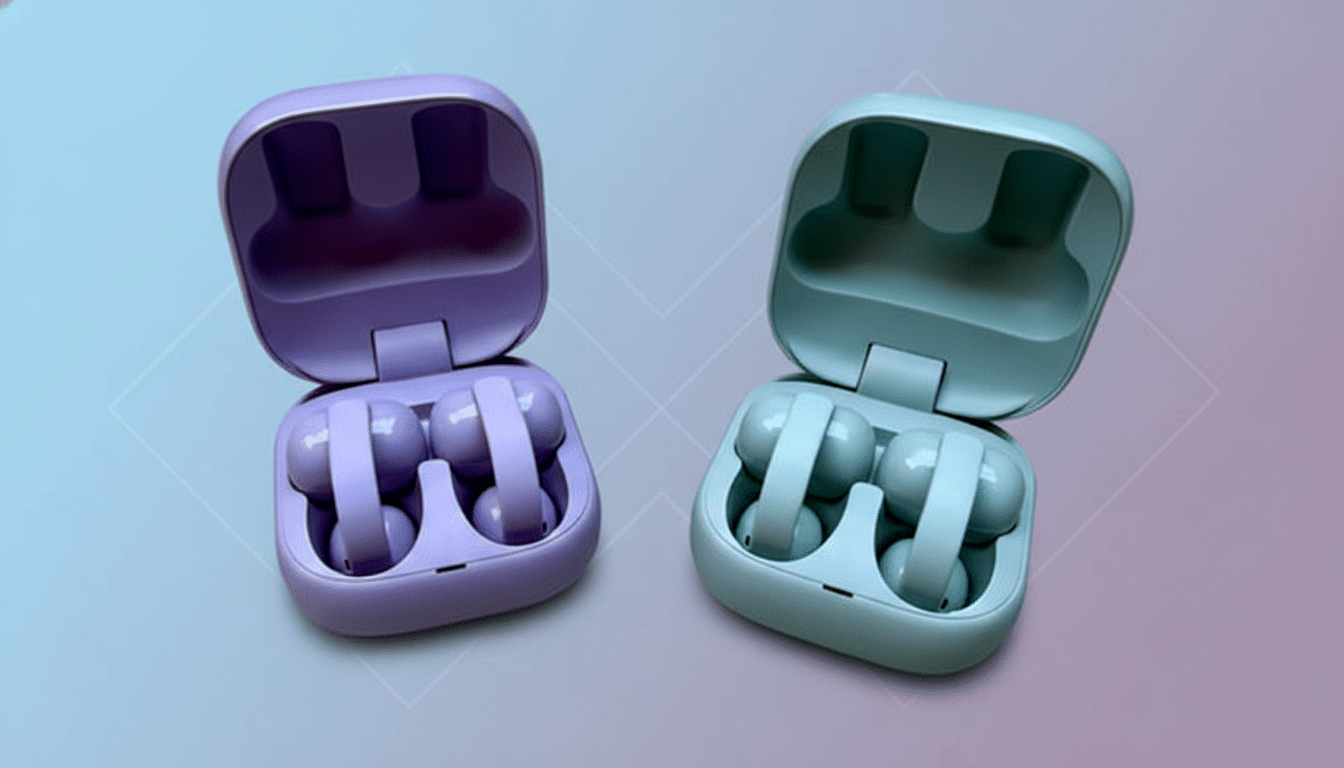
Here’s where Bose stakes a strong claim: physical buttons. When you’re moving, sweaty, or wearing gloves, tactile clicks beat guessing at touch targets. Bose Ultra Open nails this with responsive, unambiguous presses. Sony relies on touch and taps; it’s mostly accurate, but I misfired track skips a few times during intervals. The Sony app, however, offers slightly more granular EQ and adaptive features, which power users will appreciate.
Connectivity was rock solid on both sets with a phone in a waist belt and a smartwatch paired for controls. Multipoint and quick switching worked as expected for juggling a laptop and phone during a workday. Neither aims for active noise cancellation; that’s intentional, and for commuters who want silence on a train, these are the wrong tools. For errands, home listening, and workouts, they’re exactly the right ones.
Battery Life And Price For Long Runs And Daily Use
Endurance is where Sony typically presses an advantage. Sony’s prior open model delivered around nine hours per charge and roughly double the case stamina of Bose’s earlier figure, and the LinkBuds Clip continue that long-haul mindset in practice. After two long training sessions and a handful of calls, the Sony still had runway while the Bose nudged me toward the case. If you hate the anxiety of topping up midweek, Sony eases the worry.
Value compounds the gap. The LinkBuds Clip come in roughly $70 below the Bose Ultra Open, a material difference in a premium niche. When you consider battery life and sound quality, Sony’s lower sticker price feels less like a compromise and more like a statement.
The Verdict On Sony LinkBuds Clip Versus Bose Ultra Open
Bose Ultra Open are the stylish pick with superior tactile controls and a gym-friendly clamp. But across comfort, balanced audio, and endurance, the Sony LinkBuds Clip win decisively—and they cost less. If open earbuds are your second pair for fitness and around-the-house listening, Sony’s new clip-ons are the smarter buy. If you crave a bassier tilt and love the feel of buttons, Bose remains compelling, but for most people, Sony’s combination of fit, fidelity, and battery life seals it.
