


An analysis released Wednesday from Consumer Reports and Groundwork Collaborative claims that Instacart’s AI-powered pricing experiments caused some customers to receive significantly different prices for the same grocery items purchased through the app, in some cases paying as much as 23% more on products than other users shopping through the app at the same retailer. The findings highlight a growing tension in online grocery between algorithmic optimization of price and elemental price transparency for customers.
What the study found about Instacart’s pricing disparities
The study looked at pricing on Instacart for a sampling of some of the platform’s largest retail partners, including Kroger, Albertsons, Costco and Safeway. The identical product was displayed to different shoppers at different prices in overlapping windows, with the greatest price differences up to 23%, the report says. While online grocery has long included markups compared with in-store pricing, the new wrinkle here is intra-platform disparity: two people paying different amounts for the same SKU, at that retailer, through that app.
- What the study found about Instacart’s pricing disparities
- How dynamic pricing reaches your Instacart shopping cart
- Retailer Markups Versus Algorithmic Tests
- Transparency and growing regulatory pressure on pricing
- What Instacart and experts are saying about dynamic pricing
- How shoppers can protect themselves from shifting prices
- What comes next for Instacart pricing and transparency
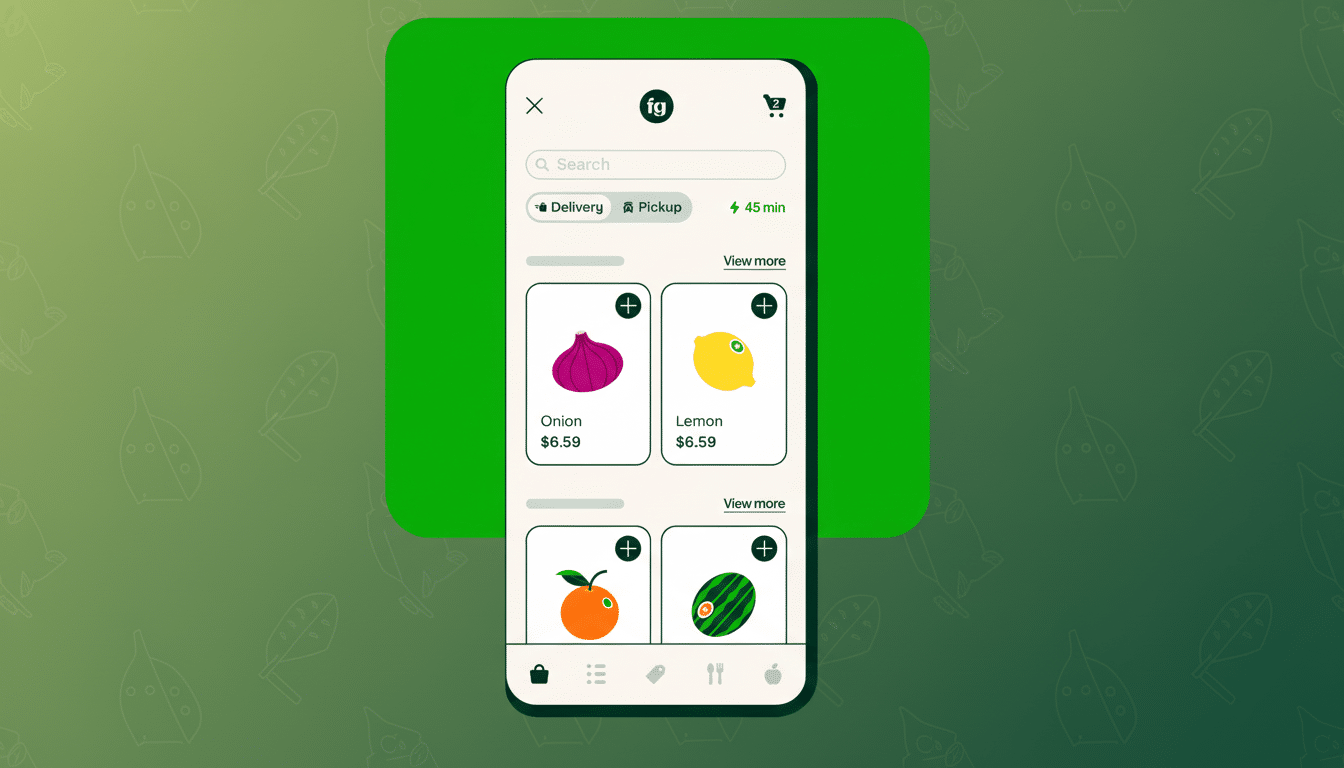
Consumer Reports blames the disparities on dynamic pricing tests carried out alongside Eversight, a pricing and promotions platform that Instacart snapped up in 2022. The activity is publicly referred to as A/B pricing testing, which exists to measure the elasticity of demand and optimize revenue on a SKU by SKU basis.
How dynamic pricing reaches your Instacart shopping cart
Eversight markets itself to grocers as a way to “unlock revenue growth” by quickly testing various price points at scale and learning what customers will tolerate. Instacart’s own materials state that some shoppers “may see slightly higher prices” than others. But the watchdogs contend that in practice, they found delta differences that were more than “slight,” and raised questions about how personalized such recommendations should become across key categories of human life, including food.
Dynamic pricing is routine in travel and ride-hailing, and a growing phenomenon in e-commerce. With groceries, however, the sense of stable, uniform shelf pricing persists and consumers are likely to warehouse prices alongside separate charges for delivery, service and tip, which they know also factor into their ultimate bill. The study focuses in particular on item prices, not fees — indicating that the algorithmic spread is present before any add-ons.
Retailer Markups Versus Algorithmic Tests
Two common practices need to be differentiated. First, a lot of retailers raise list prices on Instacart compared to in-store to offset picking and platform costs. A second, more controversial practice is presenting different list prices to the same customers on the same platform. It is the latter that the report concentrates on. If true, then two Instacart users with the same basket at the same store could see materially different totals even before any fees are added in.
When households are budgeting things like weekly staples, a 20 percent swing even on some items adds up fast. On a $100 basket, that’s a $20 difference; compound it over months of repeat buying and you’re talking hundreds of unidentifiable dollars in silent fees you’d never notice without side-by-sides.

Transparency and growing regulatory pressure on pricing
Personalized pricing for consumers is generally legal in the U.S., but regulators closely monitor practices that mislead or conceal material information. The Federal Trade Commission has signaled increasing interest in algorithmic pricing, raising concerns about “dark patterns,” and the possibility of “algorithmic collusion.” In its antitrust complaint against Amazon, the F.T.C. pointed to an internal pricing tool that it said increased prices broadly across the market — a demonstration of how digital pricing can draw agency oversight when its effects ripple beyond a single storefront.
State-level moves against “junk fees” have also increased expectations about clear pricing disclosures in the online world. The same logic of transparency that has been used by policymakers and advocates to put add-on fees in the spotlight is now being pushed to the core price for goods when it is adjusted according to the user by software.
What Instacart and experts are saying about dynamic pricing
Instacart has also long said that retailers set item pricing in its marketplace, and the company offers tools — like those from Eversight — on behalf of retailers. Eversight’s pitch to grocers centers on measurable sales lift through rapid experimentation, and Instacart flags that prices may vary. Economists who study pricing say that while dynamic systems can help cut down on out-of-stocks and ensure prices reflect demand, they also risk undermining trust if shoppers don’t know what they will pay or why a neighbor pays more for the same box of cereal.
How shoppers can protect themselves from shifting prices
While the debate plays out, consumers can take practical steps.
- Before you check out, compare prices on the retailer’s own site of some items in your order purchased through Instacart — by adjusting for unit price if necessary.
- Beware platform notices that inform you prices may be higher than in-store, which are baseline markups.
- (To catch sudden, unusual swings in prices, build a saved list of the staples and spot-check as the need arises.)
- If anything looks wrong or funky, reach out to support or go with curbside pickup ordered directly through the retailer (where pricing is generally more transparent).
What comes next for Instacart pricing and transparency
The report is likely to escalate calls for guardrails around algorithmic grocery pricing — at the very least, clearer disclosure when per-customer price testing is in force and some guardrails about how much prices can vary. Whether regulators step in or retailers take stronger steps voluntarily, the fundamental issue is straightforward: People want to be able to trust that the price they see is what everyone else sees for the same item. In a category as fundamentally important as food, that expectation might be more valuable than any temporary bump from dynamic experiments.
