


Solid-state batteries tick almost every box on a smartphone wish list: higher energy density, faster charging, better safety, and longer life. On paper, that makes them an obvious upgrade over today’s lithium-ion packs. So why isn’t your iPhone running on one yet? The short answer is that the economics, manufacturing maturity, and real-world reliability still don’t line up for a device that ships in the hundreds of millions and lives in your pocket all day.
What Solid-State Batteries Really Promise for Phones
Instead of flammable liquid electrolytes, solid-state cells use ceramic or polymer electrolytes. That shift enables lithium-metal anodes and trims “dead” materials, pushing energy density potentially 30% to 50% higher than mainstream lithium-ion. For a phone, that could mean a thinner device with the same runtime, or the same size with a meaningful bump in battery life. Safety also improves: without volatile solvents, thermal runaway risk drops, and abuse tests tend to be far more forgiving.
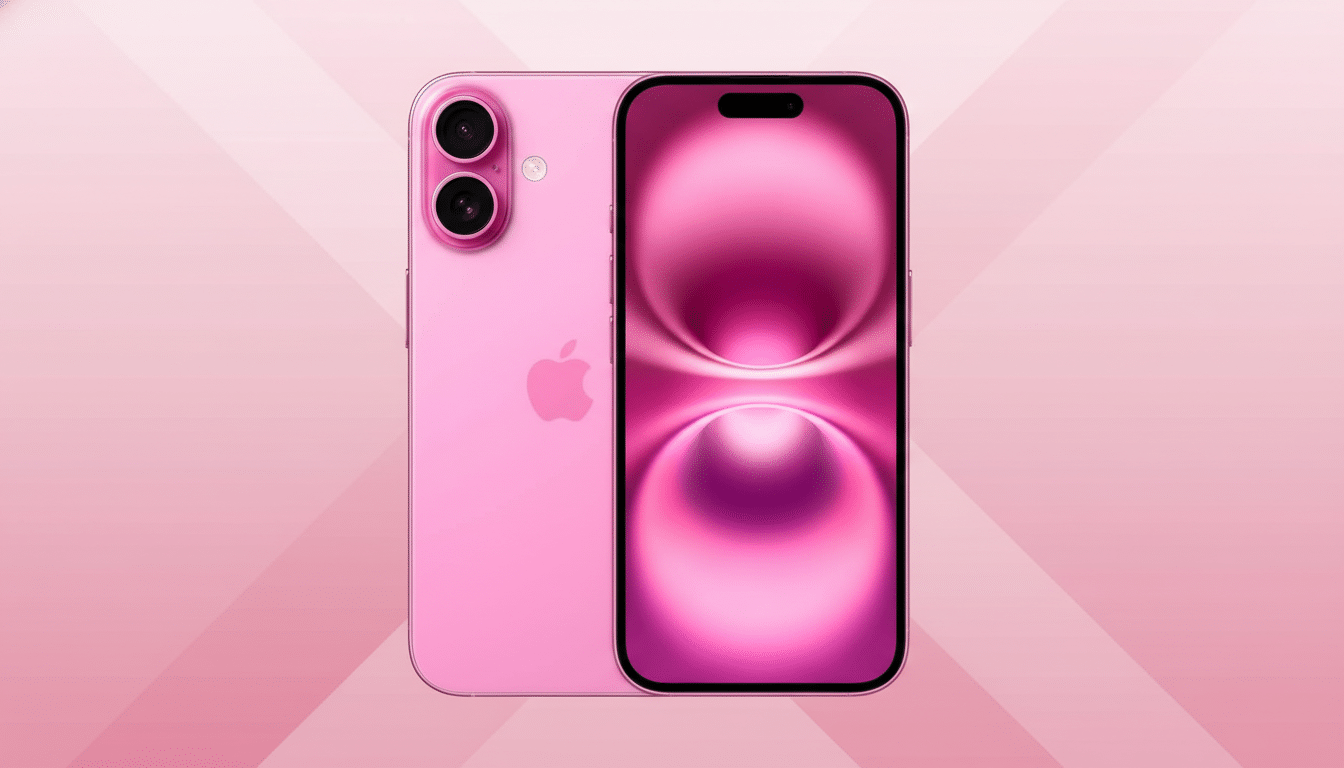
These advantages are real and measurable. Research labs, auto suppliers, and startups have shown solid-state prototypes with high cycle life and improved fast-charge performance. But moving from a great cell in a lab fixture to a thin, flexible pouch that survives daily drops, pocket lint, and summer dashboards is the hard part.
The Manufacturing Wall: Cost, Yield, and Scale
Lithium-ion is a 30-year manufacturing juggernaut. The smartphone market alone ships roughly 1.3 billion units annually, and Apple’s slice is measured in the hundreds of millions. That volume exists because today’s cells are cheap, repeatable, and made on hyper-optimized equipment with high yields across a global supplier base that includes ATL, Sunwoda, Desay, LG Energy Solution, Panasonic, and Samsung SDI.
Solid-state production is not there yet. Ceramic electrolytes must be made with tight tolerances, often under dry room or vacuum conditions, and then stacked with high pressure to maintain intimate contact across layers. Every tiny defect can kill a cell, dragging yields down. Industry estimates cited by analysts at BloombergNEF and IDTechEx suggest early solid-state cells are still several times more expensive than comparable lithium-ion, with yields far below mature lines. When you’re building tens of millions of batteries for one phone generation, yield is not a rounding error—it determines whether the product can launch at all.
Physics and Reliability Are Not Phone-Friendly
Phones are brutal environments for batteries. Solid-state cells often need modest stack pressure to keep interfaces stable; phones need to survive torsion, vibration, and drops without a rigid clamp. Ceramics can be brittle. Microcracks at the electrolyte–electrode interface introduce resistance or allow lithium to form filament paths, degrading the cell. Even slight swelling during charge and discharge, tolerable in a lab fixture, becomes a design headache in a sealed, ultra-thin chassis next to fragile displays and tight tolerances.
Then there’s temperature and charging behavior. Some solid electrolytes have higher interfacial resistance at room temperature, which can slow fast charging or require different thermal management strategies. Automakers can allocate space and mass for heaters, cooling plates, and compression hardware. A 7 mm smartphone cannot.
Supply Chain Reality and Certification Hurdles
Apple’s battery choices are as much about logistics and risk as chemistry. The company qualifies multiple suppliers, stress-tests cells for years, and designs around known failure modes. Introducing an all-new chemistry means new factories, new tooling, new quality control, and fresh safety certifications across standards like IEC 62133 and UN 38.3. Those programs take time and money, and any hiccup can ripple through global air and sea shipping.
There’s also the definition problem. Many products touted as “solid-state” today use gelled or semi-solid electrolytes, or ceramic-coated separators. They can be incrementally safer and more stable, but they are not the fully solid, lithium-metal architecture that promises the largest step-change in phone performance. Apple won’t slap a new label on a battery unless it delivers a real, repeatable benefit at iPhone scale.
Why Accessories Will Adopt Solid-State Batteries First
External power banks, wearables, and niche gadgets are proving grounds. They ship in lower volumes, can accommodate slightly thicker enclosures or compression frames, and face less catastrophic downside if a batch underperforms. That’s why you’ll see early solid-state or quasi-solid cells show up in accessories long before they appear in a flagship phone. It’s the same adoption curve lithium-ion followed decades ago.
What to Expect Next for Solid-State in Smartphones
Automakers and suppliers—Toyota, Volkswagen-backed QuantumScape, Solid Power, and Samsung SDI among them—are moving from coin cells to pilot lines. As yields rise and costs fall, smartphones become a realistic target. People inside the battery industry widely expect meaningful solid-state volume later in the decade, with mainstream phone adoption likely following after that.
In the meantime, your iPhone benefits from steady lithium-ion progress: stacked-electrode architectures that pack more active material, silicon-rich anodes for higher capacity, better electrolyte additives for longevity, and smarter charging algorithms. None of these make headlines like “solid-state,” but together they deliver longer life and faster top-ups without breaking the supply chain.
The bottom line: solid-state does beat lithium-ion on paper, and eventually it will win in pockets as well as in labs. But until factories can make these cells cheaply, consistently, and in nine-figure volumes—and until the physics play nicely with thin, rugged phones—Apple is sticking with the chemistry that has already proven it can scale.
