


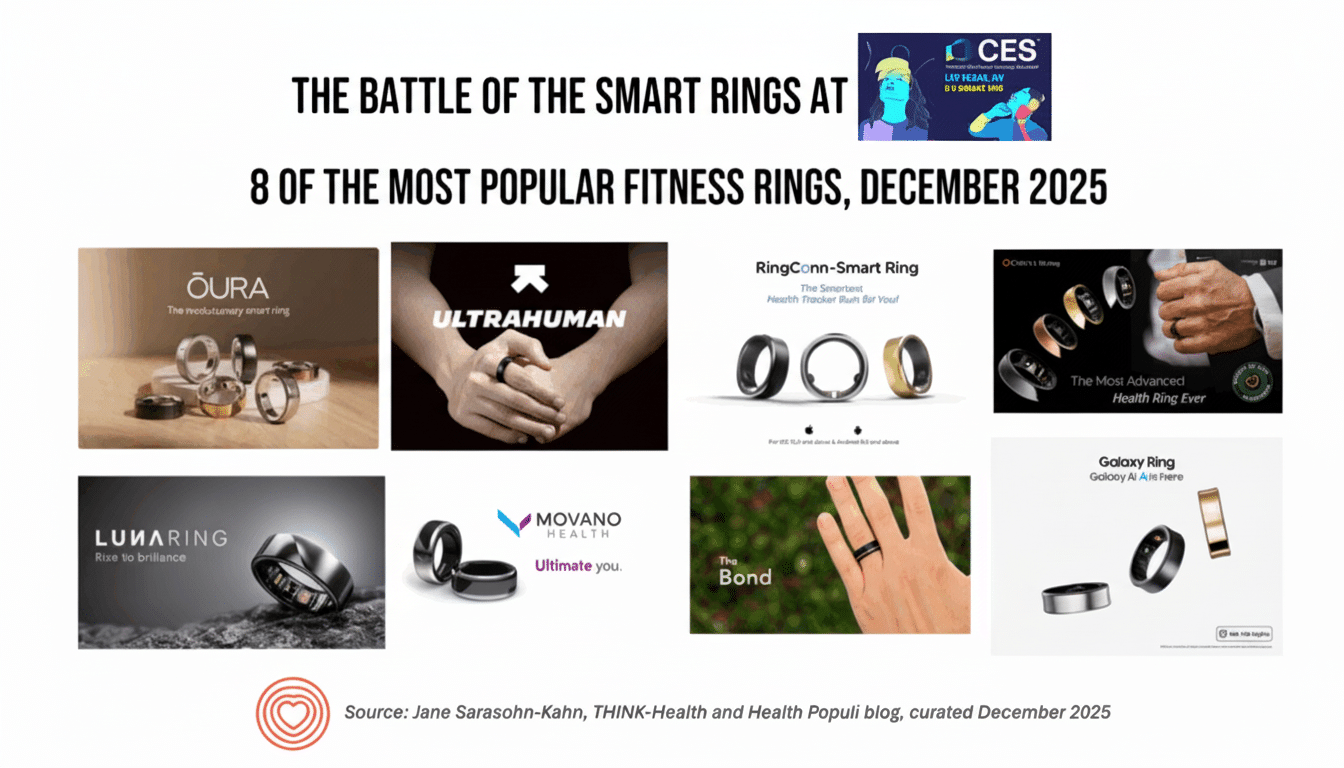
Smart jewelry has finally made the leap from novelty to something people will want to wear. On the CES 2026 show floor, rings, bracelets, and even earrings sport slimmer profiles, sophisticated materials, and more-powerful health features — evidence that the category’s long-promised marriage of fashion and function finally seems to be happening.
When Design Jumps, Tech Often Looks Like Jewelry
The biggest change is in design. In fact, telling the techiness of early wearables from far away was easy. This year’s smart rings and bracelets read as jewelry first: matte titanium and ceramic cases, nearly invisible sensor windows, and bezels that won’t catch on sleeves. Some locked status LEDs behind micro-perforations and shifted charging contacts to the inner band, while others buried everything under their displays, negating visual clutter.
- When Design Jumps, Tech Often Looks Like Jewelry
- Sensors and AI Step Up Without Getting in the Way
- Battery Life and Charging At Last Catch Up
- Fashion Houses Enter the Chat on Smart Jewelry
- Health Claims Face a Tougher Regulatory Barrier
- Ecosystems and Standards Foster Scale for Wearables
- The Bottom Line: Smart Jewelry’s Big CES 2026 Moment
Comfort, as much as form, is gaining from this trend. New housings are more bone-shaped and curvy, while their open-band ring offerings provide the ability to make half-size adjustments without a resizing kit. Weight is coming down too — sub-10-gram designs were common, made possible by even thinner battery packs and denser component layouts. The result is hardware that disappears on the body, encouraging all-day wear.
Sensors and AI Step Up Without Getting in the Way
The stacks of sensors under the hood are getting more complex yet savvier about power. Multi-wavelength photoplethysmography (green, red, and IR) alongside skin temperature, accelerometer/gyroscope, and in some cases EDA, can be utilized as a proxy for stress. The pitch isn’t “more metrics,” it’s better context: readiness scoring that gives you context for how low your recovery is, insight into your menstrual cycle with temperature trends that correlate with the regular ups and downs, and sleep guidance that prizes consistency of routine more than raw hours.
Multiple exhibitors pushed on-device and on-phone artificial intelligence to make data actionable. Think of brief, privacy-preserving models that distill each day, raise flags relative to an individual baseline, and provide light-touch actions — go to bed 30 minutes earlier; hydrate before an afternoon workout; reschedule high-intensity exercise after travel. Voice-led journaling has quietly emerged as a differentiator: record a quick note about caffeine, stress, or medication, and the system automatically tags your physiology with that context.
Battery Life and Charging At Last Catch Up
Style doesn’t count if you have to remove the device every other day. Rings at CES were widely touted for a week or more on a charge, and bracelets and pendants hovered in the high-multiple days even with nonstop heart rate monitoring and temperature tracking. Ultra‑low‑power chipsets from providers such as Nordic Semiconductor and efficient optical drivers are handling the heavy lifting.
Even the charging experience is going jewelry-like. Rather than fiddly puck cables, portable battery cases themselves act as the charging source and provide two to three top-ups on the move. Magnetic docks guide contacts together in a snap, and water-resistance ratings are edging higher, so it’s less nail‑biting to keep something on while you wash your hands or get sweaty.
Fashion Houses Enter the Chat on Smart Jewelry
Tech brands aren’t alone. Fashion brands and accessory manufacturers are more often co-designing pieces, bringing together finishes, textures, and seasonal colorways that speak to life beyond the gym. We’ve seen this trick work before with combined rings and bands, and CES would suggest there’s more on the way: interchangeable shells, premium PVD coatings that withstand scratches without additional heft or friction with RF or optical sensors (think gemstone‑inspired facades).
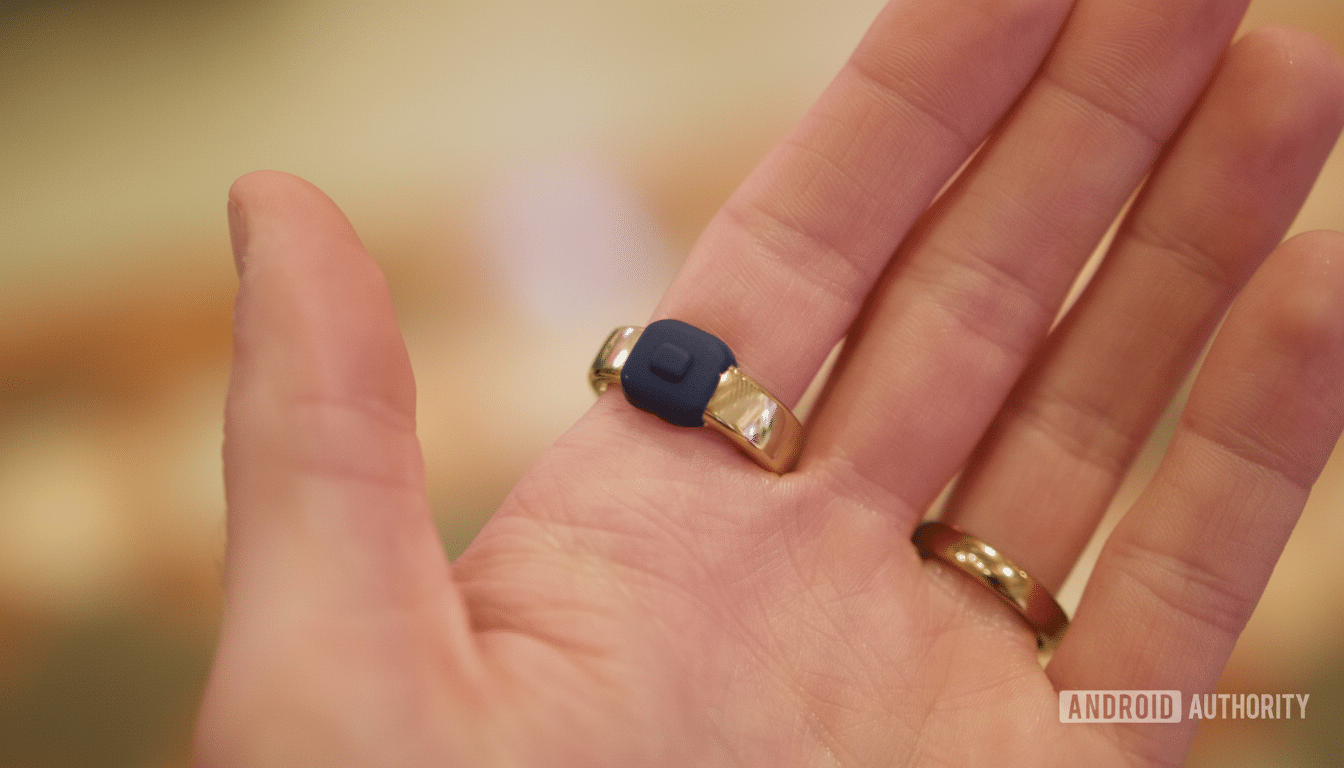
The idea is simple: narrow the trade-off between self‑expression and self‑tracking. If a ring feels at home alongside one’s wedding band and a bracelet pairs well with their watch, the chances for daily wear — and useful data — increase.
Health Claims Face a Tougher Regulatory Barrier
As wellness secrets inch toward science, scrutiny is increasing. U.S. regulators have already signed off on algorithms for detecting irregular heart rhythms in wearables, and some ring makers are seeking their own specific 510(k) clearances, mostly for analytics instead of hardware. The message at CES was more tempered than in previous years: these are not diagnostic tools but trend trackers that can precipitate timely conversations with a clinician.
Independent research has still been setting expectations. Academic labs have also found that wrist wearables track resting heart rate reliably and perform well in assessing sleep duration, with more variability during high-motion activities. User trust remains important, even as the sobriety apps sector attracted greater scrutiny in recent years.
Ecosystems and Standards Foster Scale for Wearables
What goes on beyond your ring finger matters, too. Phone platforms are extending APIs around passive sensing and notifications, while health-record frameworks facilitate easier export of your data to providers or research studies — with your consent. The Bluetooth SIG’s ambition is for billions of Bluetooth devices to ship annually by 2028, and that level of mass makes possible stronger interoperability across the board, from multi-device pairing all the way down to low-latency sync that saves precious battery life and eardrums.
Market momentum is real. Analysts with IDC and Counterpoint Research said wearables have been growing again since a post-pandemic lull, while rings are the subcategory standout — still tiny compared with watches but expanding quickly as designs shift from clunky to subtle and sexy. Wellness is also a consumer goods trend with some staying power, something McKinsey has pegged at around $1.8 trillion globally, and why smart jewelry is now getting the prime-time treatment.
The Bottom Line: Smart Jewelry’s Big CES 2026 Moment
CES 2026 didn’t just display smarter sensors; it showcased taste. The latest smart jewelry looks and feels like small jewelry, yet quietly levels up the health and convenience features people actually use. That trifecta — credible style, sensible battery life, and clearer insights — creates the possibility that the category will move out of niche accessory status and into the everyday routine.
