


ShinyHunters, a prolific data-theft group, claims it stole more than 14 million Panera Bread customer records and has begun circulating samples of the data. Panera has confirmed an intrusion and described the exposed information as customer contact details, and the company says it has engaged law enforcement while working to contain the incident.
The scope is significant for a national restaurant chain with a heavy digital footprint and popular loyalty program. While the company has not said payment data was impacted, names, emails, phone numbers, postal addresses, and account metadata are reportedly among the exposed fields—valuable ingredients for follow-on phishing and credential-stuffing attacks.
- What ShinyHunters Says Was Taken from Panera Customer Databases
- How Attackers Likely Broke In via Identity Systems
- A Repeat Target Raises Questions on Security Posture
- A Campaign Beyond One Brand Signals Wider Threats
- What Panera Customers Should Do Now to Reduce Risk
- What Companies Can Learn from the Panera Data Breach

What ShinyHunters Says Was Taken from Panera Customer Databases
ShinyHunters claims to have extracted a large internal database, including customer contact profiles tied to online ordering and loyalty accounts. Contact data alone can be weaponized: attackers can craft convincing messages that reference past orders or store locations, then lure victims to fake login pages to harvest passwords or push mobile malware.
Panera, in statements reported by Bloomberg, characterized the incident as limited to contact information. Even so, recent breach investigations show that seemingly “non-sensitive” fields can enable identity correlation across services. The Verizon Data Breach Investigations Report has repeatedly found that the human element is present in most breaches, with its latest edition attributing 68% to social engineering, error, or misuse—amplified when attackers possess accurate personal details.
How Attackers Likely Broke In via Identity Systems
ShinyHunters has indicated the entry point involved a Microsoft Entra single sign-on (SSO) code. That aligns with a broader wave of identity-centric intrusions in which adversaries trick employees into granting session tokens or sharing multi-factor authentication (MFA) prompts. Okta, a major identity provider, recently warned enterprises about voice phishing campaigns where impostors pose as IT staff and direct targets to spoofed SSO portals.
These attacks often use MFA “fatigue” tactics: bombarding a user with push requests until they accept one, or capturing one-time codes via real-time phishing proxies. Phishing-resistant methods—such as FIDO2 security keys, device-bound passkeys, and conditional access that restricts logins by network and device posture—can drastically cut success rates. Continuous session monitoring and rapid token revocation are equally important once an anomaly is detected.
A Repeat Target Raises Questions on Security Posture
This is not the first time Panera has faced security trouble. Several years ago, an outside researcher showed that customer data was accessible on the company’s website due to poor access controls. Although that earlier incident differed in nature from an SSO-driven intrusion, repeat headlines underscore how difficult it is for large consumer brands to harden sprawling identity systems, third-party integrations, and legacy web applications.
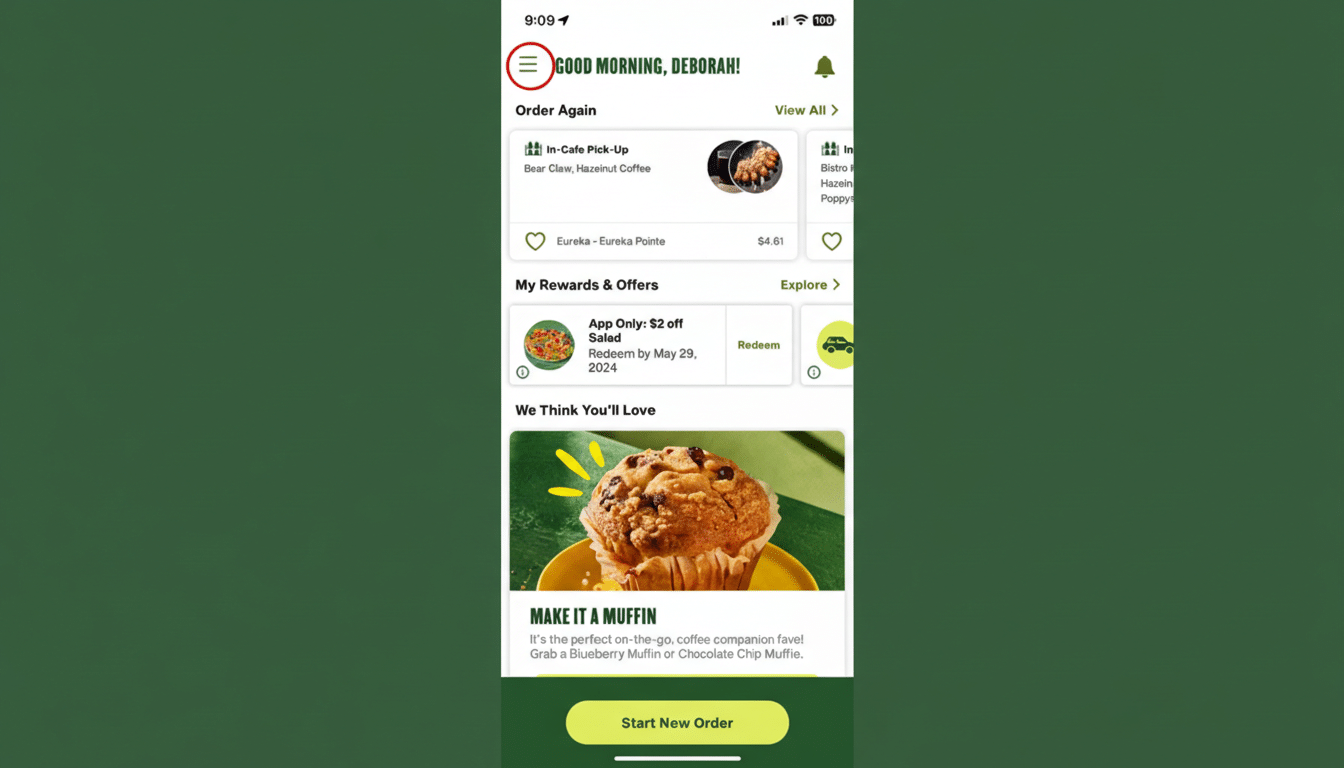
The restaurant sector is especially exposed: high user churn, ubiquitous mobile apps, and heavy reliance on loyalty platforms create a broad attack surface. IBM’s Cost of a Data Breach report places the average global breach in the multi-million-dollar range, and customer-facing industries often pay more due to notification costs, fraud monitoring, and reputational damage that depresses repeat purchases.
A Campaign Beyond One Brand Signals Wider Threats
ShinyHunters has claimed involvement in multiple recent intrusions against consumer platforms, including companies in online dating and business data services. The group is known for monetizing access quickly, either by selling databases in underground markets or releasing samples to pressure victims. Security researchers say the group’s tradecraft often blends social engineering with opportunistic abuse of identity tools.
For defenders, that means the blast radius can extend across vendors and affiliates that share identity infrastructure. The Register has reported that token theft and SSO abuse are common threads, while government advisories from CISA and the FBI have urged tighter controls around identity providers, federation, and session management.
What Panera Customers Should Do Now to Reduce Risk
- Reset your Panera password and ensure it is unique. If you reused that password elsewhere, change it on those accounts as well.
- Enable multi-factor authentication wherever available, preferring app-based codes or passkeys over SMS. If Panera offers passkeys or physical security keys, adopt them.
- Watch for targeted phishing referencing Panera orders or loyalty points. Treat unsolicited links and attachments as suspicious, and navigate directly to official apps or websites.
- Consider placing a fraud alert or credit freeze with major credit bureaus if you see signs of identity misuse. Monitor account statements and loyalty balances for unusual activity.
What Companies Can Learn from the Panera Data Breach
Identity is the new perimeter. To reduce risk, enterprises should deploy phishing-resistant MFA, segment administrative accounts, enforce conditional access by device and location, and adopt just-in-time privileges. Recording help desk calls, validating callbacks, and training staff to escalate suspicious requests remain vital in countering voice-led social engineering.
Equally important is rapid containment: centralized logging around identity providers, automated session revocation, and rehearsed incident response can shrink dwell time. Vendor assessments should scrutinize SSO configurations, token lifetimes, and downstream integrations that may inherit trust without adequate verification.
As details emerge, Panera’s breach shows how attackers continue to pivot from perimeter exploits to identity abuse. For consumers and companies alike, the immediate priority is the same: limit the usefulness of stolen data and make the next step in the attacker’s playbook as difficult as possible.
