


Amazon has the Shark AI Ultra AV2501S robot vacuum on sale for $249.99, a significant reduction from its list price of $549.99. That’s 55% off and $300 in savings on a self-emptying, LiDAR-mapping bot that seldom falls this low.
At that price point, you get a bagless self-empty base that can contain 30 days’ worth of debris, Shark’s Matrix Clean Navigation technology for multi-pass coverage, and HEPA filtration made to capture 99.97% of dust and allergens as small as 0.3 microns.
- Why This Discount on Shark AI Ultra Vacuum Is Significant
- Key Specs and Features of the Shark AI Ultra That Matter
- Performance and real-world notes from everyday cleaning
- Competitors and alternatives at similar price points
- Who should buy the Shark AI Ultra robot vacuum right now
- Bottom line on the Shark AI Ultra AV2501S deal today
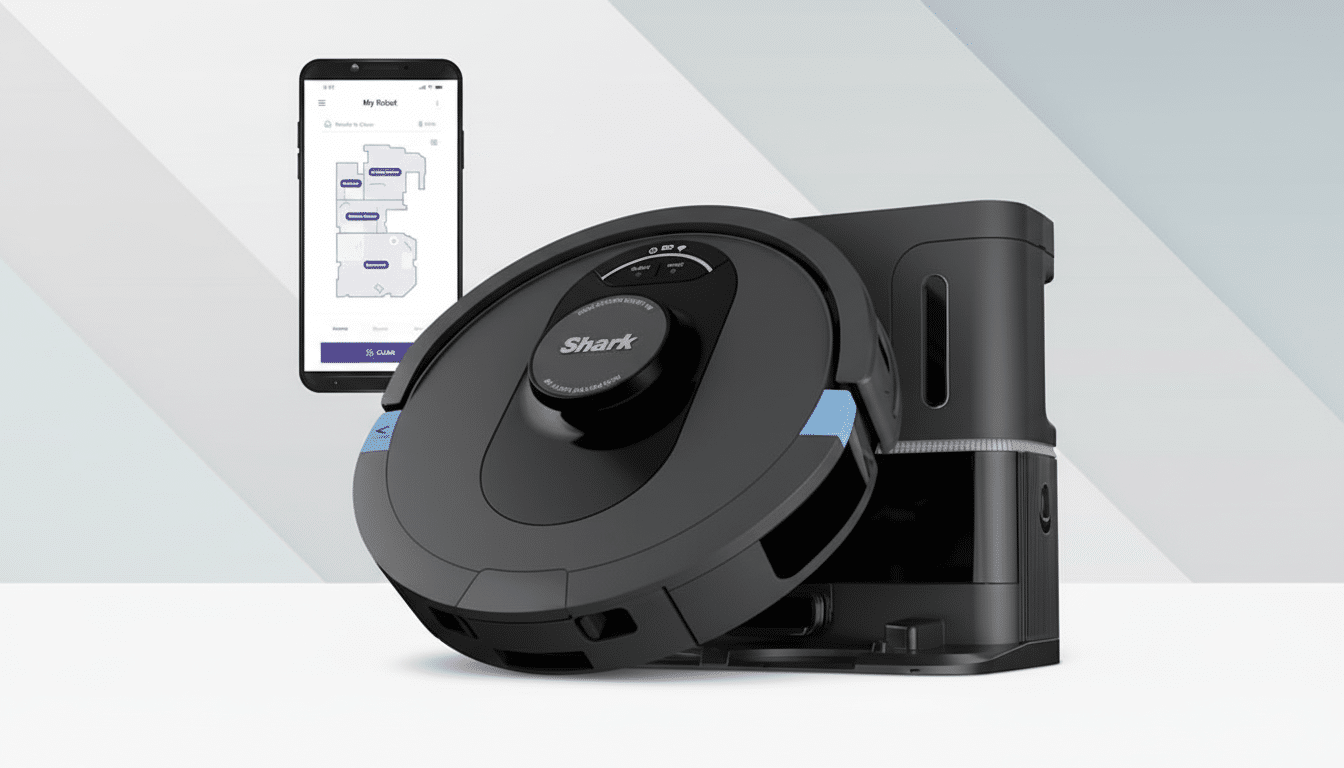
For homes laden with pets or for anybody who’s dust-sensitive, it’s a combination of features that’s hard to turn down.
Why This Discount on Shark AI Ultra Vacuum Is Significant
Robot vacuums with self-emptying tech typically live upwards of $400–$800, and deals hover around $299–$399 for similar models. While the AI Ultra for $249.99 is still expensive, it’s also among the best deals we’ve seen yet for a LiDAR-equipped, self-emptying robot vacuum with name-brand backing.
Another value driver is hidden behind the bagless base itself. Nine times out of 10 that costs extra; typically, those are bags you throw away (and generally pay for more). Some other competing bases use control units that require disposable bags, which can add recurring costs (typically in the ballpark of $15–$25 per 3-pack). Shark’s configuration reduces the lifetime costs while still passing debris through HEPA filtration when it is docked.
Key Specs and Features of the Shark AI Ultra That Matter
- Matrix Clean Navigation: For a more thorough clean, the AI Ultra goes over its cleaning grid in overlapping patterns, ensuring it cleans your floors more often. Reaches deep into carpets and hard floors: The main brush lifts dirt from floors, particularly deep carpet, while powerful suction carries messes away. In reality, that translates to fewer “misses” and manual touch-ups.
- 360-degree LiDAR mapping: A laser on top of the robot scans a room at 300 RPM to create room maps in seconds. This laser keeps the bot moving accurately, even in the dark, so it can work nights without needing its camera. LiDAR bots also tend to draw straighter lines and navigate complicated floor plans with more grace.
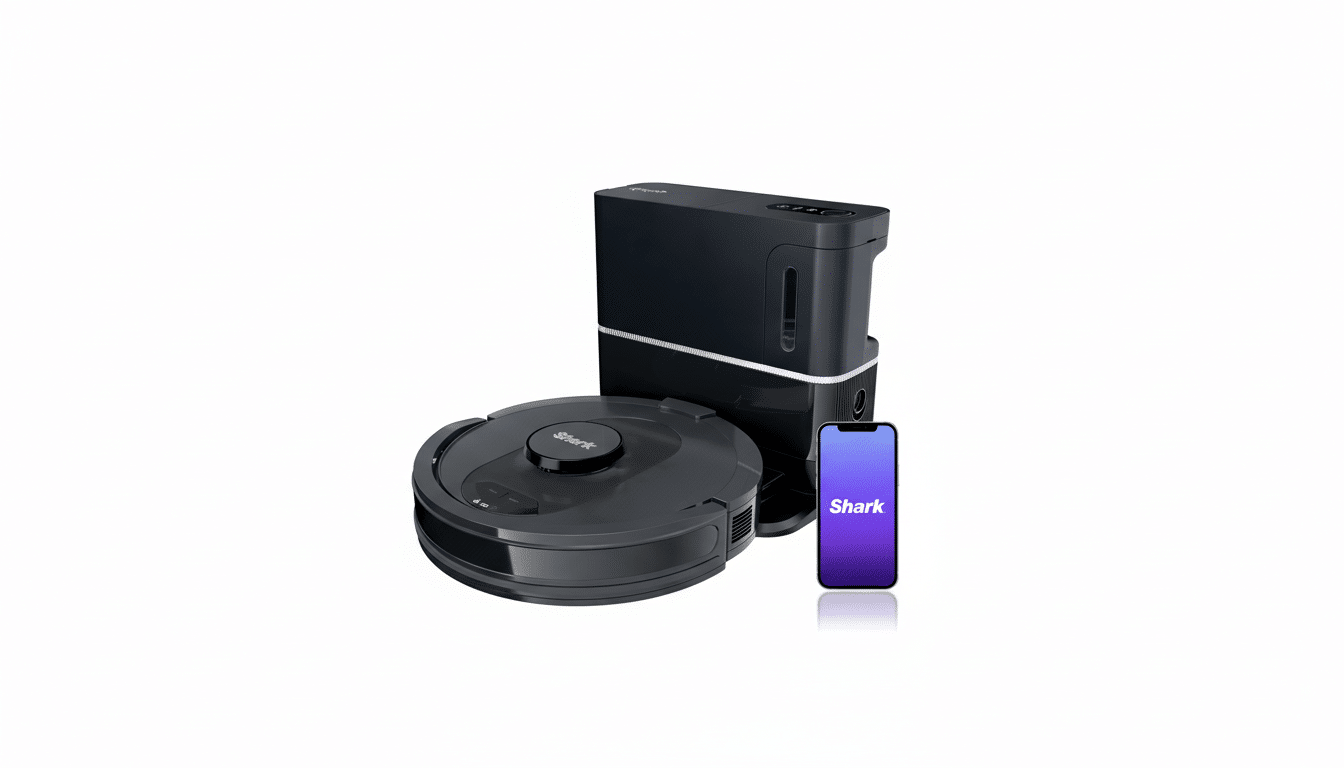
- Self-empty, HEPA-filtered base: The robot auto-empties after each run into a sealed bin that holds about one month of average debris. HEPA filtration at the base captures tiny particles normal bins would puff back into the room.
- Smart controls and mapping: Shark offers a Wi‑Fi–connected app to allow you to schedule future cleaning sessions and use traditional remote-control features. Voice control through Alexa or Google Assistant is handy for starting the vacuum or telling it to go to certain rooms when your hands are full.
- Recharge-and-resume: The robot automatically returns to the base, recharges, and then resumes cleaning where it left off—ensuring your robotic vacuum completes the job.
Performance and real-world notes from everyday cleaning
Multi-pass coverage and a self-empty base in pet homes are something you can feel further down the line. Instead of nursing a small onboard bin through the day, you can run daily schedules and leave the dust bunnies to the dock. Reviewers at big outlets, including Consumer Reports and the New York Times’ product team, have consistently cited self-emptying docks as among the smartest quality-of-life upgrades to robot vacuums.
LiDAR assists straight-line throughput and dark-room operation, but no robot is perfect. Low, pliable barriers (phone chargers, shoelaces) still call for a pre-clean tidy. As with most docks, emptying is noisy for a few seconds, and edge cleaning may take a second pass in high-traffic areas. Regular maintenance—popping hair off the brushroll and changing filters on time—keeps suction and air quality steady.
Competitors and alternatives at similar price points
Compared with price peers, the AI Ultra is a looker. The Roomba i3+ EVO, iRobot’s robot vacuum, often falls to somewhere between $299 and $399 and includes a bagged Clean Base that comes with ongoing costs but does an excellent job at hands-off debris disposal. Among Shark’s rivals, Roborock’s Q5+ and Eufy’s X8 series offer stronger navigation and higher-capacity docks, but usually cost hundreds more than this Shark price point.
Feature-wise, the Shark’s LiDAR mapping and bagless base provide a practical edge to some budget-conscious buyers. If you desire mopping or fancy obstacle cameras, you’ll be venturing into pricier 2-in-1 models. This hits a nice sweet spot for hands-off, vacuum-only cleaning.
Who should buy the Shark AI Ultra robot vacuum right now
Pet owners and allergy sufferers, as well as households with a lot of foot traffic that want an automated floor routine without frequent bin emptying, will benefit the most. Room mapping, targeted spot cleans, and recharge-and-resume coverage are all useful features in apartments and multi-room homes.
If you want a single gadget that vacuums and mops, there are dedicated 2-in-1 systems. For best-fit situations: if all you want is a decent but low-maintenance vacuum and don’t mind paying less for one, it’s hard to beat the AI Ultra at $249.99. Prices and availability are subject to change. Check current stock and shipping dates, as well as return policies, before placing an order.
Bottom line on the Shark AI Ultra AV2501S deal today
A LiDAR-mapping, smartphone app–enabled, self-emptying Shark at $249.99 is a standout price.
Now available for 55% off and a $300 price drop, the AI Ultra AV2501S provides top-tier convenience and good-enough cleaning performance you can bank on at a budget-friendly price.
