


Samsung’s Android-based mixed reality headset, which goes by the code name Project Moohan, is now all set for an online-only reveal following a behind-the-scenes change of plans. The shift raises a new question for fans and investors alike — where does this leave the long‑rumored tri-fold device that has been making its way around the leak mill?
What changed with Project Moohan’s launch timeline
Industry sources tell ET News that Samsung has delayed its reveal to later in the schedule to cement marketing plans and run more quality assurance tests. The launch will be complete with all the features and specs, as sales are said to start shortly after. The final variable that hasn’t been confirmed yet is regional availability — the company hasn’t said which markets will receive the first wave.
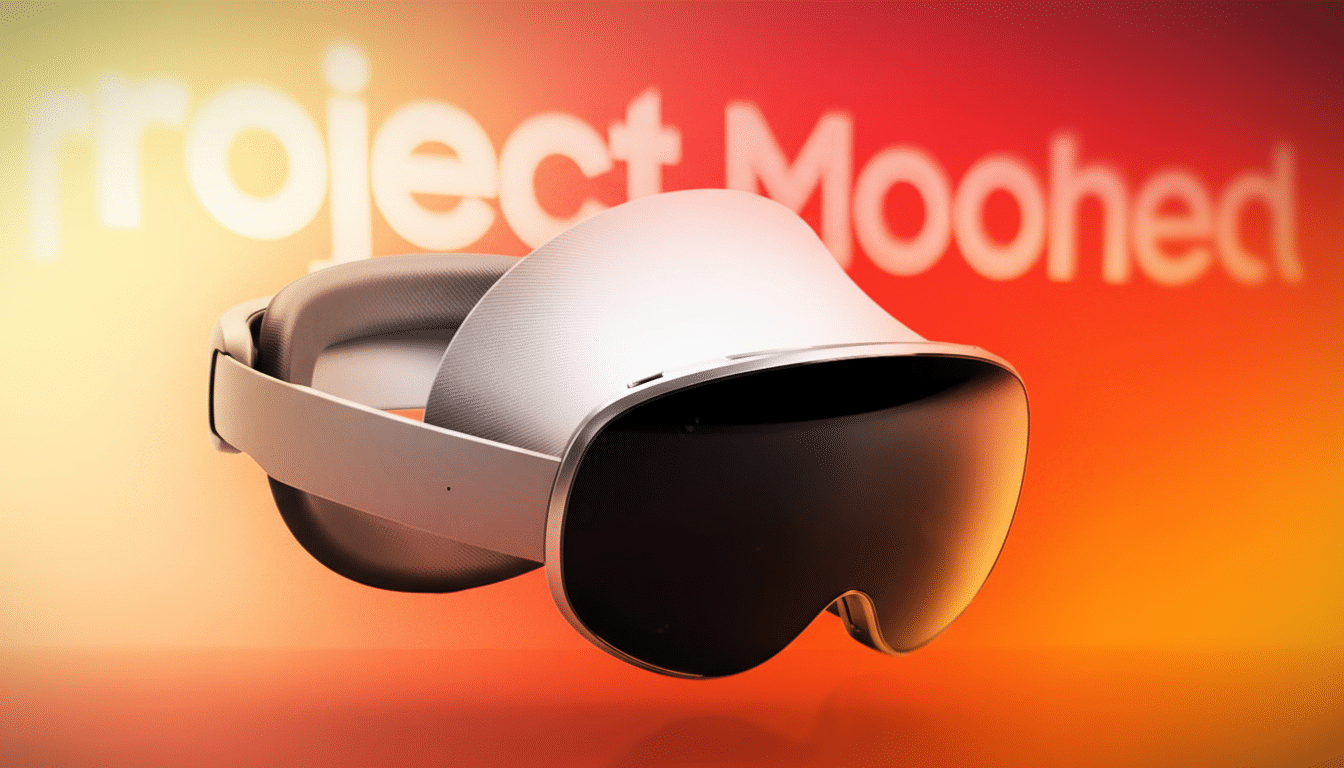
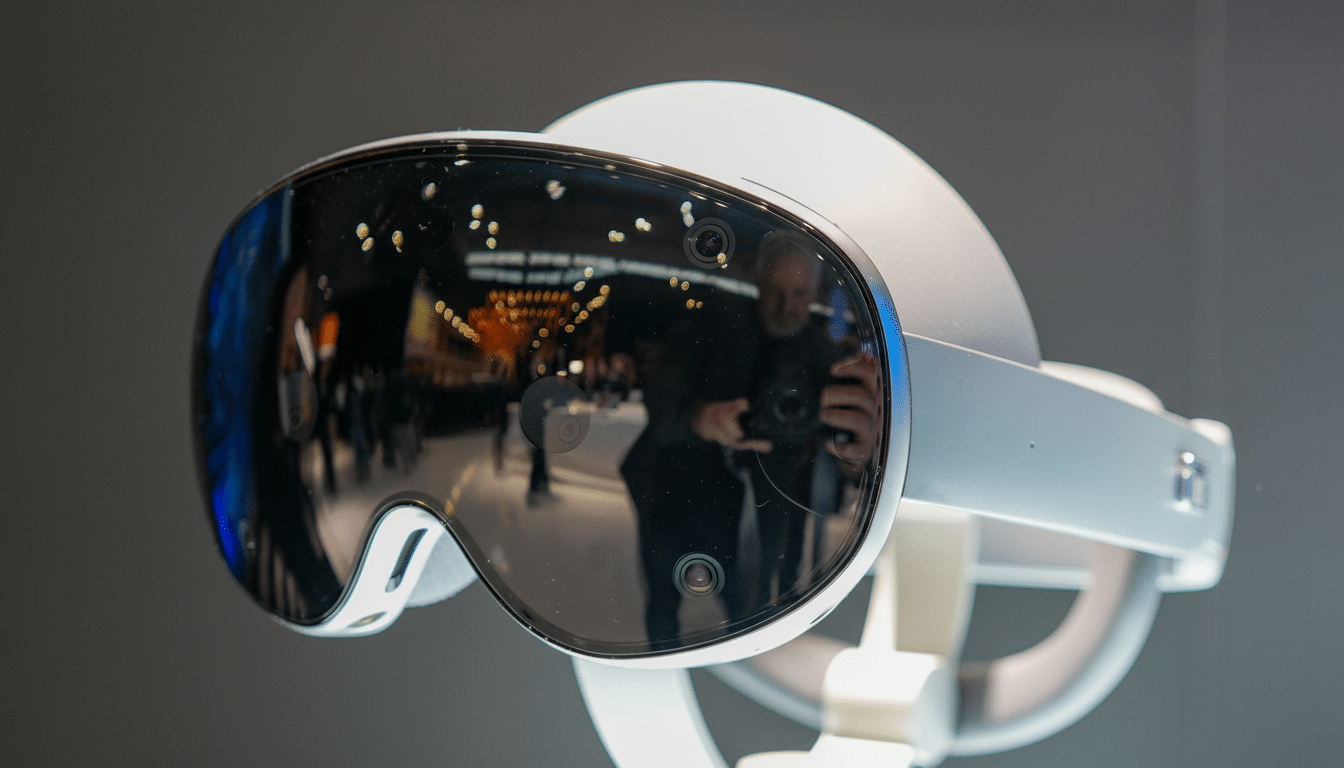
The launch will be streamed instead of a physical show — a move that lets Samsung control the messaging while cranking up production behind the scenes. Early demos seen by industry watchers tout premium build quality, comfortable fit, and controller-free tinkering using gaze direction and hand gestures, suggestive of a device aimed at the human experience, set to rival best-in-class mixed reality experiences on the market.
Production prospects and market bets for Samsung XR
ET News claims that Samsung will be ready to produce an initial run of somewhere in the six‑figure range and will have wiggle room with which to adjust shipment numbers depending on demand. That conservative start is in line with how premium XR hardware tends to emerge: Establish use cases — get early adopters their device, validate use cases and scale once content and enterprise interest locks in.
Context matters. Research firms like IDC and Counterpoint have called the XR category a single‑digit‑million‑unit annual market in recent cycles, with Meta taking the largest slice and premium entrants edging average selling prices higher. In other words, it’s not volume that is the win in the near term — it’s momentum. Get the comfort, optics and latency perfect — not to mention the Android and Google services strength — Samsung already knows how to create value when nobody is in the room.
Software is the tiebreaker for lasting XR engagement
Polishing hardware is table stakes; long-term engagement comes from software. “Partnering in this way with Samsung and Google would imply a highly integrated relationship, leveraging an Android‑based XR stack that could deliver simplification around sign‑in, payments and media access. System‑level hand‑ and eye‑tracking, spatial anchoring, and Google comforts that you already know will be at the heart of the pitch.” The big question: will there be launch must‑have apps that show daily utility past the demo?
Developers will need to look for an integrated SDK, strong pass-through APIs, and a clear road to monetizing spatial apps. If Samsung can deliver a reliable “outside‑in” view, with crisp text and low motion latency, that improves the chances for productivity scenarios, from virtual monitors to collaboration tools — all spaces where mixed reality can argue for a premium price.
Where the tri‑fold fits in Samsung’s product roadmap
ET News also mentions Samsung has reserved its tri‑fold device for display at a different exhibition. That division is strategically sound: with each, the object needs to be in a different focus. It also appreciates the engineering leap required to make a dual‑hinge phone‑tablet hybrid. A tri‑fold introduces several more crease lines, compounding hinge tolerances, and a thicker stack of sheets — and all the more so if we’re trying to use Ultra Thin Glass and protective coatings across two fold axes.
Thermals, battery sharing and weight distribution get increasingly more complicated with three panels. On the software front, maintaining continuity across three such aspect ratios and various fold states demands careful UI rules, windowing behaviors and app guidance. We’ve seen prototypes from panel makers like Samsung Display and concepts from TCL that demonstrate feasibility; the challenge is to turn that into a durable, mass-market product with compelling use cases beyond “bigger screen.”
Pricing will be pivotal. Tri‑fold hardware may be able to coexist above today’s ultra‑premium foldables, however, limiting the early-adopter audience to those enthusiasts and professionals who can make meaningful use of multi-panel multitasking, stylus input, and large-format media. Which is part of why an announcement and targeted marketing story would be even better.
What to watch next for Samsung’s XR and tri‑fold plans
- On Project Moohan: Hunt for signs around content partnerships, developer tooling and the quality of color passthrough — three things that mark off hype from habit‑forming utility. Certifications and carrier partnerships may also suggest regional rollouts and enterprise plans.
- For the tri‑fold: Take note of hinge language, malleability claims about the glass, and how Samsung positions everything software-wise. A concise story for productivity and simplicity when transitioning from one fold state to another would indicate the device is not just a showcase of panel engineering.
The takeaway: Samsung’s XR headset is back on deck by way of an online reveal, while the tri‑fold is waiting to be queued for its own spotlight.
If Samsung can match top‑end hardware with a sensible‑enough software story, it could help shape two of the year’s most‑watched categories — from spatial computing to the next frontier for foldables.
