


Samsung’s Ultra badge is leaving smartphones for the living room. The company has teased the Bespoke AI Jet Bot Steam Ultra, a flagship robot vacuum that leans on high-heat steam sanitization, computer vision, and a beefed-up drive system—clear signals that Samsung plans to challenge the top end of the home-cleaning market.
What Samsung’s Ultra Vacuum Promises for Cleaning
The headline feature is a 100°C (212°F) steam function that applies heat to the mop pads rather than directly onto flooring. That design choice aims to deliver sanitization without soaking hardwoods or vinyl. While many premium bots offer warm-water pad washing in the dock, true on-board steam during cleaning is rare and could be a differentiator for stubborn, sticky messes.
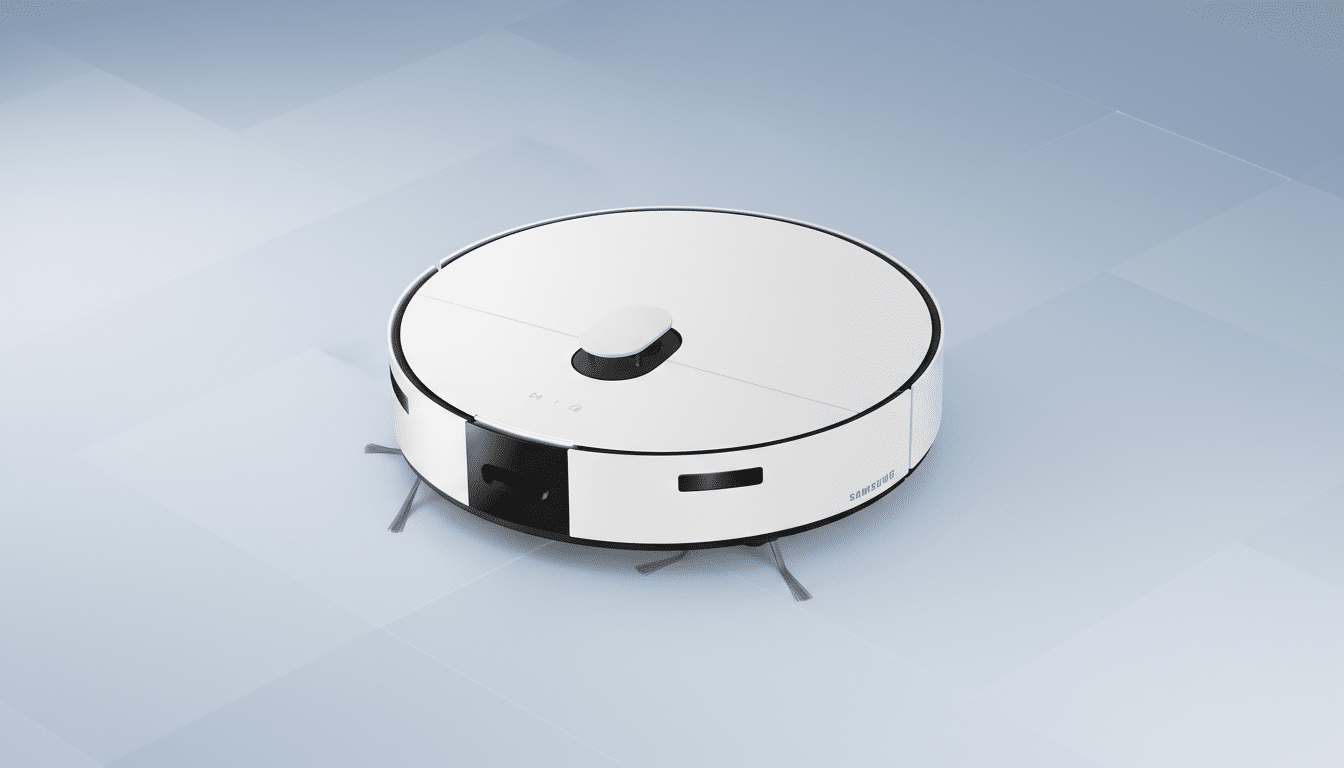
Navigation appears to be powered by AI object recognition, a step beyond generic obstacle avoidance. In practice, that should mean fewer collisions, smarter pathing around cables and pet toys, and better decision-making in complex rooms. Samsung is also touting a pop-out edge brush, designed to sweep into corners and along baseboards where debris often escapes round-bodied robots.
Another standout: an EasyPass Wheel system rated to climb obstacles up to 4.5 cm (about 1.8 inches). That’s noticeably higher than many competitors that top out near 2 cm, and it could help the bot transition onto thick rugs, raised thresholds, or uneven tiles without getting stuck.
How It Stacks Up Against Rivals in the Premium Tier
At the high end, the field is crowded with do-it-all flagships like Roborock’s S8 MaxV Ultra, Ecovacs’ Deebot X2 Omni, Dreame’s L20 Ultra, and iRobot’s Roomba Combo j9+. These models tout self-emptying docks, pad lifting to keep carpets dry, and ever-improving AI avoidance. Most offer hot-water mop washing in the dock—some up to around 60°C—but not true 100°C steam applied during the cleaning pass. If Samsung’s approach proves reliable and safe across surfaces, it could set a new performance bar for sanitization.
Climbing capability is another potential win. A 4.5 cm rating nearly doubles the typical spec, which matters in older homes with tall thresholds or layered rugs. On the flip side, higher climb power must be balanced with precise carpet detection and pad-lift logic to avoid wetting soft surfaces. That’s become table stakes for premium bots and will be closely scrutinized here.
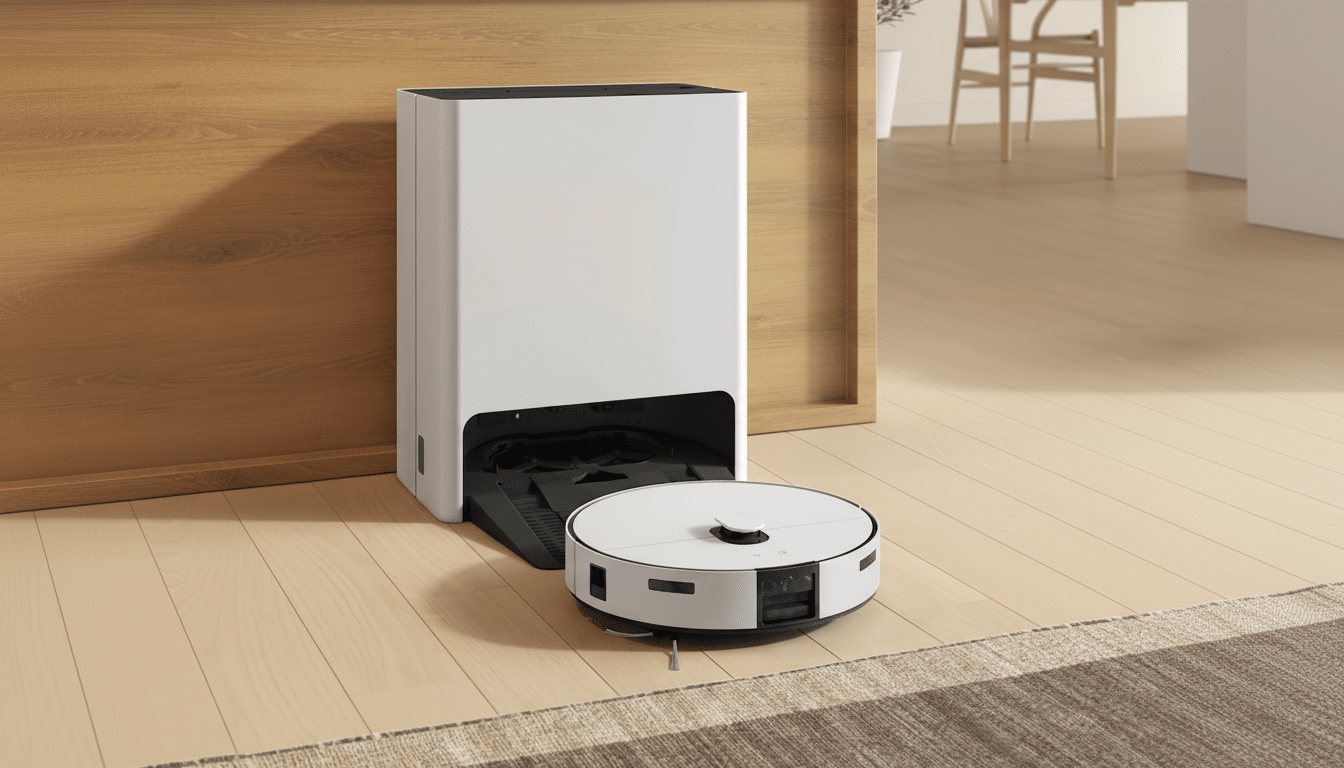
Pricing will define the competitive picture. Current all-in-one flagships frequently sit between $1,200 and $1,800. Given the “Ultra” branding and feature set, expectations will skew toward the top of that range. According to Grand View Research and other market trackers, the robotic vacuum category has been expanding steadily, with premium models capturing outsized share growth as households upgrade for convenience. If Samsung pairs standout hardware with a polished dock experience, it could lure buyers already in the brand’s ecosystem.
AI And Privacy Take Center Stage for Smart Home Bots
Samsung is emphasizing privacy and security—an increasingly important checkbox for camera- and lidar-equipped robots mapping your home. Past incidents in the industry, including widely reported leaks of test images covered by technology publications, have put a spotlight on how visual data is processed and stored. Samsung has a long track record with device security on phones and TVs, and bringing similar rigor—on-device processing where possible, encrypted maps, and transparent data controls—would resonate with cautious buyers. Advocacy groups like the Mozilla Foundation have also urged clearer privacy labeling for smart home devices; expect Samsung to lean into that conversation.
Launch Signals And Availability Timeline To Watch
Beyond the teaser, there are strong signs the launch is near. Industry watchers noted that Samsung cleared inventory of several Jet Bot models in the US, a classic pre-release move. The Jet Bot Steam Ultra has also been shown at major trade shows including IFA and CES, indicating the hardware is close to market readiness. Samsung hasn’t shared pricing or an on-sale date, but the cadence suggests a formal reveal and retail rollout could follow quickly.
Integration with SmartThings is virtually a given. Expect room-specific routines, no-go zones, and voice controls via Bixby and other assistants. If Samsung ties the vacuum into its broader appliance lineup—think synchronized cleaning schedules with air purifiers or washers—it can sell the idea of a home that coordinates itself, not just a gadget that vacuums.
Why It Matters For Samsung And The Premium Robot Market
Robot vacuums have moved from novelty to necessity for many households, and adoption keeps growing across key markets, according to consumer research firms. By pushing steam sanitization, higher obstacle handling, and AI navigation under the Ultra label, Samsung isn’t just adding another robot to the shelf—it’s signaling a bid to lead the premium tier. For buyers already invested in Galaxy devices and SmartThings, the Bespoke AI Jet Bot Steam Ultra could become the most compelling way to extend that ecosystem to floors and carpets.
