


Samsung is putting the Galaxy S26 Plus back on the roadmap, hinting at a re-routing from ultra-slim obsession toward a balanced flagship future. Reporting from The Elec, a new internal project called M Plus has been joined to existing S26 projects, hinting at the return of a renewed Plus model following earlier rumors we’d see an Edge-branded device instead.
The decision is said to come in response to weaker-than-anticipated sales of the Galaxy S25 Edge. Supply chain sources speaking to The Elec claim the Edge’s initial production plan is in the low 300,000-unit range versus the low 500,000-unit planning window of a Plus model. In other words, Samsung is not yet convinced that the slimmer, design-focused model could attract a reliably larger audience than a feature-matched Plus device.
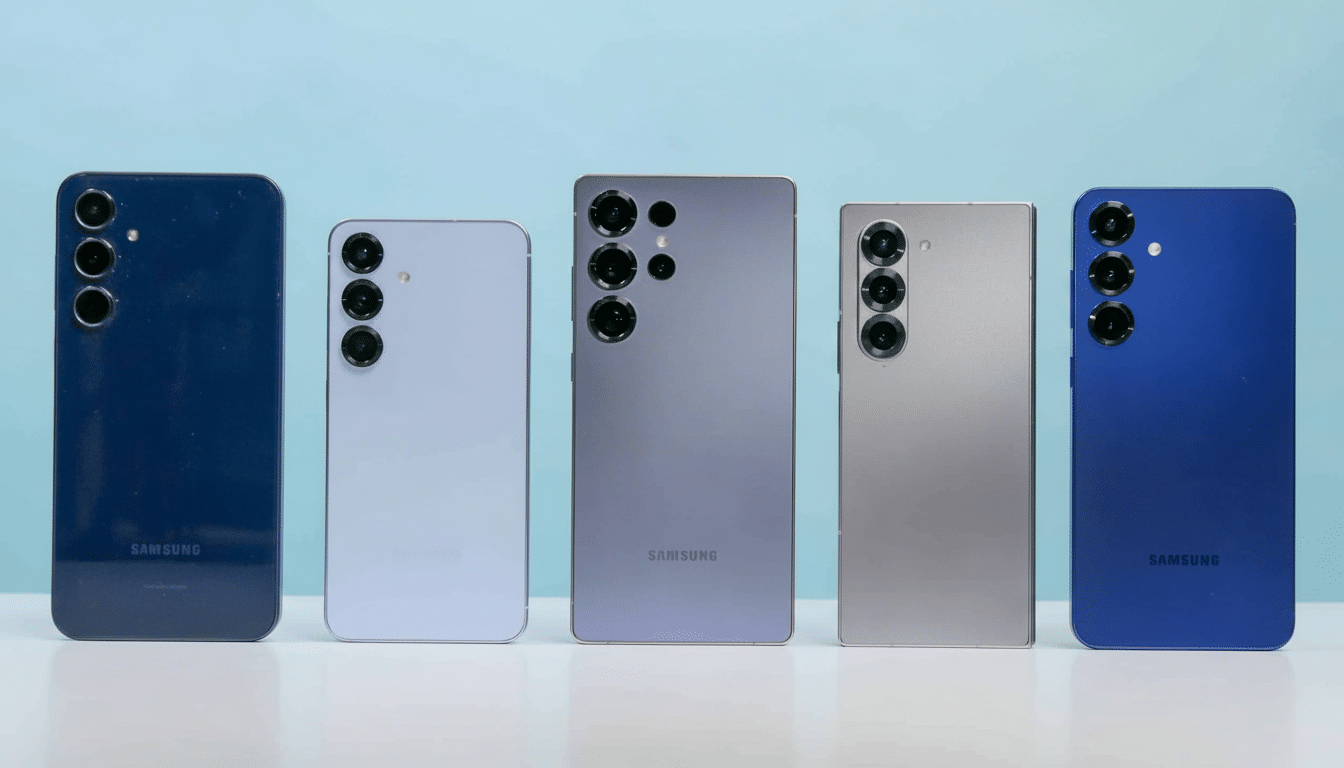
Thin designs aren’t winning the day for Samsung
Thin phones look good on marketing slides, but engineers pay for every shaved millimeter. Batteries shrink, heat dissipation becomes worse, and camera islands don’t leave room for larger sensors or periscope optics. As mobile AI capabilities stretch the envelope, and camera pipelines become more computationally demanding, sustained performance and thermal headroom are just as important as burst speed.
Samsung’s edge-branded devices have also long been associated with curved screens and slick profiles. That styling can make for comfortable seating, though it frequently shoves design toward more restrictive internal volumes. A Plus variant, on the other hand, generally has room for more capacious batteries, beefier thermal solutions, and flatter displays that many users now consider more optimal not only from an ergonomic standpoint, but also as far as laying a screen protector is concerned. Take the current S24 Plus, for example, which is beloved among power users precisely because it hits that sweet spot between size, battery life and price — just without the Ultra’s girth.
Industry data supports the calculus. Premium phones are taking a larger share of shipments — and a commanding share of revenue, says Track Research, as buyers flock to devices that last longer on battery and deliver consistent performance over the term of their ownership. IDC has also noted that, as replacement cycles expand, consumer wallet votes are cast more in favor of battery life and camera quality than with pure thinness.
Four-Phone Strategy Is Back On The Table
M Plus is now joined at the internal table by three existing S26 projects, internally dubbed M1, M2 and M3, according to The Elec. Industry gossip has pegged these with a Pro, Edge and Ultra moniker, respectively, but Samsung’s actual naming typically changes late in the development cycle. Should all four go out, Samsung would have a much broader range of price points and feature sets to offer, from design-first to performance-driven and everything in between.
All that breadth is not mere shelf dressing. Carrier partners prefer SKUs with mass-market appeal and predictable demand curves, while supply planners can mitigate risk if one “halo” product doesn’t sell as expected. Historically, the Ultra models grab attention, the base model sells volume, and the Plus is in between as a pragmatic choice. The return of the Plus implies that Samsung needs a safety net should an Edge, thin-before-anything-else model not play well with others in the sandbox.
What a resurrected Galaxy S26 Plus could deliver
Look for a playbook of stamina and stability. With above-base battery size, a flat high-refresh display and a thermally savvy chassis, Samsung would have more leeway to unmask more sustainable performance from next-gen silicon. It’s also what keeps camera compromises in check, allowing for a larger sensor and reliable optical zoom without aggressive crops or spikes in heat draw under load.
Positioning-wise, the Plus sits below the Ultra, while giving you a bit more headroom than a design-led Edge. For most buyers, that may be the sweet spot: long battery life, great cameras, and fast charging without having to pay premium pricing or deal with the Ultra’s size, but also avoiding trade-offs made on a model designed thin.
The bigger market signal behind Samsung’s move
And the move contrasts with a larger industry flirtation with ultra-thin designs. There are rumors of other brands messing with the same sort of things, while Chinese OEMs more often than not release style-focused lineups that include sub-8mm designs. Sure, those can be gorgeous-looking phones, but in mass-market flagships, it’s usually endurance and thermals that prevail.
Reviving the S26 Plus makes sense as a wager that practicality sells. As mobile AI scales, camera stacks grow bolder and consumers demand multi-day reliability, a few extra tenths of a millimeter might be well spent. Timelines for development can still change, although for now, the message from Samsung is clear: it’s not a case of thin at any cost; balance is.
