


The 32-inch Samsung Odyssey G8 QD OLED gaming monitor is now selling for a low $769.99, down from an MSRP of $1,299.99 on Amazon. That’s a savings of $530, or 41% off, on one of the most sought-after 4K 240Hz panels around—an aggressive discount that comes in lower than usual deals we’ve seen across leading outlets.
Why This Sale Is Exceptional for High-End 4K OLED Monitors
4K 240Hz OLED monitors, which largely resided north of the four-figure mark, have reigned since last year’s rush of launches. You’ve had competitors such as Alienware’s 32-inch QD OLED and MSI’s 32-inch QD OLED go on sale for around $899–$999 a lot, if the reviews I’ve read are anything to go by. And when you see the Odyssey G8 dip so far under that threshold, it really becomes one of the most compelling value plays in high-end displays right now.
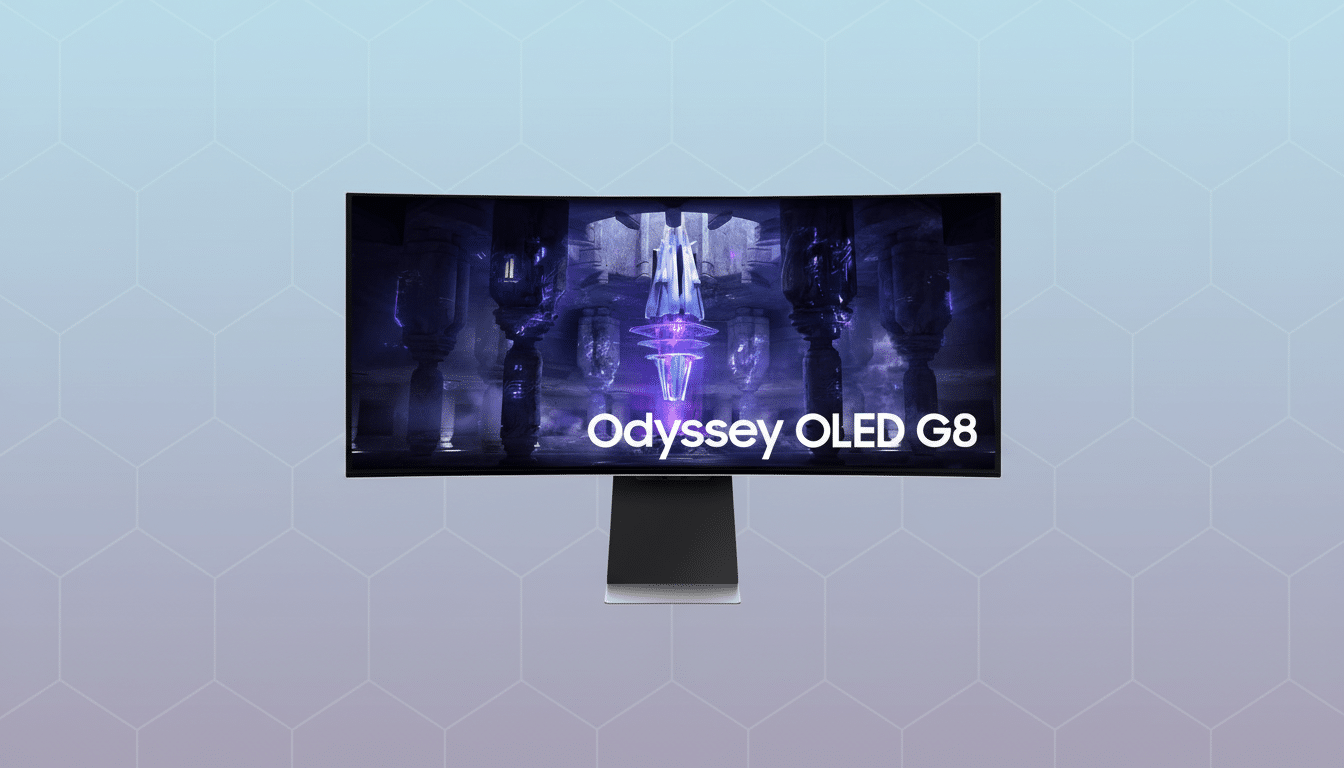
If you’ve been wanting a proper flagship panel to drop into the upper-midrange of GPUs, now is the time. The discount effectively brings QD OLED image quality and 240Hz motion clarity into the same price discussion as many 1440p IPS alternatives.
Key Specifications That Matter Most for PC and Console Gamers
The Odyssey G8’s QD OLED panel boasts per-pixel dimming for inky blacks and high contrast, to go with the vivid color volume you’ve come to expect from quantum dots. Glare isn’t too much of an issue here: Samsung’s glare-free coating works hard to maintain the OLED tradition of inky deep blacks, while somewhat blunting their dangerously reflective nature that could so often be a problem with glossy—read: most other—OLEDs in bright rooms.
Fast shooters and racers are buttery smooth thanks to a 240Hz refresh rate, and that 0.03ms response time (!) should keep things sharp even in the heaviest of action scenes. Variable refresh rate support includes both AMD FreeSync Premium Pro and NVIDIA G-Sync Compatible to alleviate frame pacing when performance is inconsistent.
It’s also a sweet spot for desktop gaming—32 inches is about as big as you want to go when playing with devices on either side of the monitor and not at TV-like distances. At regular viewing distance, you get crisp UI elements without any scaling headaches, and single-player experiences benefit from the extra pixel density that lower resolutions simply cannot match.
Realities of Achieving 4K 240Hz Performance on Modern GPUs
That’s a heavy lift to push native 4K at 240 frames per second. The most logical pairing for this screen is top-end GPUs such as the GeForce RTX 4080/4090 and Radeon RX 7900 XTX, particularly if you want to achieve competitive frame rates in esports games.
For big-budget, graphics-heavy games, you’ll likely have to rely on DLSS or FSR upscaling features in order to get the refresh rates up without taking a hit on quality. Industry benchmarks from reputable sources consistently have esports titles well above 200fps on high-end rigs with low settings applied, and even the most luxurious of cinematic AAA releases way down below this 240Hz glass ceiling. That’s where VRR and the panel’s ultra-low response time pay off, and motion remains smooth with minimal artifacting even as it fails to hit the target frame rate.
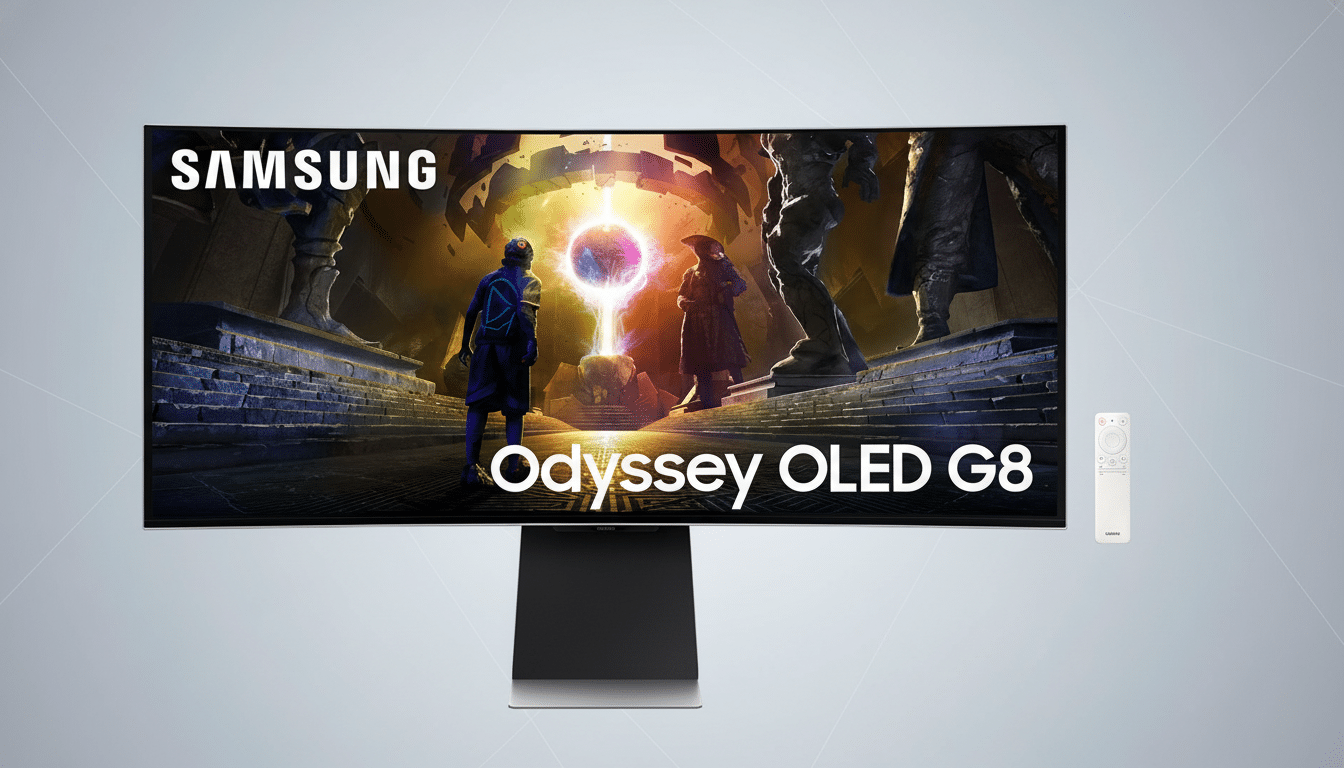
For console players, the monitor’s high-bandwidth inputs support 4K up to 120Hz with VRR, meaning it can be a great match for current-gen systems alongside PC.
Common OLED Concerns Addressed with Samsung’s Odyssey G8
QD OLED monitor manufacturers offer strong burn-in protection technologies, such as pixel shifting, logo dimming, and periodic panel refreshes. Samsung’s glare-free finish is another way the Odyssey G8 differs from those older glossy OLEDs: It keeps deep blacks—though not infinite ones, of course—black and doesn’t turn ambient light into a mirror.
Color-critical users will appreciate OLED’s sub-millisecond pixel transitions and broad gamut coverage that has already made us big fans of QD OLED when you need a display to game on, then switch over to content creation. Though specific numbers will vary per unit and calibration, the panel’s color volume and contrast performance have emerged as highlights in third-party test results across that QD OLED category.
Who This Samsung Odyssey G8 QD OLED Monitor Is Best For
If you desire best-in-class image quality and esports-grade speed, here's a rare opportunity to get both without breaking the bank. Competitive players get ultra-low latency and clean motion; single-player fans get the cinematic punch of OLED with 4K sharpness; and hybrid PC-and-console households get a display that can handle both (with plenty of headroom to spare).
Stock of heavily discounted flagship monitors never seems to hang around for too long.
Check return policies, hold on to the packaging until you have confirmed uniformity and pixel function, and act fast if this spec sheet matches your setup. The Samsung Odyssey G8 QD OLED grabs the gold as the best monitor discount right now at 41% off.
