


Samsung is said to be testing out a variable aperture camera for an upcoming Galaxy device, bringing back an idea it previously shipped and potentially going up against rival plans in the premium phone arena. It’s all the result of some whispering from trusted Weibo tipster Digital Chat Station (repeated by industry watchers at Wccftech) but suggests Samsung might bring back hardware-based depth-of-field manipulation just as rivals are rumored to be investigating similar.
What Variable Aperture Could Mean for Galaxy Cameras
Aperture is the opening in a lens that allows light to enter and hit the sensor. The wider the opening, the more light enters and the stronger the blur; the narrower it is, the less light will come in, but you’ll have more of your scene in focus. Dedicated cameras have long given superusers this control, but on most phones the aperture is fixed and computational trickery is used to fake bokeh.
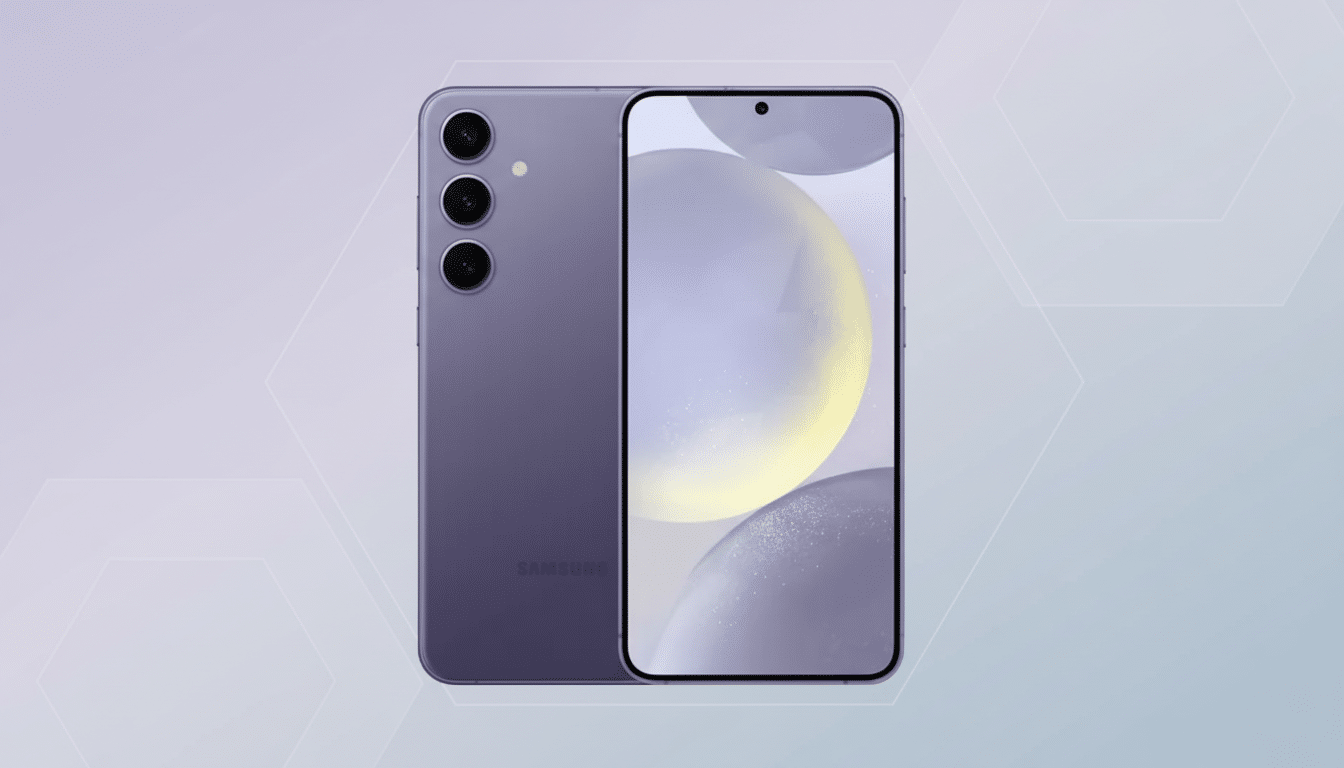
It would deliver actual, physical control over a camera feature to Galaxy phone owners without relying solely on software. In bright midday scenes, stopping down the lens can enhance detail across a landscape; for portraits, opening up introduces more natural subject separation. Most importantly, an f/1.5 aperture is capable of gathering an estimated 2.5x more light than f/2.4 and can even shift faster shutter speeds or lower ISO in challenging indoor conditions.
A Throwback with Modern Aspirations for Samsung
Samsung has done this before. The Galaxy S9 generation had a two-position aperture on its main camera, switching between f/1.5 and f/2.4. But at that point, the feature was also ahead of its software, sensors, and processing. With today’s larger sensors and more advanced HDR pipelines, along with subject detection, the same sort of thing has the potential to be far more impactful by combining optical control with better computational tuning.
The industry has also moved. Huawei brought multi-blade systems offering multiple aperture stops to its Mate and P-series models. Stepless control from wide through to narrow settings is also claimed for Xiaomi’s most recent Ultra edition. These phones show that variable aperture is good for highlight retention in the day, bokeh quality, and depth extension in a macro or food photo without any janky artificial blur.
How Samsung Might Build a Variable Aperture System
The most sensible approach would be a two-step mechanism to switch between a wider preset and a narrower one, minimizing the number of moving parts as well as thickness and power consumption. That echoes the step Samsung has already taken and helps cut risk around durability and dust ingress. Another is a Chinese-flagship-style multi-blade, multi-stop system that’ll give creators greater control over angles, though at the cost and complexity elsewhere.
Any design will have to play nice with optical stabilization, larger sensors, and periscope zoom modules. Mechanical clearances are critical in today’s camera stacks, and the further presence of components can impact yield. If Samsung does go ahead, I’d expect it to launch on a flagship model first — where camera differentiation is at its most important and the bill of materials can soak up more aggressive hardware.
The Competitive Context for Smartphone Camera Tech
Apple is rumored to be interested in variable aperture for an upcoming Pro iPhone cycle, so this is a strategic battlefield together with long-range zoom and image processing.
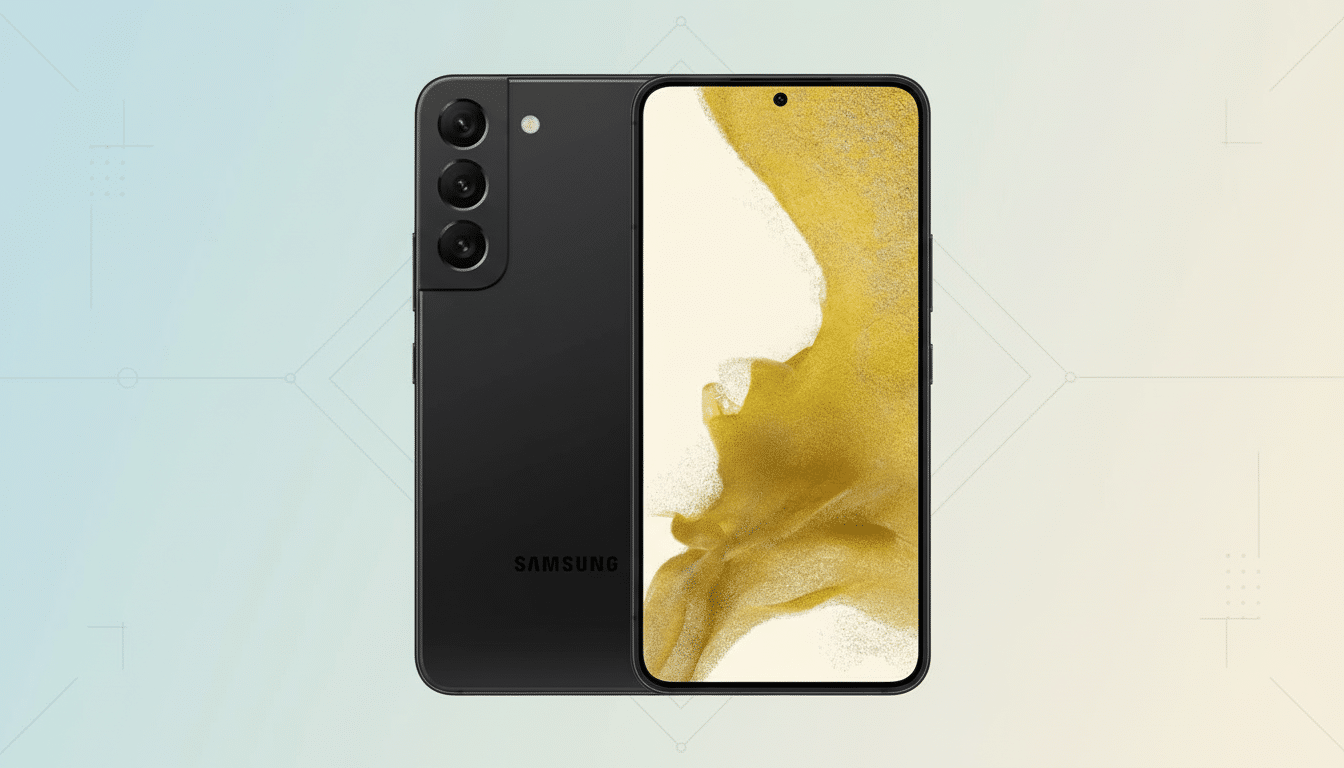
If both giants play their part, we could see variable aperture move from a niche feature to something customers expect in premium phones; as high-refresh displays or folded telephoto cameras have become after a few generations.
Third-party benchmarks and in-lab tests have shown that phones that combine high-quality optics with smart processing can produce superior results. DXOMARK, for instance, has often referred to such benefits when testing devices with sophisticated aperture systems. A Samsung re-energized to push Apple in this area would be a sign that optics, not just silicon, are back in the spotlight.
Why It Matters for Users and Everyday Shooting
Variable aperture can cut down on the need for fake blur, cut motion blur in low light (and reduce noise too) by letting in more juice, and prevent blown highlights under harsh sun by stopping down.
Videographers get another option for controlling exposure without aggressive ISO or shutter settings (noisy and stuttery, anyone?). What is clear, for the common shooter at least, is more keepers in more lighting conditions.
What We Still Don’t Know About Samsung’s Plans
The rumor doesn’t mention which Galaxy model will receive the feature, whether or not Samsung is considering a two-position or a multi-stop design, and how it will work with Portrait mode, Night mode, and Pro controls. The same source also states that Samsung is looking into broader foldable form factors, though it’s the camera system which seems the more imminent and larger play.
Until hardware materializes, consider this an informed signal more than a promise. That said, it’s about time: competitors are already toying with similar ideas, sensor sizes just keep creeping up and up, and users care less about the megapixel count than they do getting reliable results. A well-conceived variable aperture might just be the down-to-earth innovation that can move smartphone photography forward once more.
