


I spent time with Samsung’s triple-folding Galaxy TriFold, and the first impression is simple: this is the most audacious pocketable screen the company has built. It unfolds into a roughly 10-inch canvas yet collapses to phone size, blending the ambition of a tablet with the portability of a slab. It’s not a gimmick; it’s a carefully engineered swing at redefining mobile productivity.
Design and Hinge Engineering Behind the TriFold
Photos don’t capture how extreme the TriFold’s thinness feels in hand. Unfolded, the chassis measures just 3.9mm; folded, it’s 12.9mm—about 50% thicker than a traditional bi-fold in the same family. The metal frame and glass feel premium, and the twin hinge system looks and moves like the product of years of iteration.
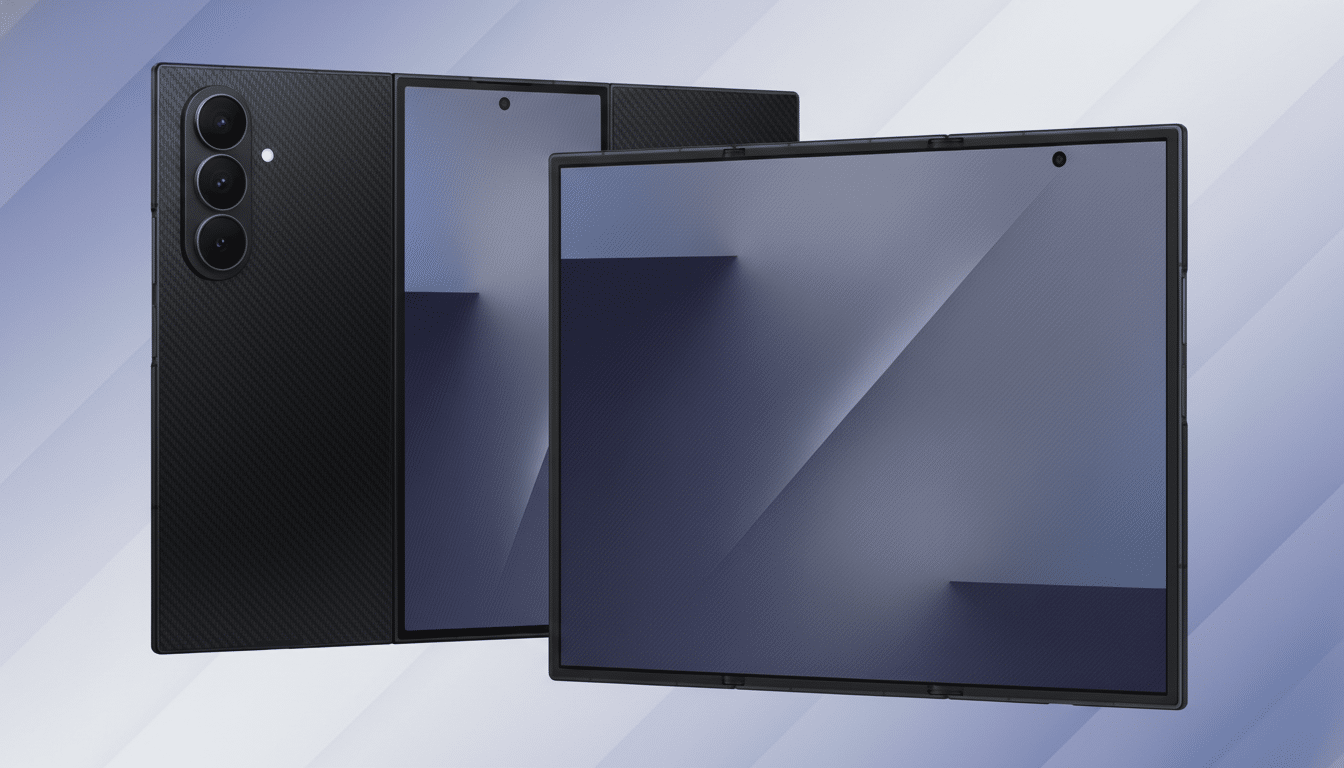
The choreography matters. To open, you pull back the rear panel first, then the inner. To close, left panel over, then right. Do it in the wrong order and subtle haptics correct you—sensors detect the sequence and nudge you before you stress the mechanism. It’s a clever, confidence-inspiring touch that acknowledges real-world fumble-fingered moments.
The inner OLED is bright, punchy, and sharp, but the two creases remain visible unless you’re looking straight on. Samsung’s latest bi-fold phones minimize crease visibility better, but here physics is tougher: three sections, more layers, more fold lines. Still, color accuracy and peak luminance do plenty to make content pop, and the expansive screen trumps the cosmetic distraction once you get to work.
Durability signals are reassuring. The phone is rated IP48, which is notable for a device with this many moving parts, and the hinge action feels both buttery and sturdy. Buttons, ports, and overall layout mirror the company’s recent foldable flagships, making the hardware feel familiar despite the new form factor.
Usability and productivity on a 10-inch tri-fold
One design decision defines the TriFold’s behavior: the hinges don’t “free-stop.” It’s either fully closed or fully open—no tent mode, no mini-laptop at 110 degrees. That means you won’t prop it on a tray table for a clamshell typing session or set it on a rock for a hands-free selfie. If you rely on those flex angles from bi-fold devices, note the trade-off.
Open flat, though, the TriFold is a mobile workstation. Samsung’s DeX transforms the UI into a desktop-like environment with resizable windows and a taskbar, and it shines on a 10-inch plane. I juggled email triage, a deck draft, and a Slack thread without the claustrophobia you get on smaller foldables. Pairing a compact Bluetooth keyboard and mouse turns it into a credible travel PC substitute in a way earlier folds struggled to match.
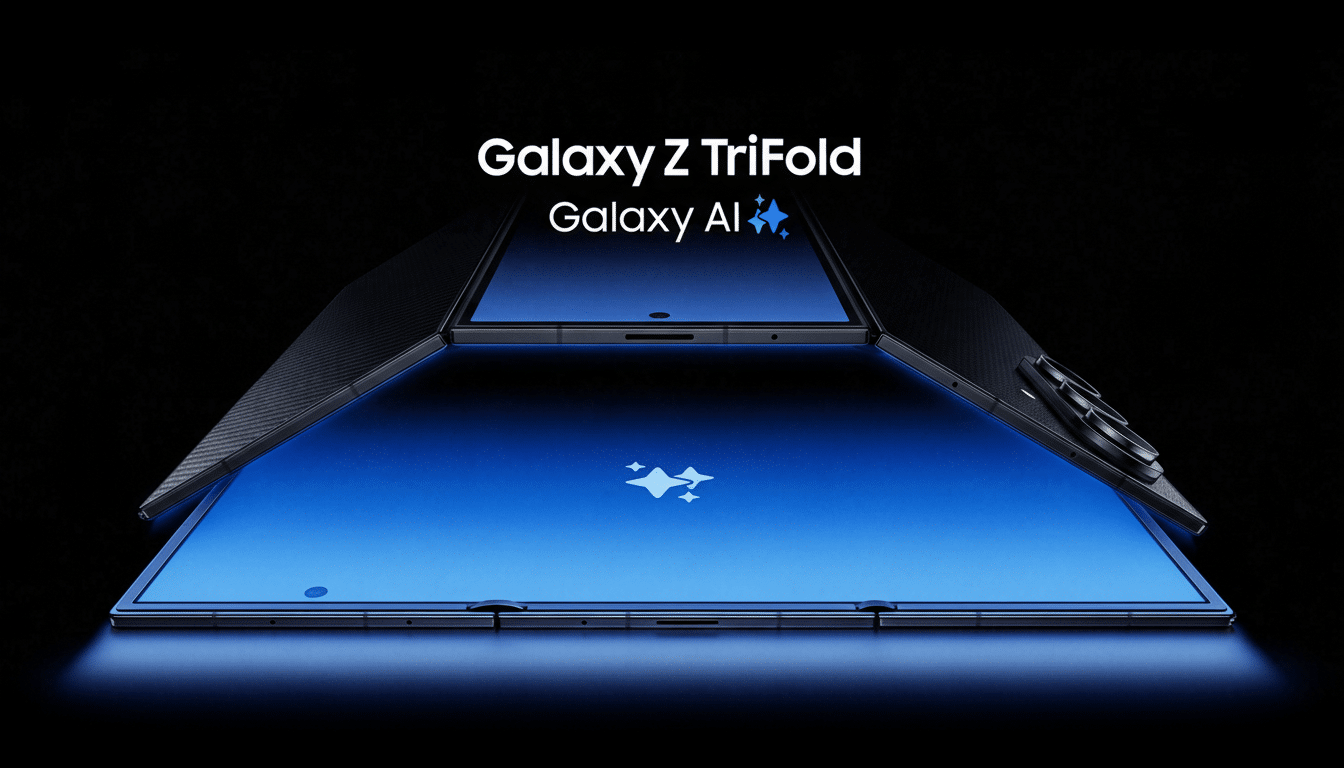
Performance headroom feels ample. This platform uses top-tier mobile silicon, plentiful RAM, and fast storage, so app juggling and AI-enhanced features run smoothly. The latest Galaxy AI tools and integrated assistants are present, and the battery is notably large for a phone, which is essential when powering a tablet-class display. Heat management stayed tame during my multitasking bursts—no thermal throttling spikes or UI stutters.
Cameras track closely with the company’s recent premium foldables, and the outer display doubles nicely as a viewfinder for high-quality selfies. The lack of a free-stop hinge reduces some creative angles, but casual vlogging and previewing shots on the cover screen is straightforward.
Where this triple-fold device fits in today’s market
The TriFold is built for the productivity-first crowd that wants a tablet in their pocket, not for flex-mode tinkerers. Expect a premium price—bi-fold flagships already hover around the $2,000 mark—so this triple-fold will likely sit above mainstream budgets. That said, companies shopping for mobile-first workflows, frequent flyers, and creators who prioritize screen real estate will see immediate value.
Context matters. Multi-fold concepts have floated for years—TCL and other display makers have shown tri-fold prototypes—but shipping at scale is the hard part. Analysts at DSCC and Counterpoint Research have noted steady growth in foldables as reliability improves and app support catches up. The TriFold pushes that curve by attempting something no major brand has delivered as a polished, near-market product.
Early verdict on Samsung’s ambitious Galaxy TriFold
The Galaxy TriFold is a technical milestone with a clear purpose: maximize screen size without sacrificing pocketability. It’s not perfect—the visible creases and lack of free-stop angles will divide opinion—but as a mobile productivity machine, it’s compelling in ways a standard phone or even a bi-fold isn’t. If Samsung can nail pricing, availability, and long-term hinge reliability, this could be the first triple-fold that feels less like a demo and more like the future.
After hands-on time ahead of US availability, my take is measured but optimistic. The TriFold changes how you think about getting work done on the move, and that’s rare in phones today. It may not be the one device to rule them all, but it comes closer than anything I’ve slipped into a pocket.
