


When most people hear the name Samsung, they think of two things: smartphones and TVs. Fewer still know this same corporate family also launches hulking ships into the world’s oceans and runs South Korea’s most visited theme park. The very odd couple speaks volumes about how South Korea’s chaebol system operates — and the extent to which Samsung’s imprints stretch well beyond consumer tech.
Analysts have long said that Samsung has an outsized role in its home economy, and with estimates from the Bank of Korea to industry participants indicating what some say is a double-digit contribution to gross domestic product, it’s hard not to see why. Beyond the smartphones are industrial might and entertainment assets that seldom make it into gadget headlines but have as much to do with supply chains and weekend plans.
A Shipyard Powerhouse Driving Advanced Vessel Orders
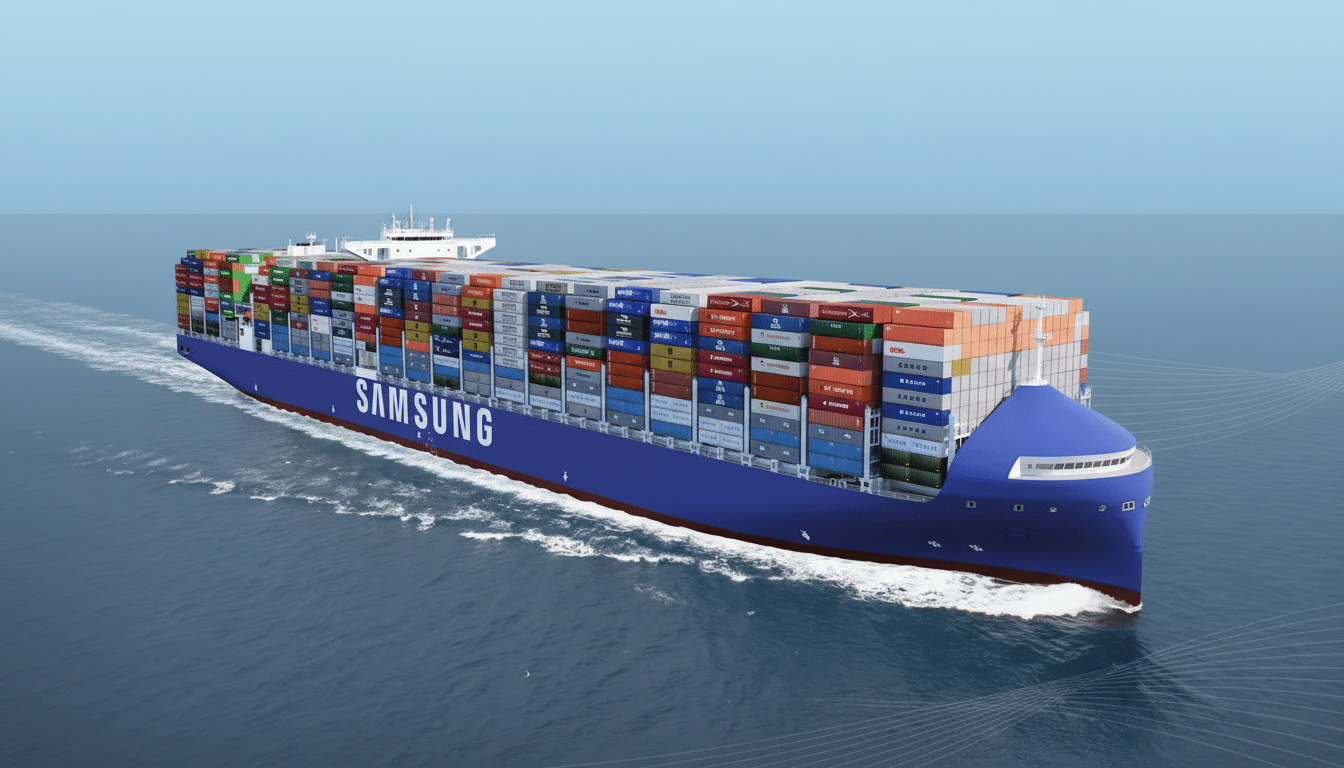
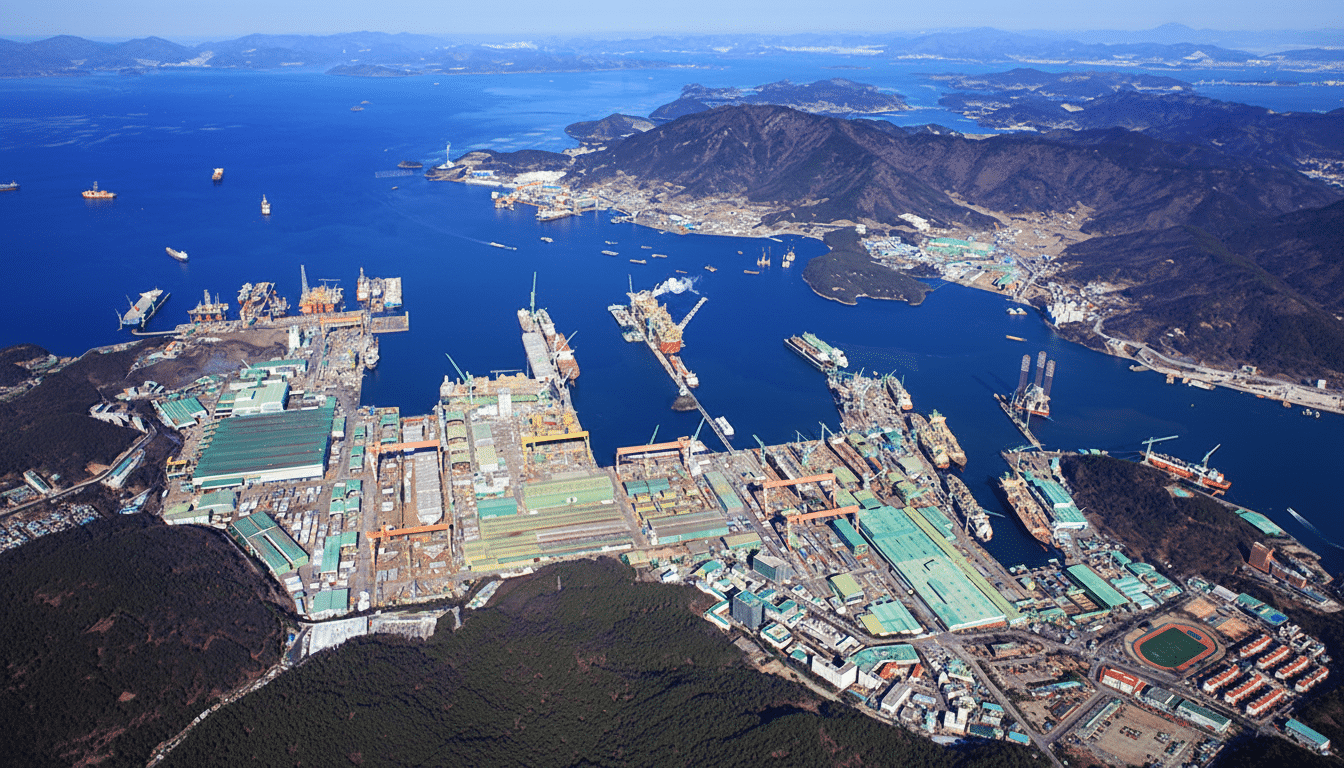
Samsung Heavy Industries (SHI) is one of the world’s top three shipbuilders and builds high-value vessels such as LNG carriers and ultra-large container ships, as well as highly complex vessels including FPSO units and offshore drilling units. Its portfolio is an embodiment of heavy metal: ultra-large container ships, advanced LNG carriers, offshore platforms, and wind farm structures for challenging seas.
Then there is the 2021-delivered Ever Ace, which held the title of world’s largest container ship by capacity for mere hours. Constructed by SHI for Evergreen, it highlighted the yard’s skill in bringing together scale, fuel efficiency, and smart systems. SHI also constructs sophisticated LNG carriers — one of two segments where Korean yards have dominated global orders — based on deep experience in cryogenics and hull design. Korean yards are loss-making at the moment, yet Clarksons Research has again and again rated Korean builders as ranking top of the order book for high-spec ships (and its own filings have underlined this with backlogs worth tens of billions).
Aside from commercial shipping, SHI produces floating production storage and offloading units (FPSOs) and other offshore facilities that form the backbone of global energy logistics. These efforts require the same systems engineering discipline that lies behind today’s smartphone — only at a scale of steel tonnage and megawatts rather than nanometers.
A Theme Park Operation That Buoys Leisure Demand
At the opposite end of this scale is Everland, one of Seoul’s sprawling resort complexes operated by Samsung C&T’s Resort Group. Everland is South Korea’s largest and most renowned theme park, along with its own water park (Caribbean Bay) and a series of carefully maintained gardens and golf courses.
Everland is not just massive; it’s influential. It has consistently ranked among Asia’s top parks by attendance in the TEA/AECOM Theme Index, with millions of visitors each year before the pandemic and a strong rebound as tourism reopened. The park’s headliner rides — including the T-Express wooden coaster — hold down a roster that combines thrills, family zones, and cycles in seasonal festivals that ensure crowds no matter when you visit, from springtime blooms to winter illuminations.
Some behind-the-scenes initiatives take advantage of the broader group’s expertise: Samsung C&T for design and construction, the electronics arm for payments and devices, group IT affiliates for data analytics. The result is a consumer platform that discreetly mashes together hospitality and technology in a polished, uniquely Korean form.
Why Ships and Theme Parks Make Sense Together
It might seem like a strange pair, but you have to look at it through the chaebol lens. It was a way for Korean conglomerates to spread their risk, balance cyclical industries, and develop internal ecosystems of suppliers and services. Shipbuilding works as a hedge against cycles in electronics; leisure assets generate brand affinity and steady cash streams. The Korea Fair Trade Commission has outlined how these so-called “double-action groups” knit together businesses while advocating for governance reforms that ensure competition remains strong.
There’s also quiet technology transfer. SHI’s SVESSEL smart-ship platform provides on-the-spot monitoring and optimization for vessels, based on the same sensor, connectivity, and AI capabilities that enable a phone to work “smart.” In all, digital ticketing, mobile payments, and queue management systems in use at Everland reflect retail tech best practices that increase throughput and guest happiness without screaming about the digital entrepreneurs behind the smiles.
Context From a Broader Samsung Industrial Empire
Non-gadget pillars like Samsung’s shipyard and theme park compete for space on Temasek’s bustling streets. Samsung C&T has worked to construct the world’s tangible icons — from the Burj Khalifa to Taipei 101 — demonstrating its technological diversity. Among healthcare facilities, Samsung Medical Center is well known as one of the most advanced hospitals in the country, and Samsung Biologics is one of the biggest contract manufacturers, producing biologic medicines in partnership with major pharmaceutical companies. The latest additions include financial services, marketing, and catering in a portfolio made to resist cyclical swings.
The Takeaway: What Samsung’s Diversity Says Today
Samsung’s brand may live in your hand, but its arm spans shipyards and roller coasters. SHI crafts maritime trade with high-spec vessels; Everland, leisure time for millions. Together, they explain how a tech titan became a diversified industrial powerhouse — one that transports goods across oceans and moves families through turnstiles, often on the same day.
The big lesson may be this, for consumers and for investors: The biggest names in tech are increasingly the businesses most of us don’t see. Peer beyond the screens and you see steel, concrete, and a customer experience that keeps the whole machine humming.
