


RingConn has revealed its third-generation smart ring at CES, and it comes boasting a pair of headline features that its biggest rival doesn’t yet offer: cuffless blood pressure readings and integrated haptic alerts. The subscription-free wearable also has new finishes, additional sizes, and a claimed jump in battery longevity, which should make it one of the most exciting smart rings to watch this year.
Two features that raise the stakes for smart rings
The first is detailed trends in blood pressure. Instead of saying they replace a cuff, RingConn Gen 3 says that its optical hardware and motion data allow it to provide an estimate of changes in blood pressure for directionally assessing cardiovascular risk. That is, it’s meant to pick up trends — such as a prolonged increase — instead of providing you with an exact systolic/diastolic reading. It’s a practical nod in a category about which medical bodies like the American Heart Association emphasize that cuffless methods need rigorous validation and should not be used to diagnose.
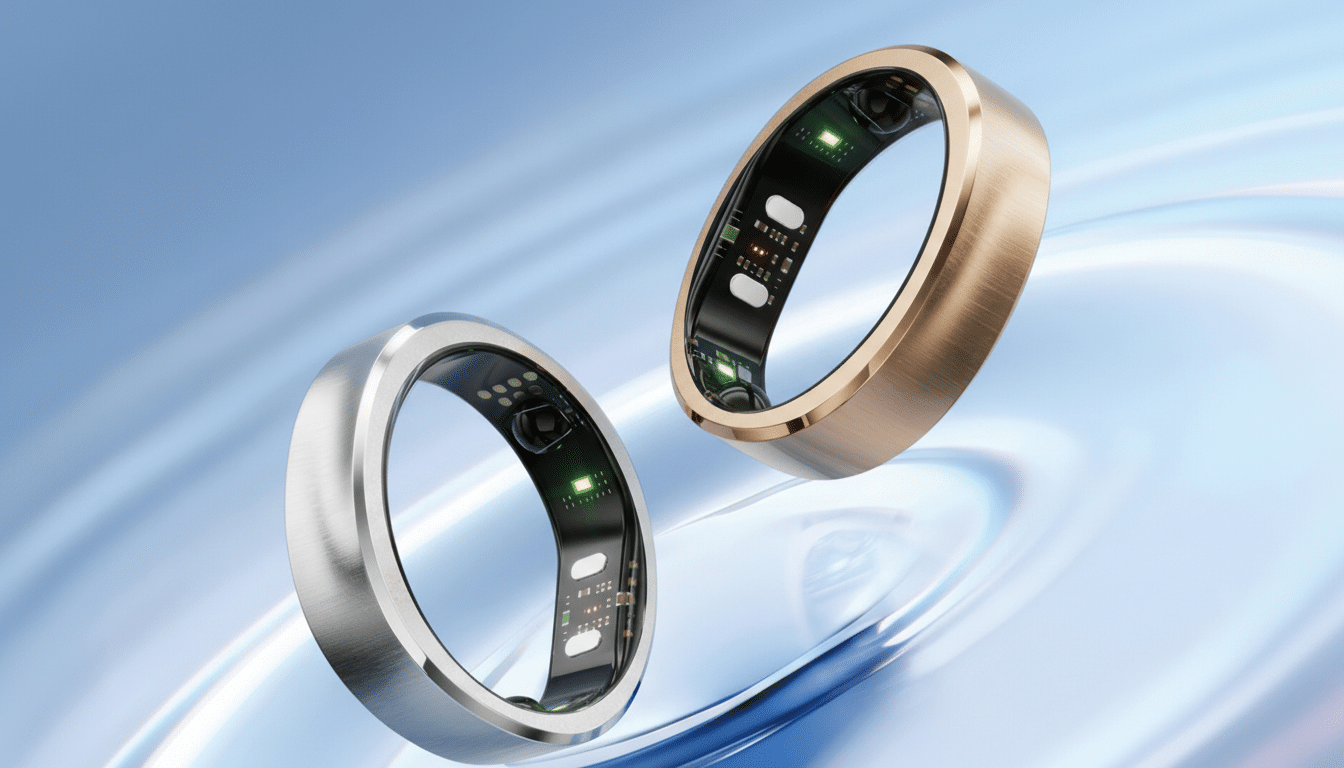
The second is the introduction of smart vibrations. Traditional smart rings have not had screens, and they have been silent — meaning users had to look at a phone app for anything that was time-sensitive. RingConn’s haptics reverse that dynamic with gentle buzzes for health alerts and other important nudges. Imagine resting heart rate spikes, inactivity prompts, or sleep-wake cues popping up the second they happen, not hours later. For athletes, subtle haptics could provide cues for recovery reminders or when to transition from one target zone to another during a workout — elements that bring ring-based coaching more in line with what watches are doing already without needing to add a screen.
Design updates and battery ambitions for RingConn Gen 3
Gen 3 provides a new dimension on the line’s style and fit with five new finishes — brushed silver, brushed gold, polished future silver, polished royal gold, matte black — and a more extensive size run from 6 through 15 in 10 sizes. That wider range should make for better comfort and sensor stability, which is key to accurate photoplethysmography readings on a finger that swells and shrinks during the day.
Battery life is also improving, apparently, though the details remain under wraps. It matters more than it seems. Most smart rings on the market today hold a charge for 4–7 days, and adding functionality such as haptics can be an additional burden on a small battery. If RingConn can provide a significant extension without beefing up the ring or reducing data speed, it will have cracked one of the trickiest design problems in this category.
A different business model than Oura’s membership plan
In addition to its feature set, RingConn is unique in its tariff.
There’s no monthly subscription; the full experience comes out of the box. That is different from Oura’s: subscribers pay on average $5.99 per month, in addition to the cost of their ring. But to get away from advertising, you have to pony up $9.99 a month, and over two years that no‑ad subscription adds almost $144 to the total — not an insignificant amount of money for someone who is cross-shopping value against time.
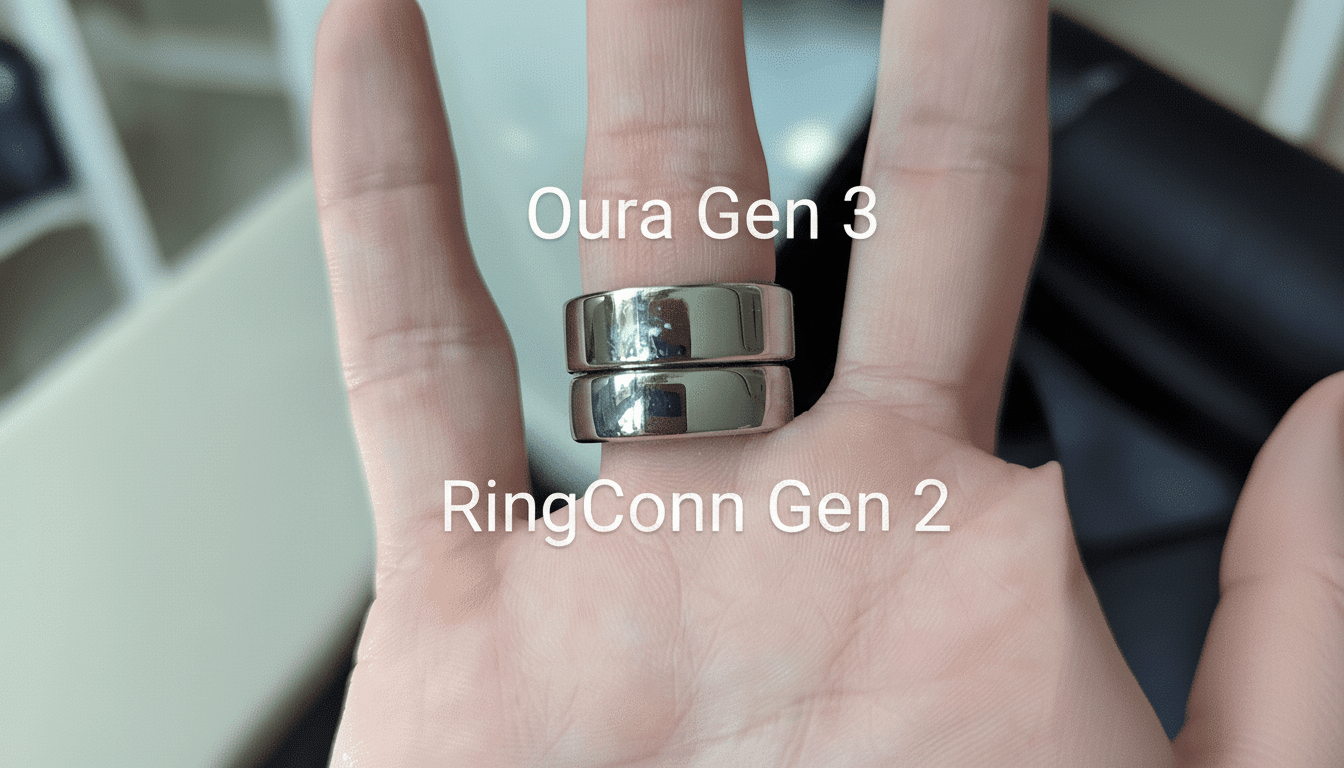
The subscription issue isn’t only about cost — it affects product direction. Without a paywall to hold “advanced” data hostage, RingConn has an incentive to keep adding value into the core experience, and Oura has used membership as a way to introduce new scores and insights over time. Which fork consumers take may depend on how useful RingConn’s real-time haptics and figures on blood pressure trends turn out to be in everyday life.
Context in a rapidly expanding wearables segment
Smart rings remain a slice of the wider wearables space, but they continue to gain momentum. Industry watchers such as IDC have reported that overall shipments of wearables surpassed 500 million units in 2023, and rings are increasingly seen as a more lightweight option to watches for tracking sleep, recovery, and readiness. As more companies join the game — which includes traditional watchmakers and smartphone brands — the competition is moving to who has better sensors, whose battery lasts longer, and whose nudges are better.
That’s also why RingConn’s two add-ons matter. Trends in blood pressure, even without specific readings, may reveal significant changes that are worth discussing with a clinician. And passive logging becomes timely nudging with haptics. Cardiology groups have repeatedly noted that wearable BP readings are not meant to diagnose anything and should be taken with a grain of salt — they need time to calibrate; context and consistent placement are key. But as a behavioral lever, early signals can nudge people toward healthier decisions.
What we don’t yet know about RingConn Gen 3 details
Vital details still need to be confirmed: pricing, concrete battery life targets, and how granular the vibration alerts will be. Assertions of accuracy will be examined as well. More transparent validation data — for things like sleep staging comparisons, heart rate error ranges, and longitudinal analyses showing how a trend in blood pressure might develop or degrade over time — would help buyers understand how well Gen 3 works in real life rather than just the lab demo.
Despite those outstanding questions, the introduction of RingConn Gen 3 sounds like an important step forward. And if its haptics are carefully tuned and blood pressure trends are reliable enough to alert you to meaningful change, it could also pressure the market leader to make a move. For consumers, that competition is likely to mean richer features and better value — just the kind of progress the smart ring space needs right now.
