


Amazon is taking Ring beyond doorbell video when it comes to overall safety and automation, with a fire alert that stems from a partnership based on wildfire intelligence, an in-app third-party software marketplace, and a refreshed lineup of multi-function sensors.
The upgrades aim to position Ring as a hub for both homeowners and small businesses, with smarter detection, richer integrations on third-party devices, as well as stronger connectivity.
- Integration of Fire Alerts and Watch Duty in Neighbors
- Whole-Home Monitoring Grows With New Sensors
- Ring App Store Opens to Third-Party Developers
- AI Unusual Event Alerts Aim to Cut Through Notification Clutter
- Amazon Sidewalk Connectivity and Vehicle Security Updates
- What These Ring Updates and Features Mean for Buyers
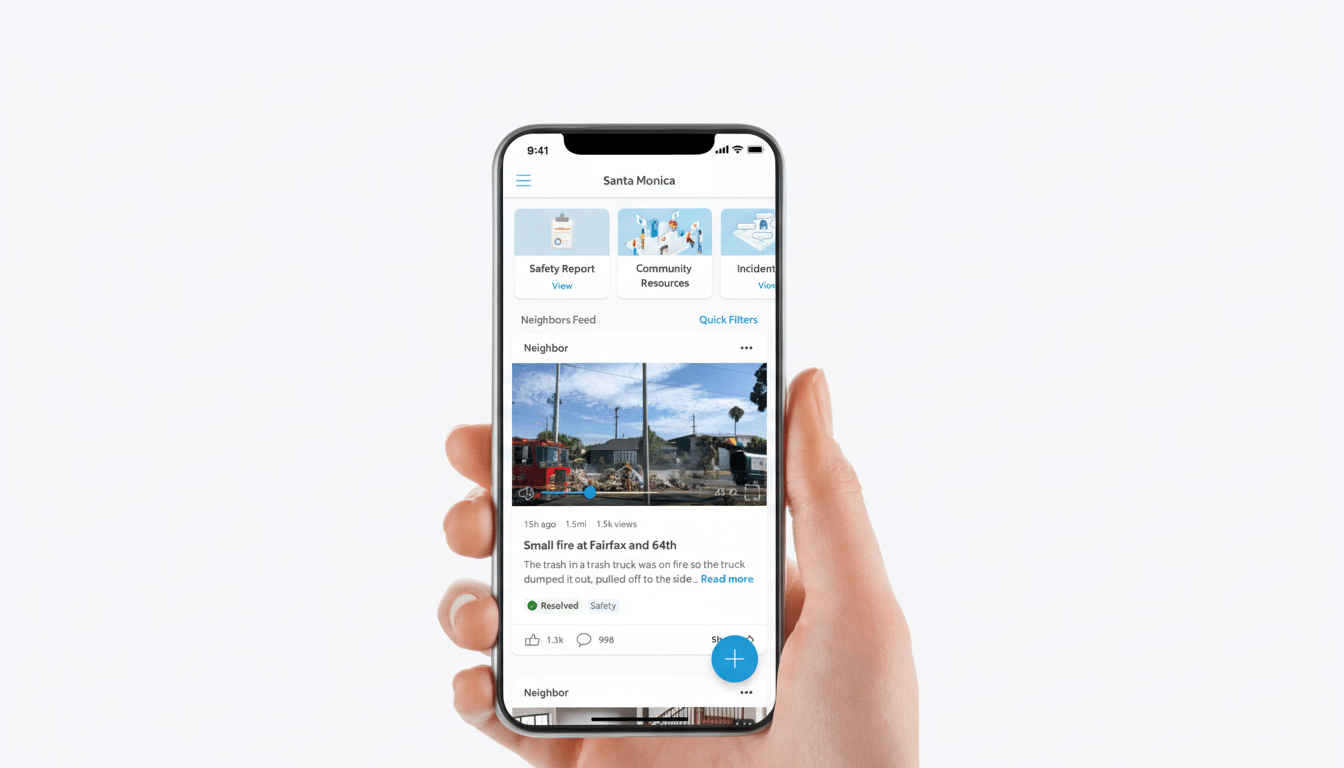
Integration of Fire Alerts and Watch Duty in Neighbors
Ring’s app now includes up-to-the-minute fire activity in the Neighbors feed using an integration with Watch Duty, an AI-based, firefighter-run wildfire monitoring service used throughout the American West. Users in affected areas will have access to incident maps, early warnings, and confirmed reports as situations unfold, and can share appropriate camera views with neighbors or first responders to keep a closer eye on things.
The expanded foray into fire intelligence comes as extreme heat and drought have exacerbated seasonal risk. Fire officials have long lobbied for multi-layered warning systems; this places alerts in a location where many households already congregate. The National Fire Protection Association reports that the risk of dying in a reported home fire is reduced about 50% when working smoke alarms are present, making early detection and communication as important as its audible counterpart.
Whole-Home Monitoring Grows With New Sensors
Ring’s new sensors are more than just motion and contact detectors. The suite can listen for glass breakage, sense smoke and carbon monoxide, measure water leaks, watch for temperature changes, and track air quality. The sensors can activate automations — like turning on exterior lights when they detect glass breakage, or cutting power to smart plugs in the vicinity of a detected leak — when combined with Ring cameras and lighting.
Indoor air quality is a big part of this. The Environmental Protection Agency says indoor air can be two to five times more polluted than the outdoors, depending on the home and daily activities. By integrating readings for particulates or VOCs into notifications and routines, Ring is nudging its system toward wellness and energy use cases, not merely security.
Ring App Store Opens to Third-Party Developers
Ring is introducing an app store inside its mobile app, starting with the United States, to allow third-party developers to create services on top of Ring’s cameras and sensors. Amazon says the initial wave will focus on small business operations and everyday household needs. Look for apps that make it easier to open doors at the storefront, validate delivery processes, or handle access to property, or prioritize an overlay of analytical tools on top of existing video feeds without needing new hardware.
For developers, the store is a sign that Ring hardware is maturing into a sensor platform. For users, this could translate into less fragmentation between apps and more task-specific tools accessible from a single interface, akin to how mobile app ecosystems expanded the utility of smartphones.

AI Unusual Event Alerts Aim to Cut Through Notification Clutter
Ring is also introducing “AI Unusual Event Alerts,” a pattern-learning tool that analyzes the normal rhythm of activity at each property and then flags anomalies, with context around location, actions taken, and distinguishing details such as clothing. The goal is to cut down on generic pings — and produce more timely, high-confidence alerts that could help you determine who’s a courier at noon (not someone loitering) or in the middle of the night at 2 a.m.
For clients of Virtual Security Guard, these notifications can prompt human action. The company has also, in recent months, released the ability to receive and send notifications based on facial recognition against a database of up to 50 known faces, allowing for more personal Alexa responses. Privacy advocates, from groups like the ACLU and EFF, have called for clear opt-in controls, openness about data retention, and robust guardrails on sharing with law enforcement. Buyers will want to look for settings on face matching, incident sharing in Neighbors, and video retention in order to bring them into alignment with what they are comfortable with.
Amazon Sidewalk Connectivity and Vehicle Security Updates
All of the new devices announced today also support Amazon Sidewalk, a low-bandwidth mesh that siphons off a small slice of connectivity from participating Echo and Ring devices in your neighborhood. Sidewalk is also meant to help keep sensors and trackers online even in spotty or far-flung Wi-Fi spots, and so that basic functions still work during local internet outages. Amazon has also published white papers on encryption and rate limits, but users can opt out if they want to keep devices off the shared network.
Outside the home, Ring is launching an updated Ring Car Alarm with GPS built-in for vehicle tracking. The device can also issue alerts for bumps or break-ins and aid in locating a car that’s been moved unexpectedly, effectively bringing the brand’s ubiquitous notification model to the driveway and street.
What These Ring Updates and Features Mean for Buyers
This expansion makes Ring a more full security and automation stack: environmental sensors to detect fires and air quality, artificial intelligence to prioritize what matters most, an app store for creating workflows that suit you, and a resilient mesh network to stitch it all together. For homes, the quick wins are speed to awareness and reduced false alarms. For a small business, the ability to plug into custom apps could potentially turn a doorbell and a few sensors or cameras into an operating-system light.
Shoppers will want to be on the lookout for pricing and subscription requirements associated with the new AI features, check compatibility with existing Ring products, and examine Sidewalk and facial recognition settings while setting up. With carriers more and more understanding the value of proactive monitoring — possibly in fire or water damage cases — L&G will get credit on its insurance rating; there is a financial incentive for safety.
