


Rhea Seehorn is breaking down the most-discussed moment in Pluribus: Carol and Zosia’s charged kiss that ropes in billions of others from within the show’s hive mind. Discussing the scene’s tangled feelings, she described Carol’s decision as an act of “willful delusion,” a concession that desire and denial make easy companions when loneliness dictates.
Why the kiss matters in Pluribus and what it reveals
The moment arrives following Carol’s torturous detachment, a stretch of episodes that pared her world down to coyotes, desolate roads and ill-behaved silence. Showrunner Vince Gilligan and director Melissa Bernstein pressed Seehorn to play that psychic depletion straight: A person starving for connection will take comfort even if the terms are dubious. The attention of the Others—watchful, ever-present, overwhelmingly accommodating—falls on them like oxygen into a vacuum.
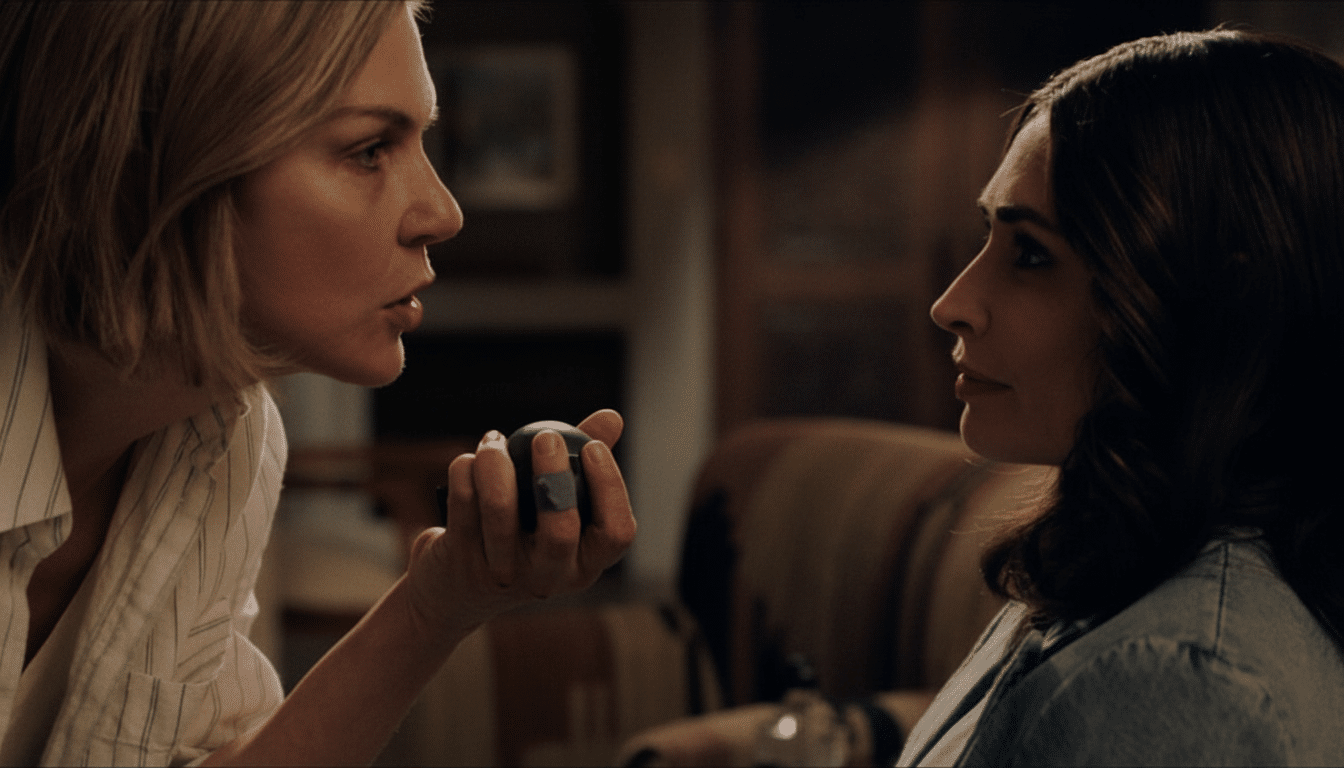
That context renders the courtship sequence hauntingly seductive and unsettling. Zosia choreographs Carol’s day with leaden specificity: a croquet match, a neurotically coddled stop in the spa for pampering, a hike broken up by a train horn sounded on cue using the hive. The Others even rebuild Carol’s favorite diner in an effort to restore a beloved memory. These are grand gestures, calculated for algorithmic efficiency, that leave a knotty question in their wake: can a feeling be real when every variable has been optimized?
Desire, manipulation, and consent within the hive mind
Seehorn makes it clear that Carol knows the strings. The Others chose Zosia, in part, for a strategic appeal that echoes a romantic hero from Carol’s favorite Wycaro novels — blending devotion and design. Karolina Wydra makes the most of that ambiguity, playing a character who could be part caregiver and proxy, lover and implement. The physical staging underlines that. Zosia moves first, an empathetic lean toward a woman who exudes need but one that looks nurturing or tactical depending on your angle.
The best sci-fi romances on TV turn everything into a question of agency — the Borg in Star Trek, simulated affections in Black Mirror, engineered intimacy in Her.
Pluribus adds itself to that tradition by making us parse networks of consent in a shared consciousness. It’s a love story with a chorus, and the chorus can veto. That dissonance is the point: you can cheer Carol’s relief and still be terrified of what it costs.
Inside the performances that shape this pivotal scene
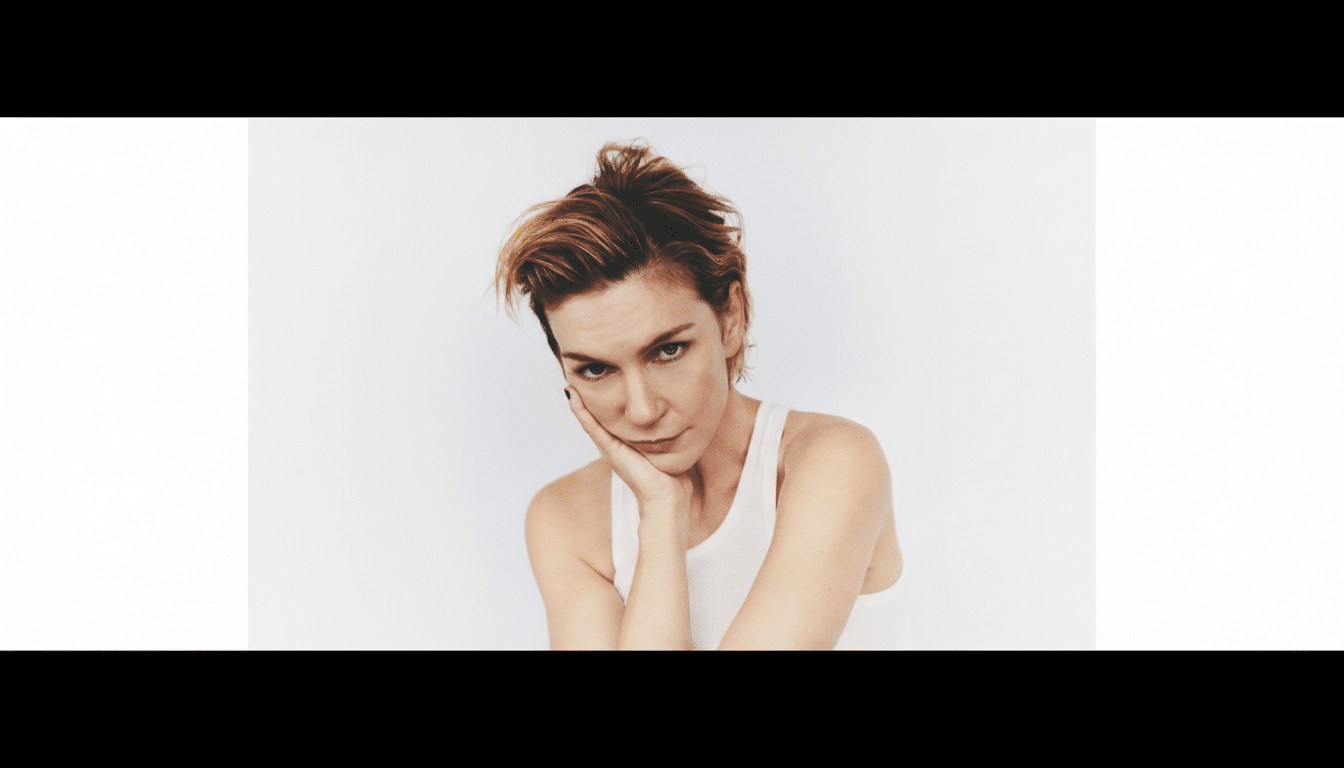
Seehorn, often hailed for calibrating ethical gray areas on “Better Call Saul”, does the same here: micro beats of surrender, skepticism and self-preservation in a single exhalation. Bernstein’s direction rewards intimacy — tight frames that afford little space for concealment — Gilligan’s withholds as much absolution as it offers. Wydra matches that energy with an open performance that never quite lets you in on how much of Zosia’s warmth comes out of personal feeling, hive directive or both.
With new awareness of sexual harassment and safety on set, industry standards around intimate scenes have evolved in recent years; groups including SAG-AFTRA and the Directors Guild have emphasized clear intent and choreography to protect actors — not just erotically minded rehearsals — as well as help serve the story. That intentionality is palpable here. Each touch carries narrative freight, each pause an ethical ripple.
What the controversial kiss ultimately means for Carol
The kiss doesn’t resolve Carol’s tension; it follows that it worsens her tension. She knows her hosts are treating her with kindness, and that Koven’s attentiveness is part of the kindness, but she also knows very well it is not all kindness. That uneasy duality — comfort that sabotages, affection that dominates — makes the romance into a challenge to identity. Does the connection create firmer ground for Carol, or does it bleed away the sharp edges of her autonomy?
The series has been winding its way toward a showdown between the desires of individuals and the intentions of groups. And if this is the Others at their gentlest, they may also be at their most convincing. Seehorn’s “willful delusion” line is less confession than diagnosis: Carol knows she’s deciding to believe, at least for a moment, because the alternative is intolerable. It’s that honesty that makes the scene feel both swoon-worthy and foreboding — and why its aftershocks are all but certain to shape everything that follows.
Created for Apple TV by a team that includes Gilligan and Bernstein, Pluribus has never been one for tidiness or clean genre answers. The kiss fits that ethos. It’s romantic, it’s creepy and it’s precisely the sort of decision a person makes when love and survival are all at once the same conversation.
