


Retroid has switched off Early Bird pricing for the Pocket 6, blaming an unexpected jump in the price of RAM due to a wider memory famine.
When it comes to either chasing down desired configurations or simply receiving them within the delivery window, the updated information is that, regarding both, the company’s stance should for now remain the same. However, one week after launch, those who would rather own their shiny new machines have had enough time to advance-order additional RAM at a more reasonable cost, while everyone else will be rolling straight into Dell’s original plan moving forward: mild disappointment once they realize how much extra RAM really costs these days.
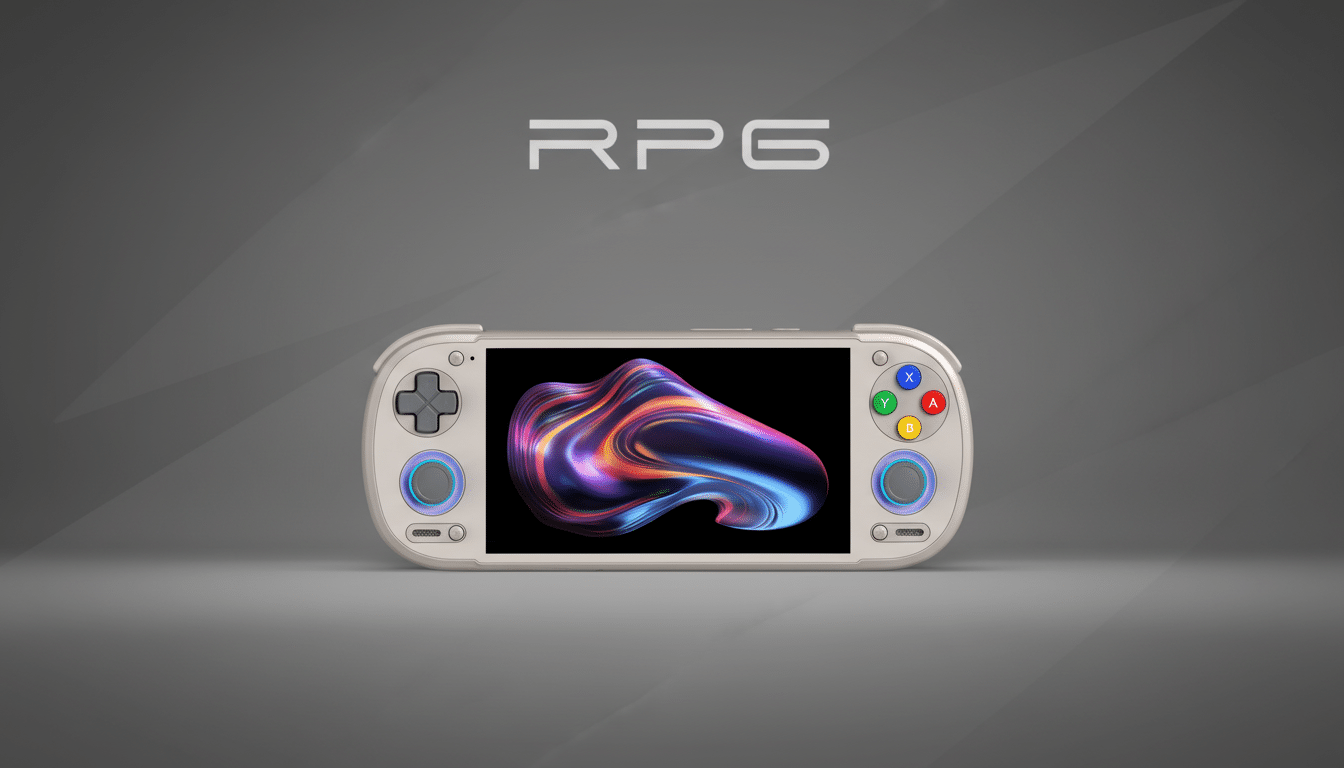
What Changed and Why Retroid Ended the Early Bird Deal
The Early Bird offer almost never disappears in the middle of a preorder, but this one did. Retroid had originally wanted to maintain the introductory price through the new year. Instead, the company simply ran out of its initial memory allocation, and discovered replacement stock of LPDDR was far more costly. Industry trackers such as TrendForce have highlighted a tightening DRAM market as suppliers shift production to high-bandwidth memory for AI servers, resulting in reduced output for mobile-grade chips and pushing contract prices higher by double-digit percentage points over the last few quarters.
LPDDR5 and LPDDR5X, which power devices like the Pocket 6, are among the affected categories. Smaller hardware brands are vulnerable to sudden cost swings with spot prices soaring and little leverage to lock in longer-term contracts. Retroid’s decision is a sign that the most recent wave of increases has shifted from balance sheets to consumer prices.
Preorders and Delivery Are Still Going Forward
There is no change to the product itself. According to Retroid, all prior preorders are being honored at the original price right down to the RAM and storage configurations: 8GB/128GB and 12GB/256GB. “Ill-gotten” first-wave units are scheduled to mail in early January with another wave set for March. Still, the Pocket 6 is the company’s Android flagship, equipped with a Snapdragon 8 Gen 2 and a luxurious (if not particularly impressive at this price point) 5.5-inch 120Hz AMOLED panel—hardware that will be more than able to handle emulating everything from maybe even up through the GameCube/PS2 era, while also running modern gaming apps on Android without breaking much of a sweat.
The early bird discount, which has expired, discounted $20 off an already competitive price point. And that margin can shrink fast when just one type of component spikes in price, helping to explain the early cancellation despite continued presale interest.
Squeezing the Handheld Market as Memory Costs Surge
Retroid isn’t alone. Competitor manufacturer AYN just announced that it’s pushed back shipments of its Odin 3 Ultra, and blamed the same explosion in RAM prices as well as a temporary memory drought. The pattern highlights an industrywide bottleneck: Boutique handheld brands rely on smartphone-grade silicon and memory, but they lack the scale of phone giants to ride out component swings. When DRAM prices rise, the going gets tough for smaller OEMs—trim specs; push back batches; or reset pricing midway.
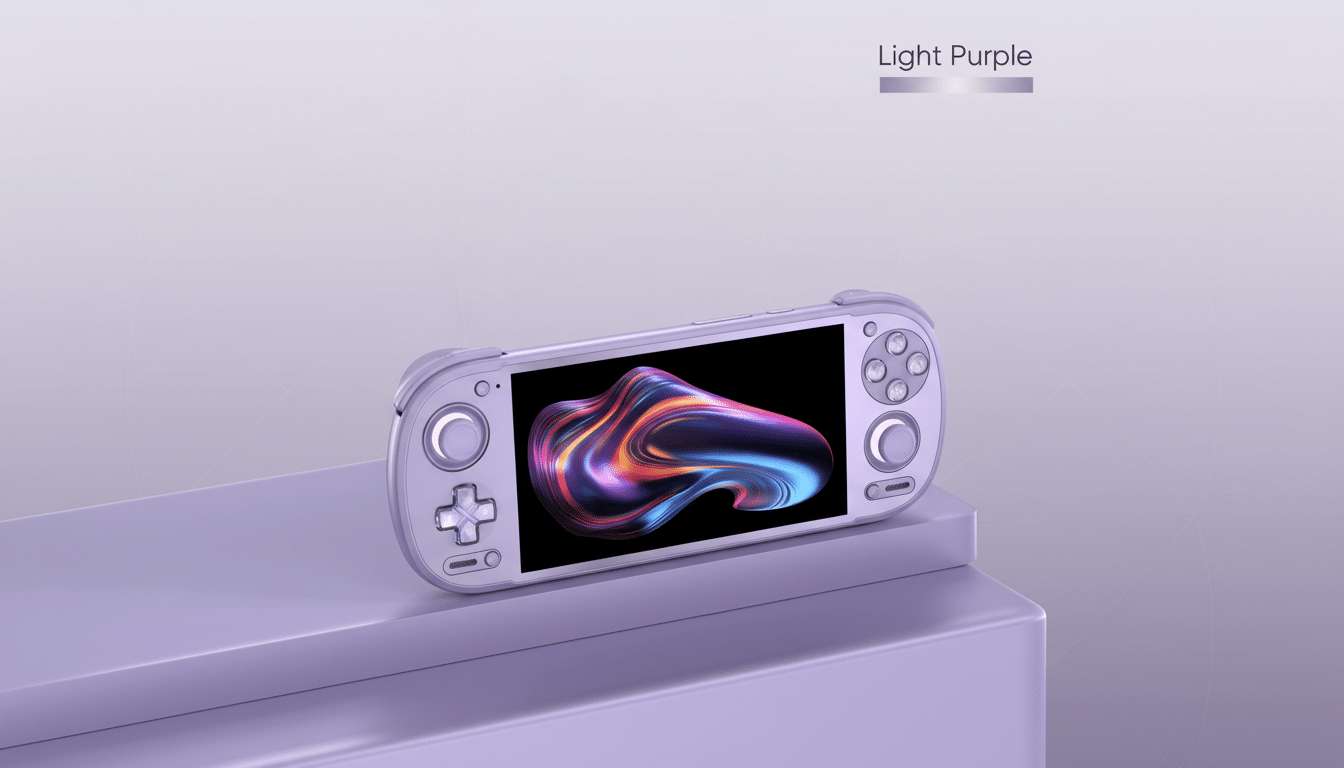
Members of the media sector including Counterpoint Research and IDC have observed that memory can be a significant proportion of a handheld’s bill of materials—frequently in the mid-teens to 20% range for high-performance-oriented devices. A sudden 10–20% spike in LPDDR prices kills off most of the breathing space accumulated from early bird or influencer headline launch promos.
Why RAM Is Costly in Pocket Devices Right Now
Three forces are combining—AI servers consuming wafer starts for HBM, some level of rebound in smartphone builds lifting mobile DRAM demand, and suppliers managing inventory to underpin pricing. TrendForce said DRAM contract prices have increased for two straight quarters and forecast further gains as capacity transitions continue. It’s a tough backdrop for niche handhelds like this, where predictable component costs are used to lock down preorder pricing.
That Retroid has left both 8GB and 12GB around, instead of moving to a single lower-memory SKU, also points to a focus on consistent performance even as costs climb. That decision maintains the device’s competitive position against Android competitors, but it constrains pricing flexibility until memory markets settle.
What Buyers Should Do as Early Discounts Disappear
If you had already preordered, no problem: you’re locked in with the original price and timeline. If you were waiting, note that batch-based purchasing is likely to see prices fluctuate. In the past, DRAM cycles have tended to soften as supply adjusts, but near-term forecasts are still for flat or rising pricing. Your best bet for a deal: keeping an eye out for new preorder waves or bundle promos.
Overall the outlook is still good for Android handhelds. Smartphones continue to drive high-efficiency chipsets and OLED supply into the market, helping sleeker pocket consoles like the Pocket 6. The present RAM headwinds are real, but they are also cyclical. As the memory market begins to soften—and particularly if suppliers reallocate capacity away from HBM—purchasing power will revert back into buyers’ hands, and those Early Bird windows could well hang around a bit longer.
