Reported unauthorized access to the U.S. Air Force’s Cloud One platform has interrupted planned software changes and migrations on a cloud environment used for a wide range of military business and operational applications. The immediate consequence described in Reuters reporting is not a confirmed loss of data or compromise of individual systems, but a pause on changing them while the incident is assessed.
The distinction is important. Cloud One supports applications tied to personnel records, pay, logistics and maintenance, and Reuters reporting identifies Cloud-Based Command and Control and the Theater Integrated Combat Munitions System among its users. But neither the Air Force nor the available reporting has established that intruders reached any particular application, tenant or record set. The Air Force has not directly confirmed the reported breach.

What the reporting establishes
A Reuters dispatch carried by KELO said on November 27 that three people familiar with the matter described a breach of Cloud One, a consolidated Air Force cloud environment begun in 2017. The report said the platform draws on computing resources from Microsoft, Amazon, Oracle and Alphabet, while applications and services run within the Air Force’s broader program structure.
Two people told Reuters the suspected intrusion was discovered during upgrade work within roughly the preceding month. The news agency could not determine who was responsible, how long access may have lasted, the vulnerability involved, the full scope of the incident or whether information was taken.
The Air Force response quoted in the report was deliberately limited. It said the service does not discuss the security posture, vulnerabilities or operational status of particular networks and systems, and said it takes measures to protect its information, systems and mission capabilities. The Guardian’s account independently carried the central Reuters findings and the Air Force’s refusal to provide operational detail, but did not add public confirmation of the breach or identify the affected applications.
That leaves a clear floor for what can be said: Reuters-based reporting indicates unauthorized access serious enough to interrupt planned change activity on a significant shared cloud platform. Claims beyond that floor—including what data, if any, was viewed or removed—remain unverified in public.
Why paused updates are a material operational effect
Reuters reported that migration of back-office applications was paused and that updates to applications already on Cloud One were blocked after the discovery. A fifth source said some users also lost administrator rights. Such measures are consistent with a response that prioritizes preserving evidence and reducing the number of people or automated processes able to alter a shared environment, though the Air Force has not described its response plan.
One Reuters source said the intruders exploited a software vulnerability to access Cloud One’s control plane. In cloud systems, the control plane generally refers to the management functions that create, configure and govern computing resources and permissions. Reported access at that layer can be consequential because it may expose configuration or identity-management paths. It does not, by itself, establish access to every application running on the platform, much less to the contents of every database or workload.
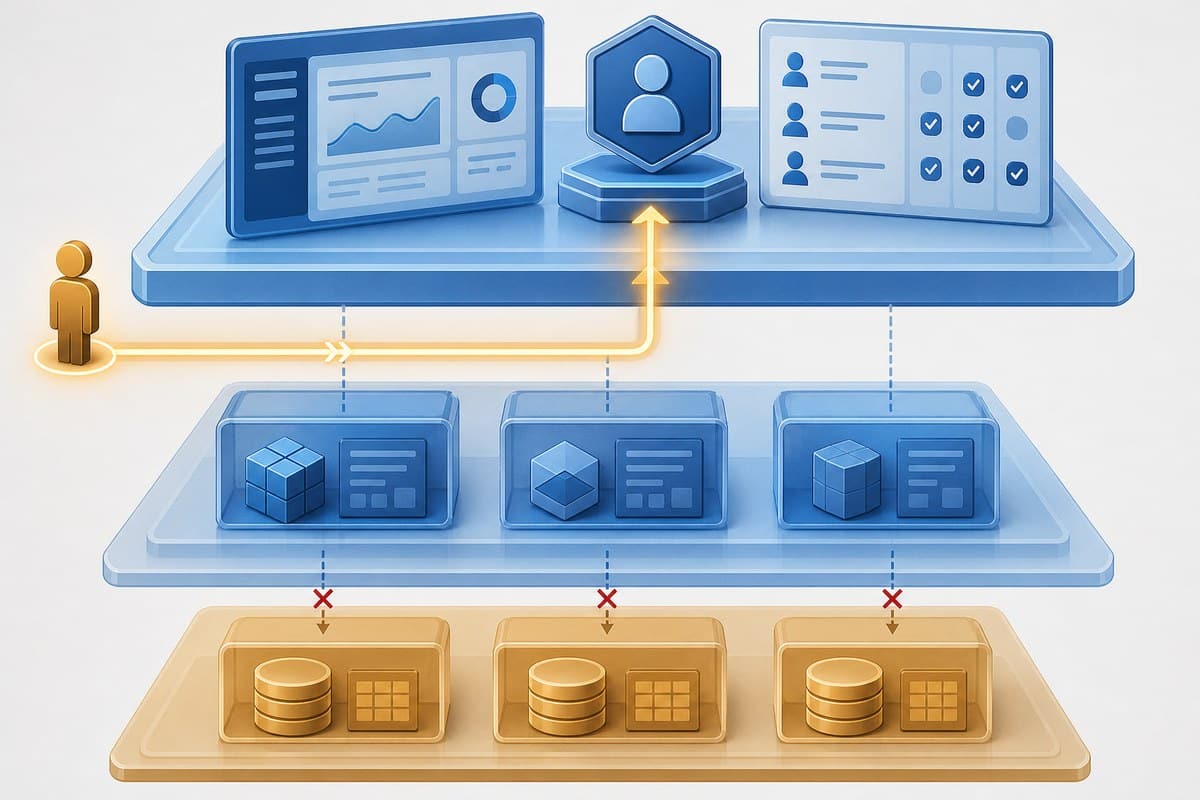
That technical boundary is easily blurred when a cloud platform hosts sensitive functions. Cloud-Based Command and Control and the Theater Integrated Combat Munitions System are notable names in the reported user list, but their presence does not show they were accessed, disrupted or altered. Nor does the reporting support assertions that aircraft, munitions, personnel files or classified information were exposed.
Reuters also reported that one source said U.S. Cyber Command had been asked to help assess the damage. Cyber Command did not respond to the news agency’s requests for comment, and it has not publicly described a role. A defense-sector follow-up by SOFX similarly described Cloud One as shared infrastructure and repeated the reported disruption, without supplying public technical findings about the incident.
Conflicting claims about the impact
A later Republic World report, citing an unnamed person, said mission-critical and classified systems were not affected and that the threat had been mitigated. That would be reassuring if substantiated, but it is not independently confirmed in the available coverage. It also sits alongside Reuters’ unresolved questions about scope, data access and remediation.
The timing is unsettled as well. Reuters sources said the incident was discovered during upgrade work in the month or so before its November 27 report. Republic World described the intrusion as occurring in early 2026. Those statements could refer to different dates—initial access, discovery or a separate stage of investigation—but the published accounts do not provide enough evidence to reconcile them.
For organizations using shared cloud infrastructure, the episode illustrates why a pause in migrations and updates can be more than an administrative inconvenience. Security teams may need to constrain privileged access and postpone ordinary maintenance while they determine whether management functions were affected. Delayed patches and frozen deployments can create their own operational burden, especially where many applications share the same platform.
For now, the public record supports a narrower conclusion than the most dramatic readings of the incident: a reported Cloud One intrusion prompted restrictions on updates and migrations, while the Air Force has not publicly identified an attacker, confirmed data theft, named compromised applications or described the state of remediation.