


A fresh report claims OnePlus could bow out of smartphone production, echoing chatter that another veteran player, ASUS, is reassessing its phone roadmap. The allegation is unconfirmed, but it arrives amid consolidation across Chinese brands and a tougher market for mid-tier Android players. The key question: is this the start of a strategic retreat or just noise around a reshuffle at OnePlus’s parent stable?
What The New Report Actually Says About OnePlus Plans
The claim originates from Android Headlines, which suggests OnePlus might wind down new phone development following weak share in core markets and the apparent cancellation of upcoming flagships and a second-gen foldable. It also ties the rumor to broader portfolio changes at OPPO and the BBK ecosystem, including Reuters reporting that OPPO has been restructuring adjacent brands like Realme.
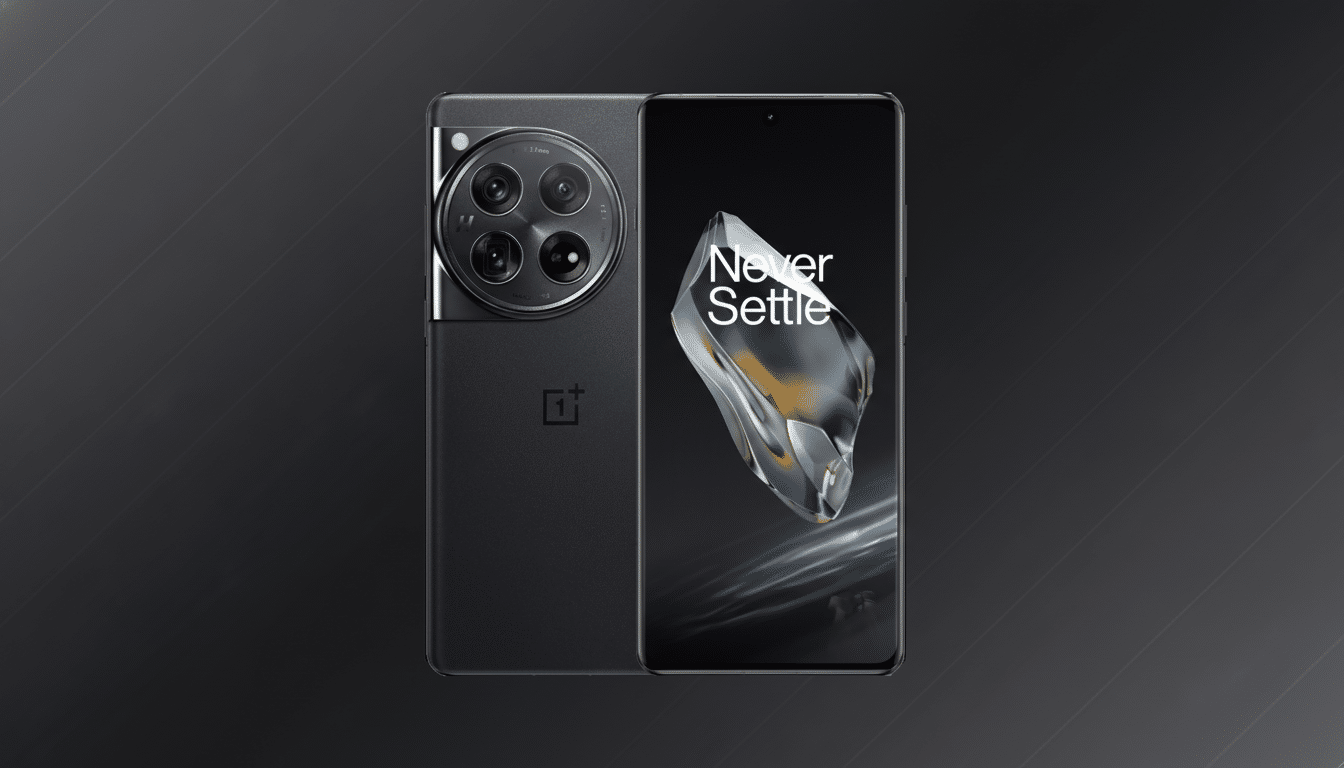
Crucially, none of this is official. OnePlus has not announced changes to its smartphone roadmap, and there is no public confirmation of device cancellations. Supply chain whispers routinely surface during planning cycles, and not all model pivots become strategy. Treat this as an unverified industry read, not a fait accompli.
Why The Rumor Resonates Now in the Smartphone Market
The smartphone market has been unforgiving to mid-scale brands. IDC and Canalys have tracked multi-year shipment declines followed by only a modest recovery, with growth increasingly concentrated in the premium tier. Counterpoint Research has also highlighted how the premium segment’s share has risen even as the middle softens—bad news for brands that thrived on value-flagships.
OnePlus, historically strongest in India and enthusiast niches, has faced fiercer competition from Samsung’s Galaxy A series, Xiaomi’s Redmi and POCO lines, and a resurgent Apple in the premium bracket. In China, domestic rivals have sharpened their camera and AI propositions, squeezing room for differentiation. Against that backdrop, whispers of model cuts and consolidation feel plausible, especially as BBK-managed brands routinely share R&D, supply chains, and software.
Add to this the recent talk that ASUS is reevaluating its phone plans—after years of niche success with Zenfone and ROG—and the narrative of a broader pullback among enthusiast-focused Android brands starts to take shape. Whether ASUS ultimately scales down or simply refocuses, the speculation feeds concerns about long-term viability for smaller-volume players.
Reasons A Full OnePlus Shutdown Seems Unlikely
Even if OnePlus trims its lineup, an abrupt exit doesn’t align with recent moves. The company has invested in higher-end camera systems via its Hasselblad partnership, expanded AI-powered features, and maintained visibility with carrier partnerships in North America. Those relationships, particularly with operators, are not trivial to unwind and typically signal near-term product continuity.
There’s also the matter of software obligations. OnePlus has pledged extended support windows—up to four Android OS upgrades and five years of security updates on select flagships. Brands that have exited (think LG) maintained support to protect consumer trust and regulatory standing. If OnePlus were preparing a withdrawal, we’d expect clear signaling about support timelines and a carefully staged transition rather than sudden silence.

Finally, OnePlus is not a standalone entity; it shares development resources with OPPO under the BBK umbrella. That structure makes a “merge and streamline” scenario more likely than a hard stop. OnePlus could be repositioned toward fewer halo products or specific regions while OPPO absorbs overlap—an efficiency play rather than a shutdown.
If A Retreat Happens What It Might Look Like
The most realistic pathways are strategic, not terminal. Expect fewer SKUs, tighter regional focus, and more parts and software commonality with OPPO. Foldables or experimental models are often first to go when margins pinch. Mid-cycle refreshes could be skipped to conserve R&D, with marketing dollars concentrated on a single hero flagship and a value line like Nord.
For current owners, the priority would be continued support. Based on industry precedent and OnePlus’s own policies, security patches and promised OS updates should continue even if new hardware slows. Accessory and ecosystem products—watches, earbuds, chargers—can persist, sometimes serving as a bridge while a brand regroups.
Bottom Line on the Unconfirmed OnePlus Exit Rumor
There’s smoke, but no confirmed fire. The report of a OnePlus phone exit fits wider consolidation trends and recent chatter around ASUS, yet the absence of official confirmation—and the weight of carrier ties, software commitments, and shared BBK resources—argues against a sudden shutdown.
Watch for concrete signals:
- Regulatory certifications stalling
- Sustained supply chain cuts
- Conspicuous gaps in launch calendars
- Explicit statements from OPPO or OnePlus leadership
Until then, assume recalibration over retirement.
