


Realme has unveiled the P4 Power, a smartphone built around a colossal 10,001mAh “Titan” battery that the company says can last a week on a single charge. It’s a direct challenge to the 5,000mAh status quo in mainstream handsets and signals a new phase in the battery-life race, turning last year’s concept into a mass-produced device.
A Leap Beyond the 5,000mAh Norm for Smartphones
For years, 5,000mAh has been the comfortable ceiling for popular phones, with endurance typically stretching a day or two for most users. Review labs often measure “endurance ratings” around 90 to 120 hours for such devices under mixed use, depending on screen-on time and network conditions. Pushing capacity to five figures effectively doubles the energy reserve to roughly the equivalent of two standard batteries, which reframes what “all-day battery” can mean for power users, travelers, and field workers.
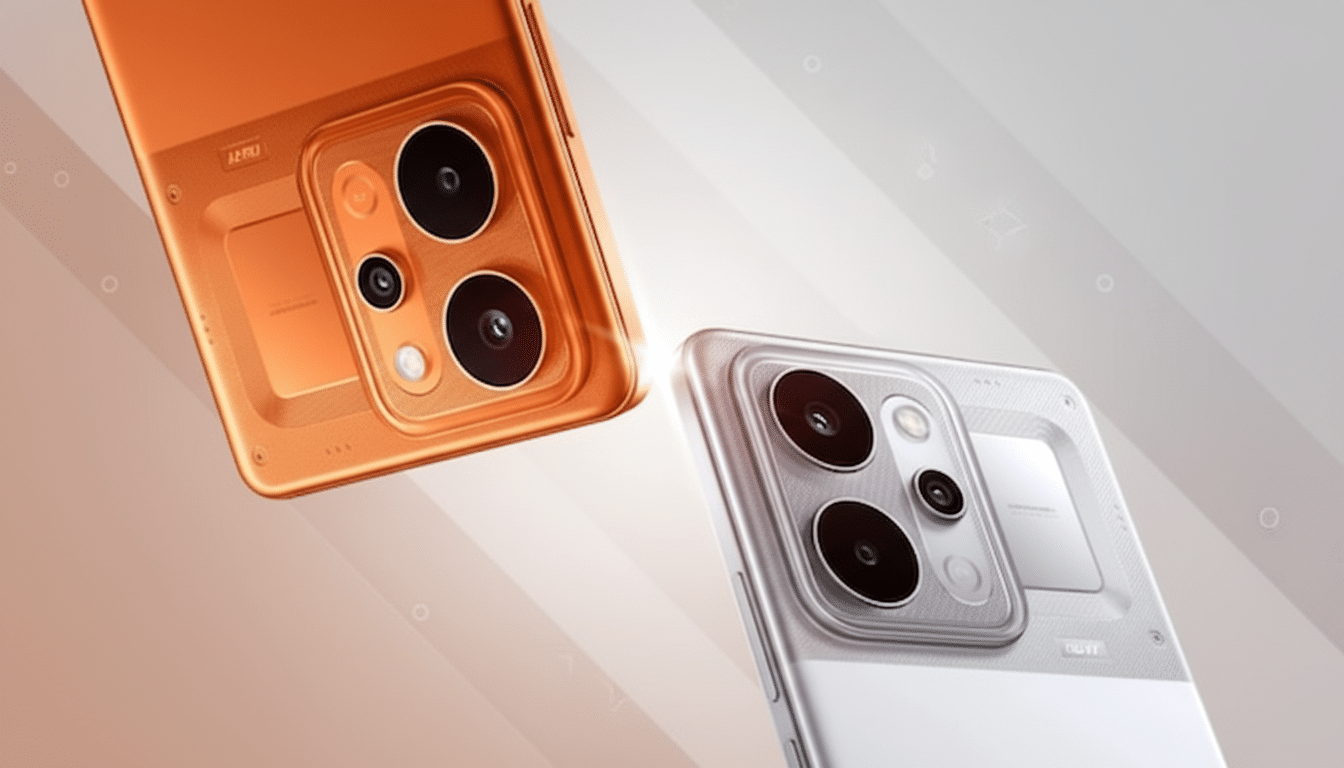
The move is notable because it’s not just a rugged niche play. While ultra-tough phones have flirted with 9,000mAh to 13,000mAh batteries for years, a major mainstream brand committing to a 10,001mAh cell could normalize weeklong endurance as a practical selling point rather than a novelty.
Inside the Titan Battery: Safety and Longevity Design
Realme’s “Titan” branding spotlights two promises: safety and longevity. The company highlights advanced protection circuitry, thermal management, and algorithms designed to slow wear so the pack maintains stable output as it ages. That aligns with best practices across the industry, where manufacturers increasingly adopt multi-sensor temperature monitoring and adaptive charging to reduce stress at high states of charge.
Battery life isn’t just about raw capacity; it’s also about how consistently that capacity is delivered over time. Independent research firms such as Counterpoint Research have noted that modern smartphone batteries typically retain around 80% health after several hundred cycles when managed conservatively. If Realme’s software and charging profiles keep the Titan pack in a friendly thermal and voltage window, sustained endurance should outlast many fast-charging-first designs.
Safety is equally pivotal with a pack this large. While Realme hasn’t detailed its certification stack, reputable smartphone cells are generally tested against international standards such as IEC 62133 and UL 1642, and device-level safeguards include robust separators, pressure relief, and shutdown mechanisms. Real-world reliability will hinge on how these layers work together during intensive tasks like gaming or navigation, which put sustained heat into the system.
Real Endurance and Trade-offs in Daily Use Scenarios
The headline claim of “a week on one charge” deserves context. Battery life is notoriously usage-dependent: long stretches of standby on Wi-Fi can sip power, while 120Hz screens, 5G tethering, or extended camera use can drain any pack. Realme’s head of product marketing, Francis Wong, posted a battery usage screenshot on X that hints at multiple days in a balanced mode, which sounds plausible given the sheer capacity. Expect actual results to vary widely based on display brightness, signal strength, and app load.
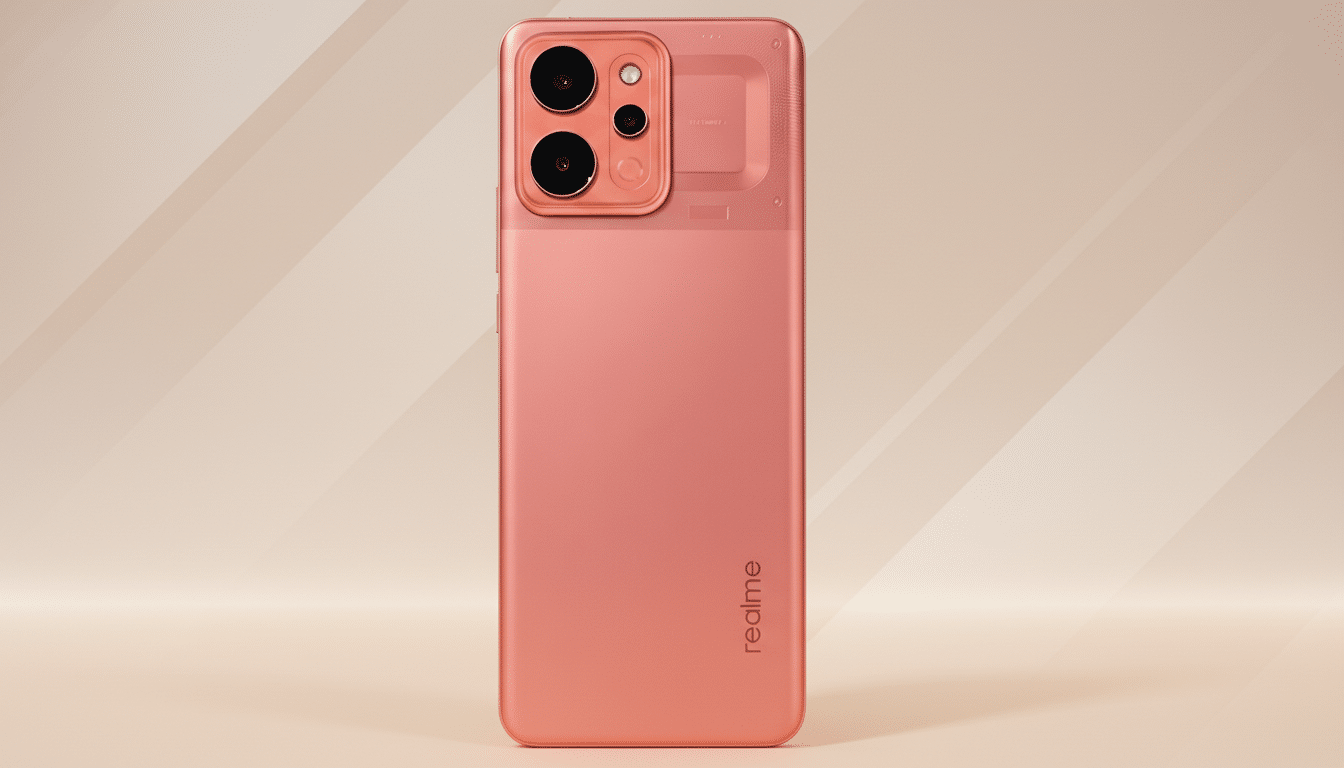
Physics hasn’t changed: bigger batteries are heavier and bulkier. Typical smartphone cells have energy densities that translate roughly to several dozen watt-hours in the 150g range for a pack this size. That suggests a thicker, heavier device than mainstream flagships, likely pushing total handset weight into the high-200g territory. Whether users accept that trade-off will hinge on the P4 Power’s ergonomics and how the chassis distributes mass.
Performance and Charging Questions That Still Remain
Realme hasn’t disclosed full specifications, including chipset, charging wattage, or display tech. Those choices matter. A midrange, efficiency-focused SoC combined with a well-tuned adaptive refresh rate could magnify the Titan battery’s advantage, while aggressive silicon and high-brightness panels would eat into reserves. Fast charging is another key variable: even at 67W, refilling a 10,001mAh pack will take time, and higher wattages bring thermal and longevity trade-offs. Realme’s previous high-wattage experiments, such as its 240W charging in other models, show it has the expertise—but balancing speed with health will be crucial here.
One pragmatic plus: airline rules commonly cap carry-on lithium-ion batteries at 100Wh, according to IATA guidance. A 10,001mAh smartphone battery typically sits around 35–40Wh, comfortably below that threshold, so the P4 Power should remain travel-friendly despite its size.
A New Battery Arms Race Among Mainstream Brands
Realme isn’t alone in breaching the five-digit barrier. HONOR recently announced the Power 2 with a 10,080mAh battery, paired with a Dimensity 8500-series chip and fast charging, signaling that big-battery phones are moving from lab demos to retail shelves. The competitive stakes are clear: whoever nails the right blend of capacity, weight, charging speed, and thermal control could redefine the midrange experience.
If priced aggressively and rolled out broadly, the P4 Power could reset consumer expectations in the same way multi-day fitness watches reshaped the wearable market. What remains to be seen are the finer points—regions, camera hardware, software polish, and long-term battery health. Until then, one takeaway stands: Realme just put “charge anxiety” squarely in its sights with the biggest mainstream phone battery yet.
