


A new reader poll finds strong early confidence for the Pixel 11 months before its release, with most respondents predicting Google’s next flagship will best them all.
The early verdict is as much about the brand’s recent momentum as it is about new expectations for AI-based smartphones.
- What the reader survey reveals about Pixel 11 hype
- Why prospective buyers are bullish on Google’s Pixel 11
- The competitive backdrop shaping expectations for Pixel 11
- The skeptics’ case and lingering concerns about Pixel 11
- What to watch before launch: signals to track for Pixel 11
- The bottom line on early confidence around Google’s Pixel 11
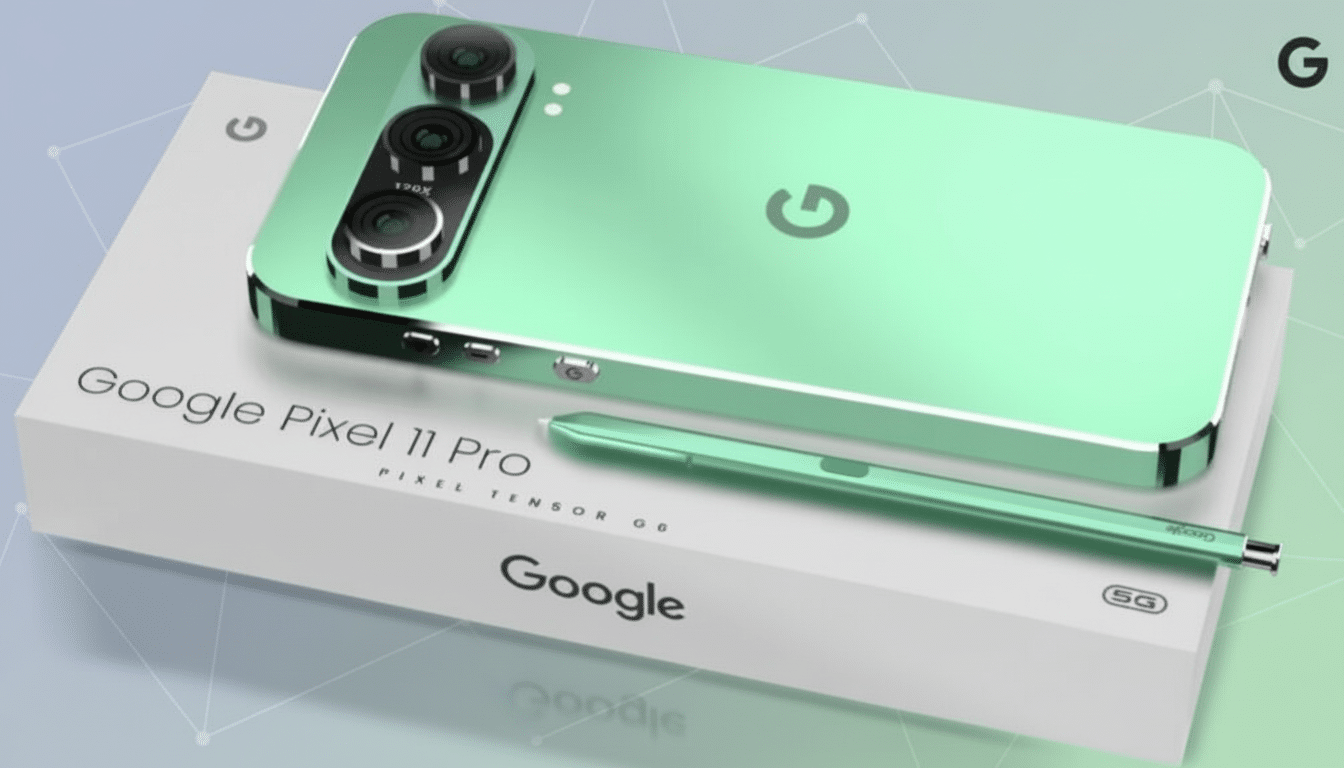
What the reader survey reveals about Pixel 11 hype
The poll drew responses from over 8,000 people. Of those, 34 percent said the Pixel 11 will “definitely” outcompete rivals, and another 17.4 percent said that it “probably” will. That brings the combined score to north of 51%—a convincing vote of confidence months before spec sheets arrive.
Dissent is present but relatively muted: 10.8 percent strongly disagreed with the rosy outlook and 19.3 percent somewhat disagreed, for a total of about 30.1 percent.
The final 18.6 percent were undecided—adopting more of a wait-and-see approach until details such as hardware, pricing, and software polish firm up.
Why prospective buyers are bullish on Google’s Pixel 11
Respondents repeatedly referred to Google’s philosophy of delivering practical AI features as a differentiator. The likes of Notification Organizer, Call Screen improvements, and on-device transcriptions show a trend: AI that works to nullify everyday schleps rather than being an outright tech demo. That focus on utility—along with the Pixel line’s storied reputation for best-in-class computational photography—has set in motion expectations around the Pixel 11.
There’s also momentum from recent models. The Pixel 10 series got accolades for its solid cameras, nifty software features that just worked out of the box, and an uncluttered software experience. If the Pixel 11 does follow with a next-gen Tensor chipset, tighter thermal control, and new AI features enabled by revised models, some voters will assume the trajectory continues.
Long-term support matters, too. It’s Google’s updated software and security update policy—recently brought to its Pixels—that has tilted the notion of value in premier Android phones. Analysis firms such as Counterpoint have stressed that post-sales support and the perceived quality of software are both strong determinants of Android buyer loyalty, which echoes the sentiment we’ve seen in this poll.
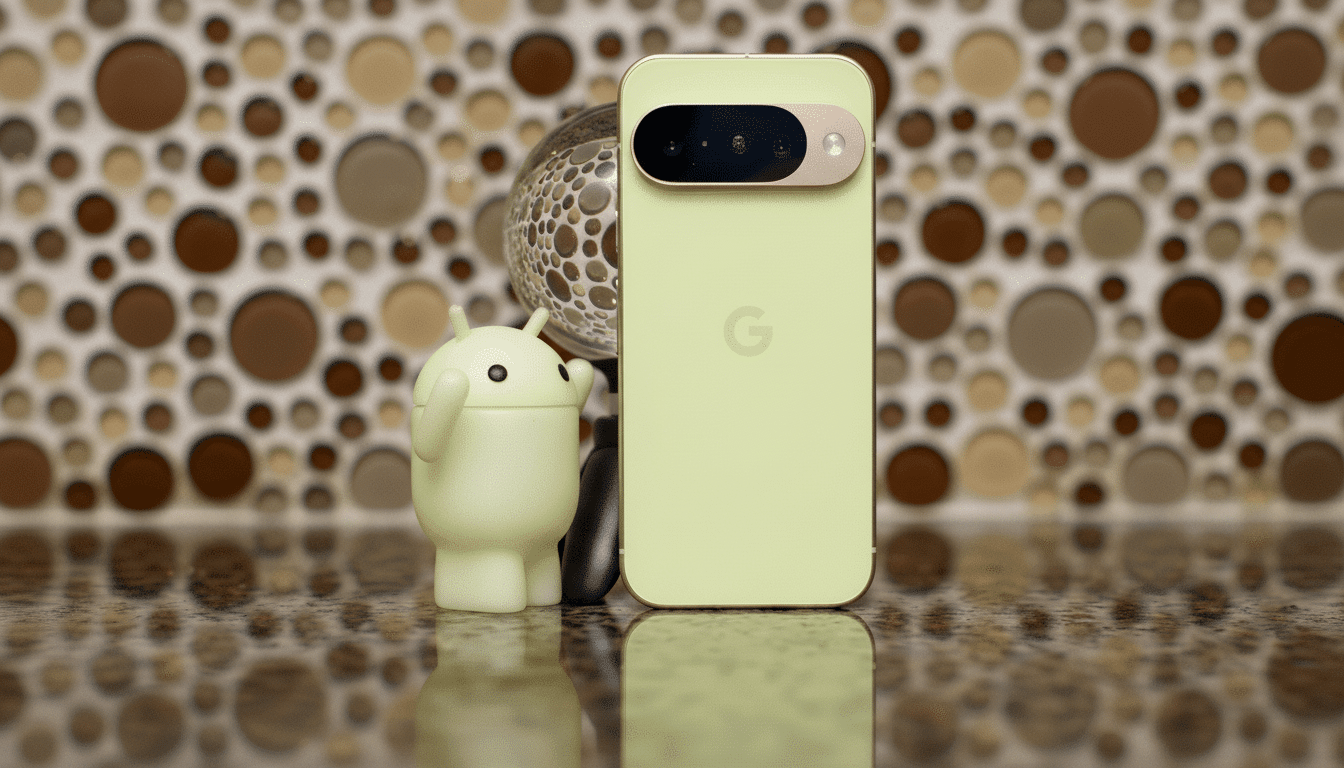
The competitive backdrop shaping expectations for Pixel 11
The optimism is also relative. Many Android enthusiasts have grown frustrated with incremental updates elsewhere, especially from mainstream flagships that iterate on design and silicon but make only minor strides in practice. In a market like the US, where carrier availability and brand familiarity so often limit choice, a Pixel that feels genuinely new—especially when it comes to AI and imaging—absorbs outsized attention.
Market observers, including IDC’s Tom Mainelli, have said as much: premium growth is in distinct experiences rather than raw specifications alone. Google’s unique software and AI story still gives the Pixel 11 a compelling narrative to sell, as rivals increasingly converge on similar hardware baselines.
The skeptics’ case and lingering concerns about Pixel 11
Not everyone is convinced. A significant percentage of you, however, raised perennial Pixel pain points—intermittent bugs, flaky network and modem behavior (in certain places), and performance lag under sustained loads. But then there are the enthusiasts who want proof that Google has effectively cleaned up past quality-control stumbles and deepened integration across camera, chipset, and software.
Those concerns are reasonable. Reliability is as important as novelty: J.D. Power’s smartphone satisfaction studies frequently find that being stable, having long battery life, and ease of use matter as much as headline features in the long run. For undecided voters, the Pixel 11 will have to show polish, not just promise.
What to watch before launch: signals to track for Pixel 11
- AI that doesn’t seem like a fantasy: scrutiny on whether new powers bring genuinely better messaging, notifications, search, and privacy—ideally with processing on your device for both speed and security.
- Camera consistency: beyond headline specs, people will be looking for faster capture, more globally accurate skin tones and low-light responsiveness, and better video autofocus and stabilization.
- Battery and thermals: each new Tensor upgrade must be tested for sustained performance, heat management, and endurance numbers rivaling—or besting—other flagship chips.
- Connection: users who travel in remote areas or want reliable modem connectivity still see this as crucial.
- Pricing and availability: competitive pricing, compelling trade-in offers, and wide carrier support may sway the so-so group identified in the survey.
The bottom line on early confidence around Google’s Pixel 11
More than half of readers we surveyed are already predicting the Pixel 11 to be top (ironic, considering it doesn’t exist), a rare pre-launch vote of confidence in a category overloaded with lookalike flagships.
The optimism hinges on Google’s history of realistic AI, solid cameras, and a cleaner Android experience—and a sense that competitors are making only incremental improvements. In order to translate sentiment into sales, the Pixel 11 needs to nail stability and efficiency before adding at least a couple of actually novel, everyday wins. If it is, this early confidence could be well-founded.
