


Rad Power Bikes has struck a deal to sell its assets to Life Electric Vehicles Holdings for about $13.2 million, a rapid turn after entering bankruptcy and a dramatic coda for one of North America’s most recognizable e-bike brands. The agreement emerged from a court-supervised auction and remains subject to approval by the bankruptcy judge.
Court filings show five bidders participated in the auction, which opened at $8 million before Life Electric Vehicles (Life EV) prevailed. When certain liabilities are factored in, the bid’s total value reaches $14.9 million, according to the docket. Retrospec, another e-bike maker, submitted the second-highest offer at $13 million and was named the backup bidder if the winning deal falls through.
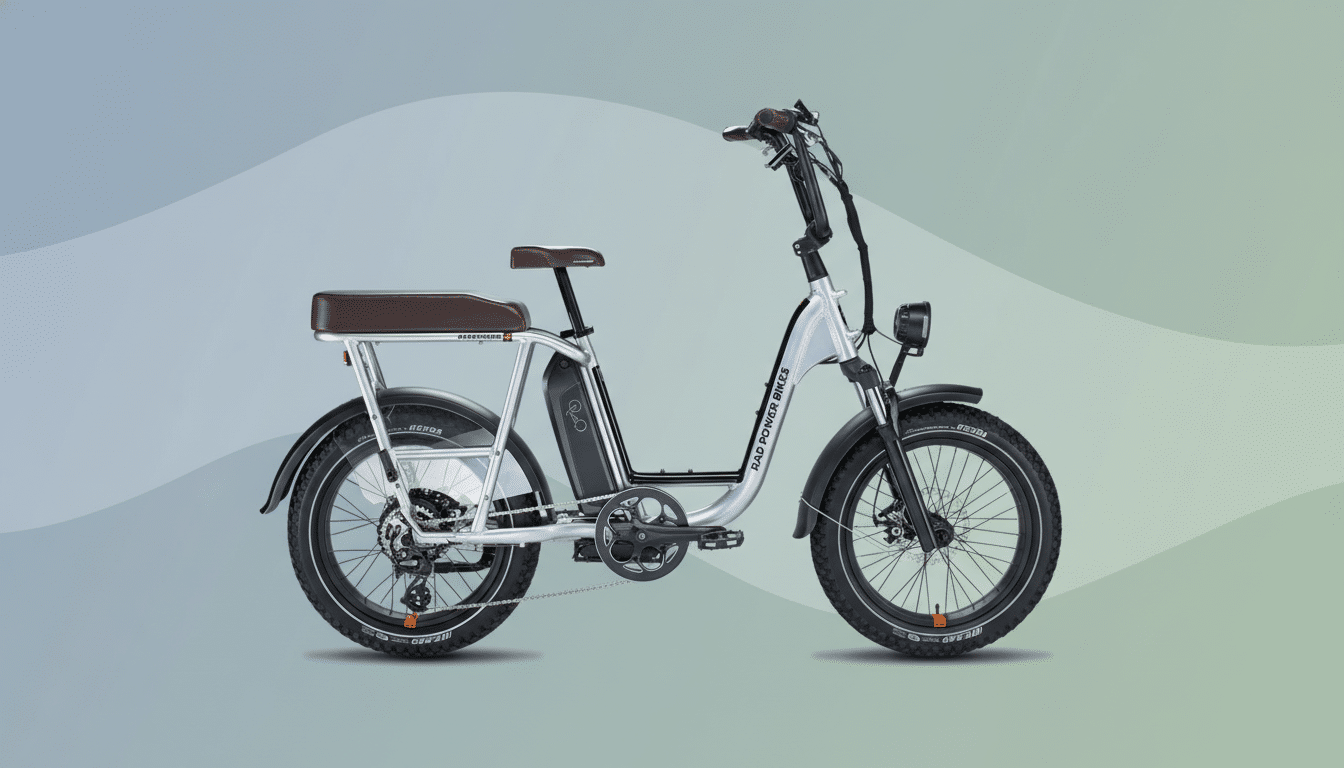
Life EV Prevails in Rad Power Bankruptcy Auction
Based in Florida, Life EV describes itself as a developer, manufacturer, and distributor of light electric vehicles. The company lists a range of e-bikes on its website, though many models have recently been marked as sold out, underscoring the importance of reliable supply and fulfillment in a tight-margin category.
Life EV has not detailed its playbook for Rad Power’s assets. Its chief executive, Robert Provost, has signaled optimism about Rad’s future but deferred specifics while the sale proceeds through the court process. If approved, the buyer would gain Rad’s trademarks, designs, and digital properties—assets that carry meaningful brand equity with U.S. riders—plus potential access to supplier relationships and tooling that could speed a relaunch.
The strategic upside is clear: Rad built a large direct-to-consumer following and a broad accessories catalog that helped it stand out in a fragmented market. The immediate challenge is equally clear: stabilizing parts availability, service coverage, and customer support, while addressing any remaining safety and quality concerns that weighed on the company.
A Stark Fall From Unicorn Status to Asset Sale
The agreed sale price is a steep discount from Rad Power’s peak $1.65 billion valuation in October 2021, as tracked by PitchBook. The company raised roughly $329.2 million during the pandemic boom, when homebound consumers and scarce automobiles helped propel e-bike demand and order backlogs across the industry.
That surge proved difficult to sustain. The Light Electric Vehicle Association reported more than 1 million e-bikes were imported into the United States in 2022, a record that left many brands flush with inventory as demand normalized the following year. As financing costs rose and return rates and warranty expenses pinched margins, several high-profile players faced restructurings or receiverships.
Rad Power is far from alone. Dutch e-bike maker VanMoof went through insolvency proceedings before its assets were acquired by a new owner. Swedish brand Cake restructured amid funding pressures. Scooter pioneer Bird also traversed the bankruptcy process. The common thread: a whipsaw cycle of pandemic-era growth, supply chain swings, and tighter capital markets.
Safety Troubles and Operational Strain at Rad Power
Rad’s operational challenges extended beyond macroeconomics. The Consumer Product Safety Commission has recorded 31 reported fires tied to older Rad batteries, highlighting the broader industry issue of lithium-ion safety, storage, and charging practices. Recalls and remediation efforts add cost and complexity, and can erode consumer confidence if not handled swiftly.
The company also cycled through leadership changes and multiple rounds of layoffs while scaling back showrooms and mobile service. Those belt-tightening moves reflected a pivot from hypergrowth toward survival—one that left Rad with shuttered initiatives, strained customer support, and a cash burn that the bankruptcy filing sought to arrest.
What the Deal Could Mean for Rad Power Riders
For current owners, the central questions are warranties, replacement parts, and long-term service. In many asset sales, buyer responsibilities for legacy obligations depend on the final purchase agreement and the court’s order. Customers and suppliers should watch the case docket for specifics on which liabilities transfer and which remain with the estate.
For prospective buyers, the near-term focus is on whether Life EV restarts production quickly and which models return first. A pragmatic path would be reintroducing Rad’s highest-volume, most serviceable platforms while consolidating SKUs and strengthening battery supply and quality assurance. Given shipping restrictions around lithium-ion packs and rising compliance requirements, a tighter, safer supply chain may matter more than rapid expansion.
The judge’s approval is the next procedural milestone. If the sale closes, Life EV will own one of the category’s best-known U.S. e-bike brands at a fraction of its former valuation—a bet that loyal riders, a refreshed product slate, and sturdier operations can turn a pandemic-era star into a sustainable business.
