


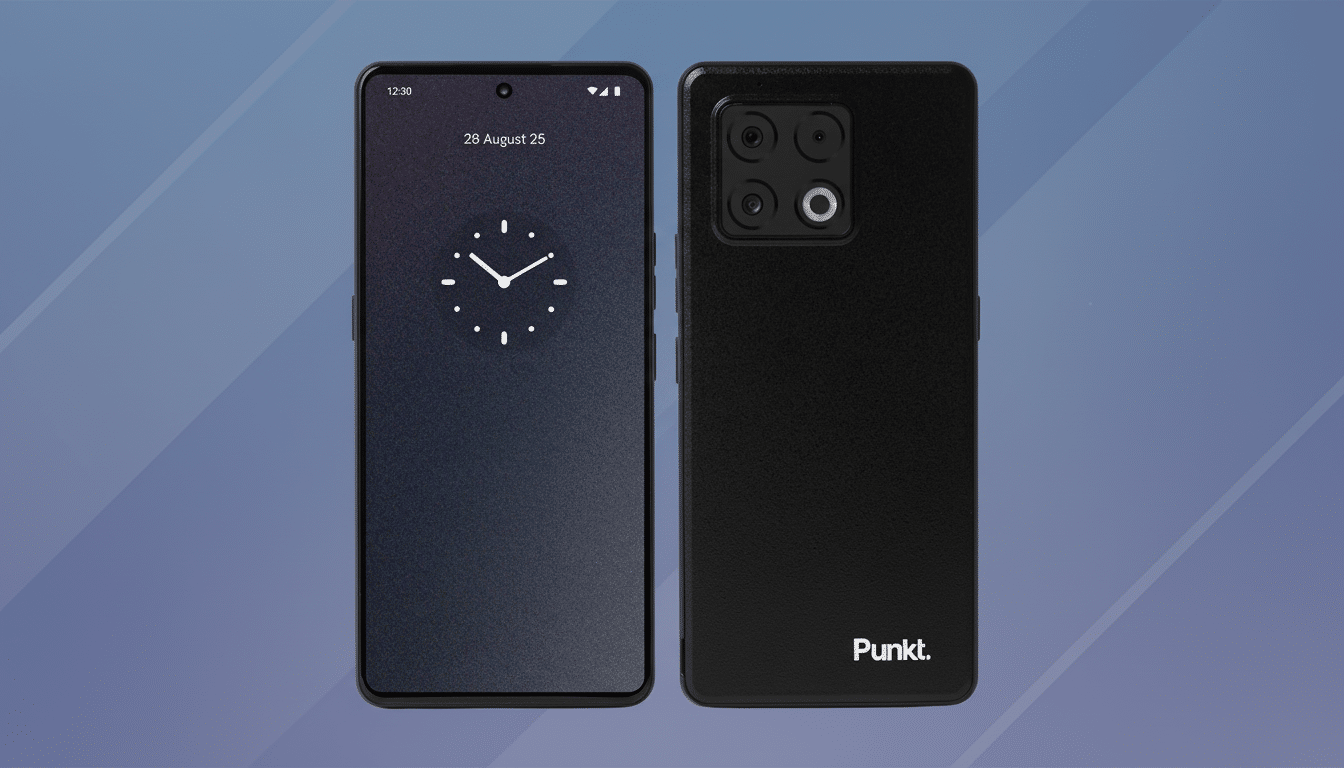
Swiss manufacturer Punkt is back in the game with the MC03, a minimalist Android phone designed to keep personal data fenced off from the adtech economy.
It runs AphyOS, an open-source version of Android designed to prevent trackers from constantly running in the background and bloating your system; and it physically splits your device’s information into two separate silos so apps can’t freely mingle or monetize all that data about what you do.
A Two-Zone Model for Separating Personal Data
The MC03 maintains a pair of databases known as the Vault and the Wild Web. The Vault is inhabited by Punkt-vetted, privacy-forward apps, like the Proton suite (Proton Mail, Proton Drive, Proton VPN, and Proton Pass). Let the Wild Web be the place to install mainstream Android apps that cross a privacy threshold, and give people explicit buttons to press on each app’s behalf if they want to put a leash on unauthorized sharing.
What it means in practice is that if you are running a messaging app in the Wild Web, you won’t be able to tap contact data protected in the Vault and analytics SDKs will have their hands tied up more tightly in social apps. That’s a way of working that accords with best practices promoted by security groups like the Electronic Frontier Foundation: Minimize what data you collect at the source, segregate sensitive information, and crack down on ambient permissions that fuel profiling.
Hardware and AphyOS in Brief: Specs and Features
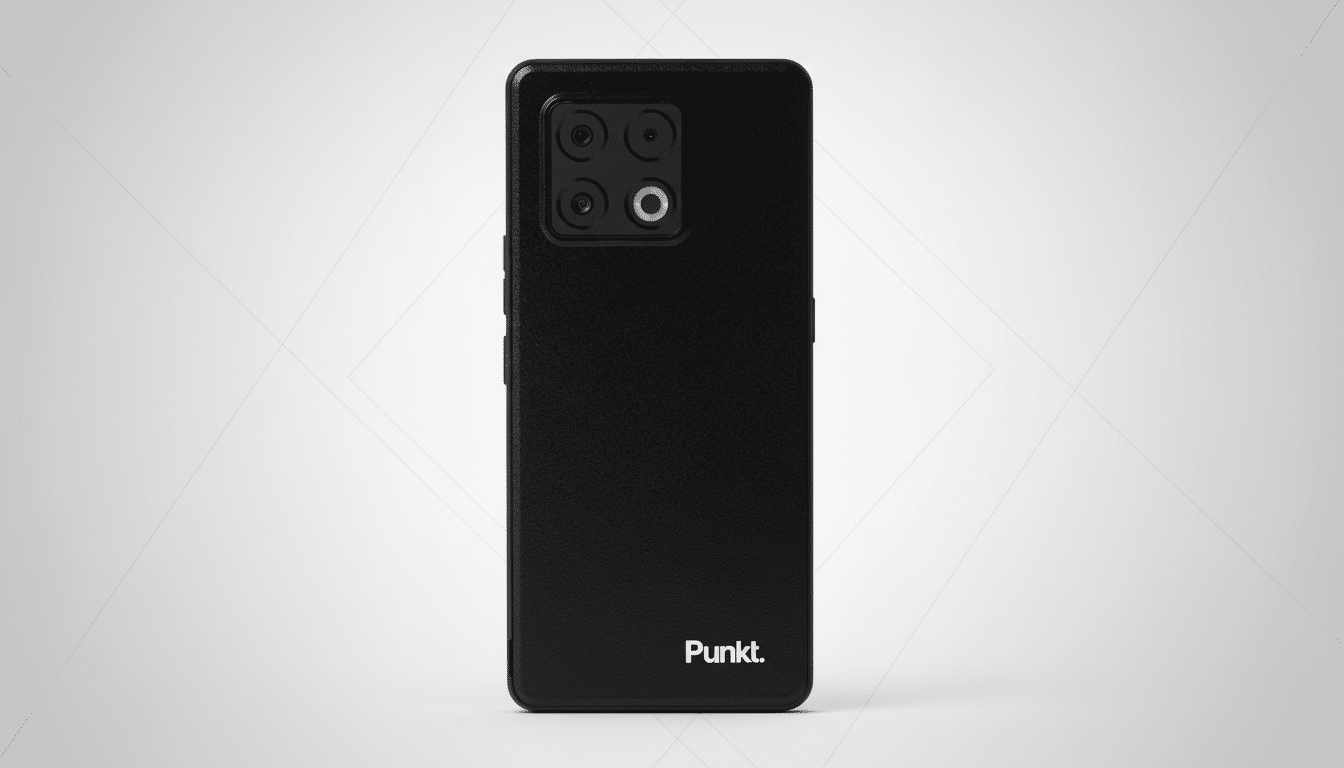
Punkt pairs that privacy posture with budget specs — a 6.67-inch FHD+ OLED running at 120Hz for smoother scrolling, an octa-core MediaTek Dimensity 7300 (MT6878) supported by 8GB of RAM, a primary camera lens worthy of only 64MP with a mere 32MP selfie shooter.
The phone is dust-tight and can be immersed (in certain conditions) thanks to its IP68 rating, and it also has a 5,200mAh removable battery — a rarity among modern handsets and an acknowledgment of repairability.
AphyOS is the differentiator. According to Punkt, the system sweeps out hidden services, default trackers, and manufacturer bloat while featuring clearer permission management. The company stresses transparency over black-box optimization, appealing to buyers who want to see what their phone is doing — not simply trust that it’s doing the right thing.
Services, Privacy, and Proton Integration Explained
Pre-installed, the Vault showcases Proton’s end-to-end encrypted apps for email, file storage, VPN, and password management to keep core communications easily within the locked area. Punkt also bundles in its Digital Nomad VPN service to add some network-layer protection when you step onto unknown Wi-Fi.
The approach aligns with broader consumer trends. Groups of watchdogs like the Norwegian Consumer Council and independent researchers have come to similar conclusions too — that common apps overcollect data via embedded adtech and SDKs. By directing users to tested tools and cordoning everything else off, Punkt is attempting to strip away the systemic tracking bias of the mobile ecosystem without making people divorce those apps on which they rely.
Price and Subscription Model, Costs and Options
The MC03 sells at $699 USD with AphyOS services in the first 12 months. After that, the subscription is $9.99 a month, or you can choose multiyear bundles: three years for $129 and five years for $199 — driving down the effective monthly sum to $5.38 and $4.15. Punkt notes that the subscription is what funds security updates, infrastructure, and ongoing OS development, not ads or data sales.
There’s a compromise: Your core privacy features are limited if you don’t have an active subscription. The company is explicit about the boundary, casting the fee as the means by which the product remains independent of a surveillance-based revenue model.
Where It Fits in the Privacy Phone Landscape
Privacy-first phones generally fall somewhere on a spectrum. At one end of the spectrum are ultra-minimalist devices, like the Light Phone, that have shed most apps; at the other are hardened Android builds like GrapheneOS on Pixel phones, which prioritize security and give you greater control over permissions at a system level. Punkt targets a middle ground: a daily driver with modern hardware, and a simple pre-opinionated way to cordon off sensitive data.
That middle ground has its own practical limitations — some apps may not pass Punkt’s bar or should demand broader permissions than the Wild Web provides. Yet for individuals who are cool with being a logicless/wordless cog in the wheel without turning their lives over to opaque third parties, a two-repository model is a pretty sensible compromise.
Availability and Early Outlook for Punkt’s MC03 Privacy Phone
The MC03 is available for preorder now, with an estimated shipping date to North America in the spring. If Punkt hits its stride with frequent updates, and keeps the Vault ecosystem sealed up tight, the MC03 has potential to serve as a practical privacy phone that doesn’t feel like settling. In a market where so many devices demand that you pay with your data, Punkt is betting more of us are ready to pay for control.
