


The most recent influx of these works into the public domain is led by early iterations of Betty Boop and a collection of Disney cartoons and comics from 1930, unloading a wealth for creators, educators and archivists. Further works from 1930 are now free to use, adapt and remix in the United States, joining iconic cultural artifacts like Ilya Ilf and Yevgeny Petrov’s “The Twelve Chairs” and Lillian Hellman’s “The Children’s Hour” as well as songs including Rodgers & Hart’s “Falling in Love with Love.”
Most works published in 1930, for example, remain copyrighted but are now entering the public domain after 95 years. That says that the words, images and musical compositions kicked into public domain from that year are now open to anyone, subject to important exceptions of what version is eligible and potential application of trademarks. The distance between a character’s earliest incarnation and how they eventually evolved is key.
The headliners in this year’s public domain class
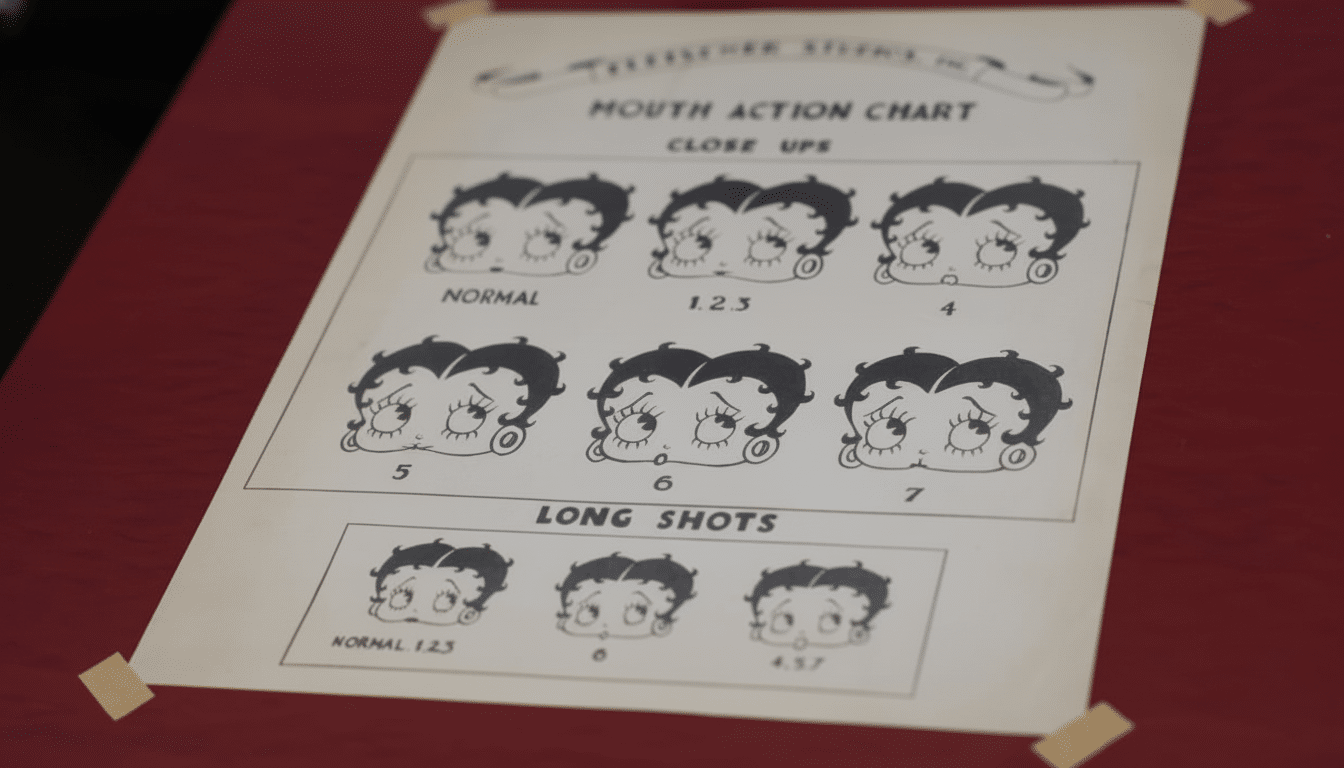
The earliest Betty Boop, as seen in the Fleischer Studios cartoon Dizzy Dishes, is now officially up for grabs.
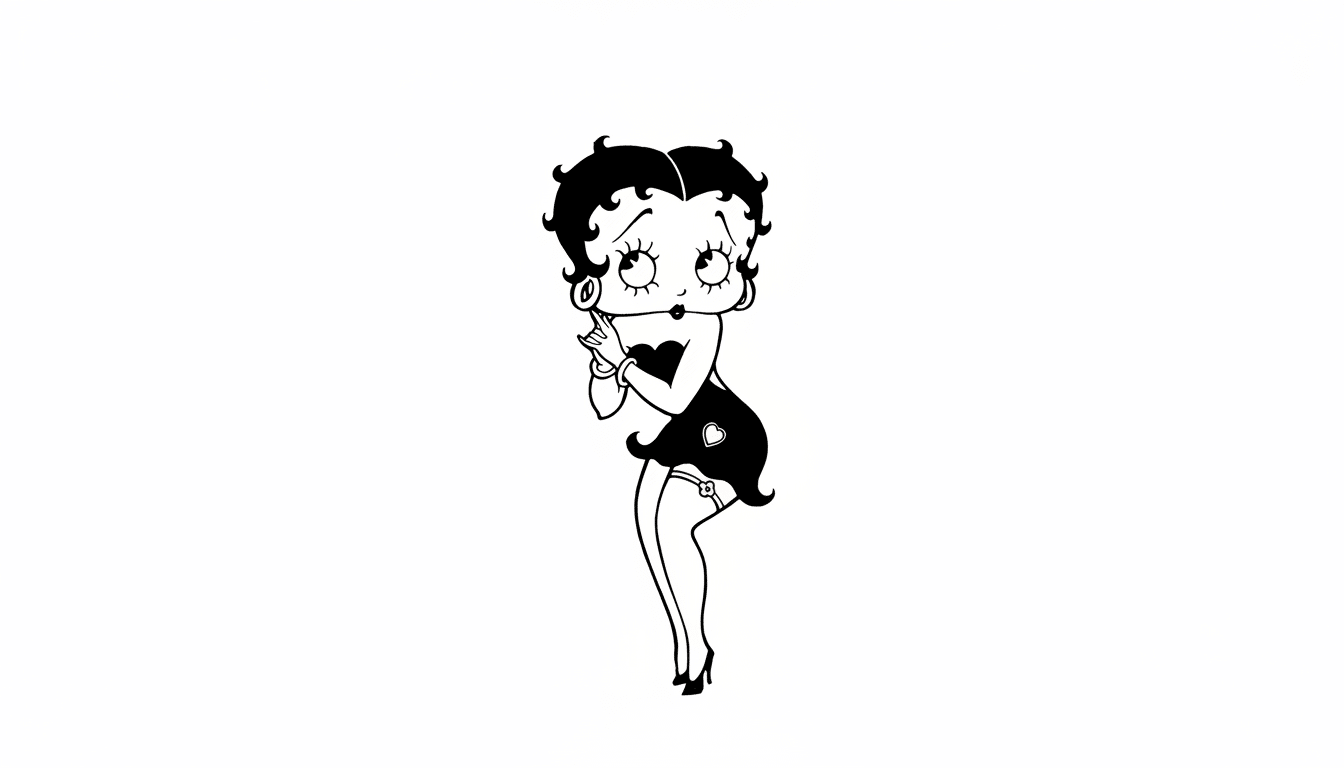
This proto-Boop has the famous peepers and pout stuck onto freakish long dog ears in an extra-crazy design that predates the fully realized human flapper. Per a scholar, and previous statements from the studio itself, later character designs and existing trademarks still stand patented, so it is just that initial portrayal that is unshackled.
Disney’s 1930 catalog gets in on the act, too. Nine Mickey Mouse shorts from that year, as well as the first year of Mickey comic strips, are now out of copyright to expand upon (as is Rover — the canine who would be renamed Pluto — from 1930’s The Chain Gang). Like Betty Boop, trademarks and later and more polished iterations of characters remain forbidden for unlicensed commercial branding or anything that suggests endorsement.
The original Blondie and Dagwood from the Blondie strip in comics join him as characters that move into public domain, opening up new interpretations of America’s archetypal suburban couple. On the film side, giants of 1930 that include All Quiet on the Western Front (dir. Lewis Milestone), Hell’s Angels (dir. Howard Hughes), The Big Trail, and Anna Christie (dir. Clarence Brown) fall into the public domain for free restoration, distribution and adaptation.
Literature sees a similar windfall. As I Lay Dying, The Maltese Falcon, Ash Wednesday and The Conquest of Happiness are already up for new editions, annotated editions, translations, stage adaptations and serialized digital versions. Anticipate small presses and educators to rush in, as they have in years past, with bright new critical editions and classroom-friendly adaptations.
Music is top-heavy in marquee compositions from 1930, though there’s also Georgia on My Mind (Stuart Gorrell and Hoagy Carmichael), Dream a Little Dream of Me (Fabian Andre, Wilbur Schwandt and Gus Kahn), On the Sunny Side of the Street (Dorothy Fields and Jimmy McHugh)… even I Got Rhythm and Embraceable You here-and-there-in-spirit Georgie Gs like Of Thee I Sing. These performances can be recorded and arranged without acquiring a license for the underlying composition, but no such provision exists for famous subsequent recordings. Under the Music Modernization Act’s accelerated timetable for pre-1972 recordings, only 1925 recordings become a part of the public domain this year; those from 1930 follow in 2031 on a 100-year schedule.
What You Can Use and What to Watch Out For
Version specificity matters. (The Center for the Study of the Public Domain at Duke University notes that it’s only free to use the 1930 version; subsequent revisions, restorations and reprints may still be copyrighted.) For movies, verify which cut or soundtrack version you plan to use. For books: keep in mind that modern intros, translations, and notes are themselves new copyrighted contributions even if the original is not.
Trademarks persist. Company names and logos that are directly associated with brands — like Disney’s character marks; or Fleischer Studios’ Betty Boop trademarks — would still be enforceable. You can make new stories and art with the public domain versions, but you cannot package them in a way that confuses consumers or implies corporate sponsorship. The U.S. Patent and Trademark Office and advice from organizations like the Electronic Frontier Foundation spell out best practices for avoiding source confusion.
Sound recordings require special care. Though the musical composition dates back to 1930, it is the classic recordings many people think of — Ray Charles’s Georgia on My Mind, for example — that are entirely different copyrights. Musicians can put out new covers or sample from 1925 recordings that are now in the public domain, but they must clear rights for later recordings or recreate the sound themselves.
This year’s public domain class of 1930, explained
Each January’s crop inevitably shapes the following year of pop culture. Public domain openings make it possible for indie filmmakers to restore and release long-unavailable prints, small labels to press archival scores, game studios and web creators to fashion fresh takes of iconic characters. (Indeed, Library of Congress collections and university archives tend to get new life breathed into them when making fresh work becomes more feasible to share and fund.)
The 1930 birth class is one of extraordinary range: literary modernism, golden age Hollywood, foundational comic characters and abiding jazz and Broadway standards. That variety encourages cross-media experimentation, ranging from podcasts and graphic novels to VR exhibits and classroom kits. If recent history is any guide, you can look for a wave of clever homages — and the occasional mischievous remix — to arrive shortly.
For creators, the next best step is homework: verify with reliable catalogs like the Library of Congress or university repositories which exact edition you’ll use, check Duke’s annual public domain report for similar edge cases and document your sources. With those guardrails in place, the class of 2026 presents one of the richest palettes for new art, scholarship and storytelling in years.
