


A new browser-based tool, called PromptBuilder, hopes to demystify working with large language and image models. Rather than wasting GPU cycles rephrasing syntax, users are able to type a basic idea and receive in return a structured, model-ready prompt guaranteed to produce clearer and more reliable results.
The pitch is straightforward: Turn a rough concept into a polished one and send it to the model of your choice in seconds. PromptBuilder works with ChatGPT, Claude, Gemini, and Llama for text as well as Midjourney, Stable Diffusion, and DALL·E for images. It also has a library of more than 1,000 templates and can adapt posts for platforms like LinkedIn, Instagram, TikTok, and X so you don’t have to reformat them by hand.
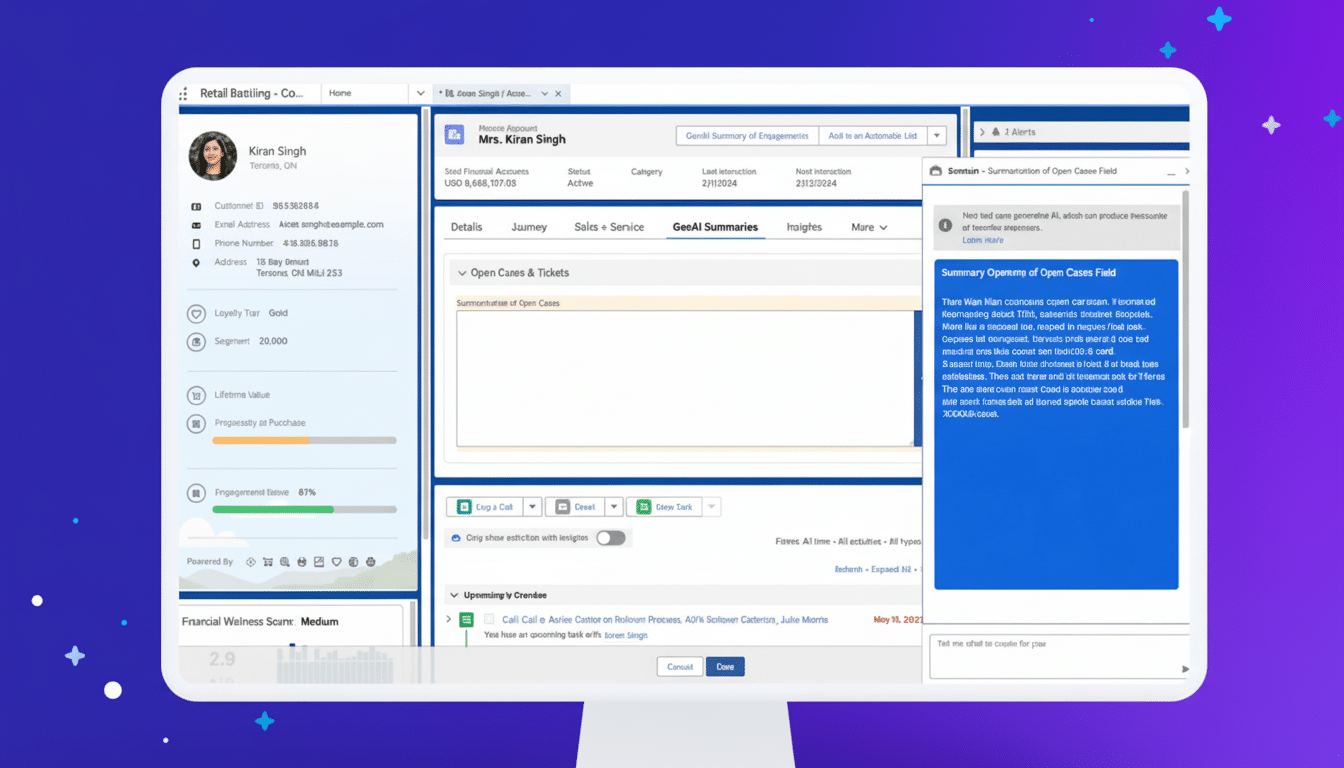
How It Works on Popular Models for Text and Images
PromptBuilder turns a simple description into a detailed set of instructions: role & goal, challenge, constraints, tone and style, examples, acceptance criteria, and optionally reusable variables. Those elements echo established prompt patterns like few-shot examples, step-by-step reasoning, and style guides that leading vendors such as OpenAI and Anthropic advise in their developer documentation.
It’s made to play well with other ecosystems. Supported options are GPT-4o and GPT-4 Turbo in ChatGPT, Claude 3 (Opus, Sonnet, Haiku), Gemini Pro, and Llama 3 for text; Meditating Face (StyleGAN PyTorch port), Midjourney, Stable Diffusion, Mantle, and BigGAN-128 in image generation. An optimization service aids in refining the prompts you already use, and a personal library keeps your top performers organized for re-use later.
The whole thing runs in the browser, which should reduce friction for teams that don’t want to install new desktop software. The company is also selling an Unlimited Plan for $199, marked down from its list price of $1,764, freeing artists from the per-credit anxiety that can discourage experimentation.
Why Prompt Quality Still Counts for Reliable AI Outputs
Despite models getting better, prompt design is still a lever for performance. A Noy and Zhang MIT study observed that exemplary scaffolding using ChatGPT increased productivity on writing assignments by 37%, a clear illustration of the ways in which guidance can cut time-to-draft and improve quality. Similar observations are made in other reports such as the Stanford HAI AI Index (Amodei et al., 2018b), where instruction clarity, examples, and constraints shape output reliability and minimize revision loops.
Businesses experience this pressure at scale. Through 2026, more than 80% of enterprises will have adopted generators of AI models in their AI products (such as generative AI APIs or models deployed into generative AI-enabled applications). Gartner Predicts 2021: Artificial Intelligence Strategy and Technology.
PromptBuilder is nothing more than the distillation of best practices: clearly defined roles, domain knowledge about the context in which you should or shall use your skills, a templating for the form of what you want to say, and some rubrics.
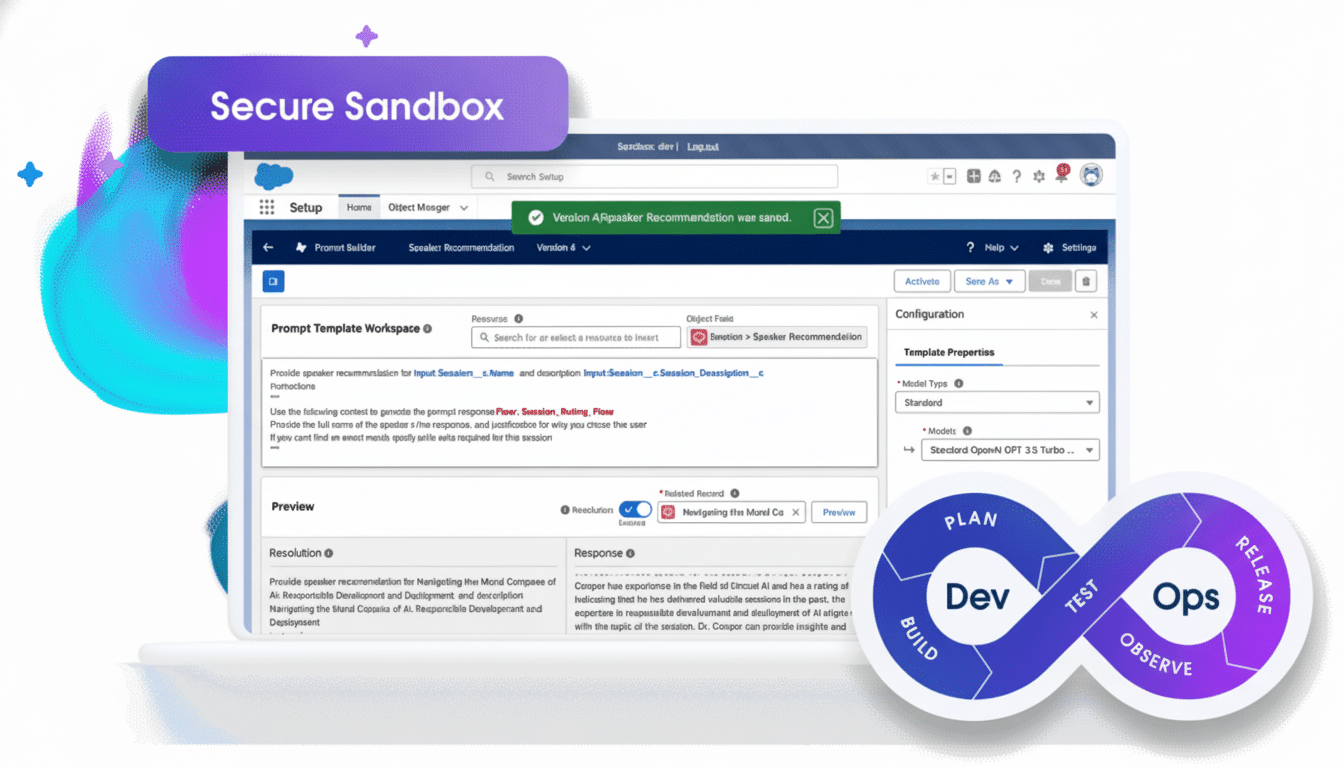
This isn’t rocket science, but we did it before others and now non-experts can play (instead I had to deal with architects telling me that “this is how expert users will do”). That can help reduce model “thrash,” the back-and-forth edits that subtly squander time and budget.
Real-World Examples in Practice for Marketing and Design
For instance, a marketer could begin with “announce our new eco bottle” and get guidance on generating a press note, the 120–150 character LinkedIn teaser (professional tone), a two to three sentence Instagram caption alongside two brand-safe hashtags, and an alt-text suggestion for accessibility. Each iteration maintains consistent product claims but adjusts voice and length for the channel.
A product manager can create user stories or sections of a PRD including acceptance criteria and edge cases, and then iterate on this same prompt structure for future features. Designers who use image models can lock in brand characteristics — palette, lighting, and composition notes — so Midjourney and Stable Diffusion outputs are consistent across campaigns.
That’s where saved prompts can help, especially for teams working across the globe who want to maintain a similar tone & terminology in different languages. And because templates are things of value, onboarding new contributors becomes faster: instead of teaching “how to talk to the model,” you just share a library that embodies what works.
Pricing, Availability, and the Bigger Picture
PromptBuilder is not another model; it is a thought layer, which helps you get more from the models you already use. That bypasses lock-in and allows teams to change providers with ease based on cost, speed, or quality. The $199 Unlimited Plan, meanwhile, goes after small businesses and creators who want to experiment without having to count tokens; bigger teams will probably take an interest in admin features like shared libraries and usage audits once Mindstamp starts getting rolled out more widely.
So is the broader market. OpenAI has announced that ChatGPT had exceeded 100m weekly active users, and competition has heated up with upgrades to Claude and Gemini. As competition ratchets up, the tools that support instant ops — templates, evaluation, A/B testing, structured outputs (JSON), and analytics — are becoming as critical as the models.
The bottom line: If you’re spending too much time coaxing models, PromptBuilder’s structured approach can help make that effort a repeatable system. Fewer retries, cleaner outputs, reliable prompts: Those are most teams’ outcomes that they currently want from generative AI.
