


Anxious whispers about a possible OnePlus exit from smartphones sparked a simple question to Android users: would it matter if the brand disappeared? The answer landed with clarity. A fresh reader poll shows strong support for OnePlus to remain in the market, underscoring the company’s outsized role in Android’s competitive landscape.
Even as the company publicly dismissed speculation that it’s winding down phones, the response from enthusiasts reveals why the rumor hit a nerve. For many, losing OnePlus wouldn’t just remove another logo from store shelves—it would dull a critical source of pressure that keeps Android hardware fast, inventive, and price-conscious.
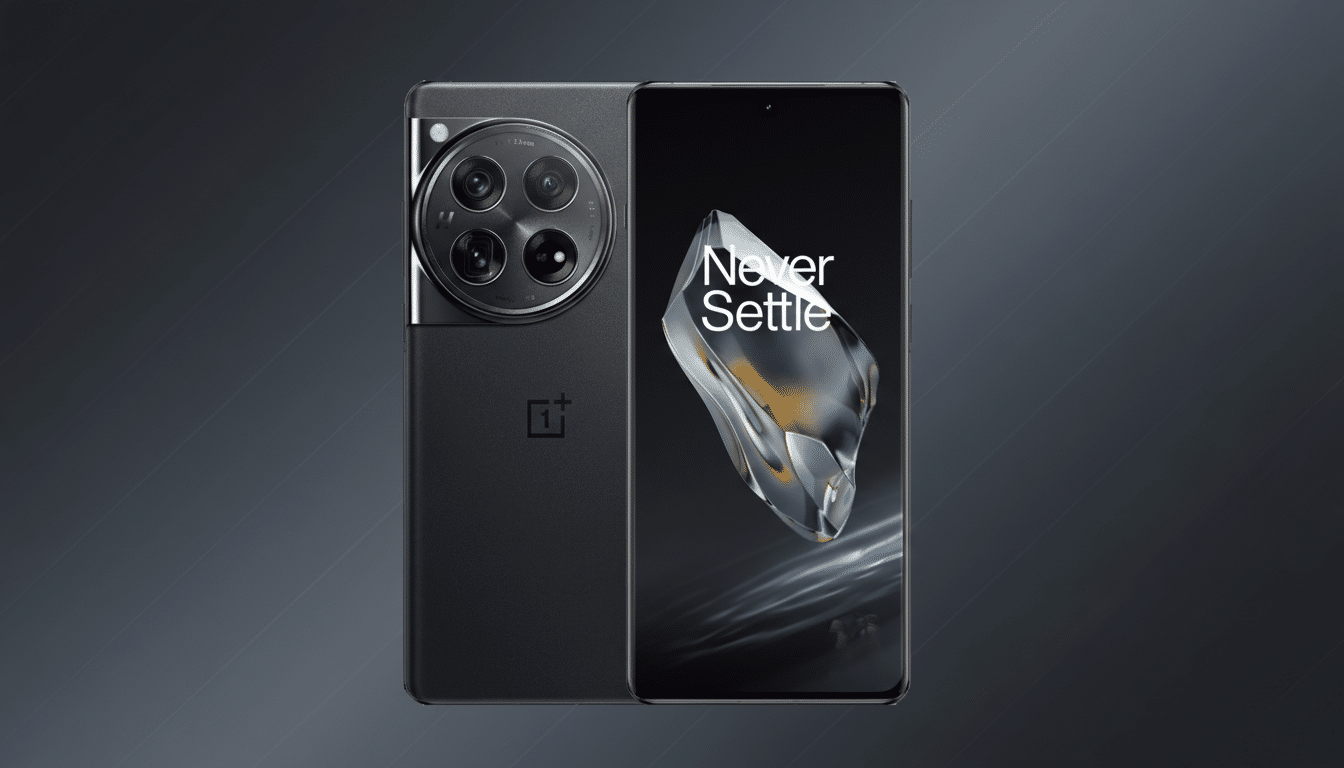
Fans Rally Behind OnePlus in Poll Showing Strong Support
The poll’s verdict was decisive. Nearly two-thirds of respondents said they would miss OnePlus as one of their preferred Android brands. Crucially, support didn’t stop at current or former owners: an additional 15% of non-users said the brand’s exit would be bad for competition, leaving only about 20% who wouldn’t mind seeing it go.
That blend of loyalty and broader market concern is telling. It suggests that OnePlus has influenced expectations well beyond its installed base—shaping what people think a fast, well-priced Android phone should look and feel like.
Competition and Innovation at Stake if OnePlus Exits
OnePlus built its reputation on performance-per-dollar and rapid iteration. Features that felt niche a few years ago—120Hz displays, ultra-fast charging, bigger base storage, RAM expansion, and clean-feeling software—are now common across tiers. Rivals moved faster because OnePlus did.
Consider charging tech: the brand helped normalize high-wattage solutions in mainstream models, compressing “top-up” times to minutes rather than hours. Its alert slider, long a small but beloved hardware flourish, nudged others to think harder about ergonomic, user-first touches. Camera partnerships and image tuning, including industry collaborations, signaled that mid-to-premium devices didn’t have to compromise on optics to stay aggressive on price.
In the foldable space, OnePlus pushed thin-and-light design and daily usability with a productivity-first approach, reminding buyers that innovation isn’t just about adding parts—it’s about subtracting friction. Even software policy has evolved, with multi-year Android upgrades and security pledges that, while not the longest in the industry, helped raise the floor across segments.
Reading the Poll Results with Care and Context in Mind
Any community poll will naturally over-index toward engaged enthusiasts, and selection bias is a fair caveat. Still, that’s precisely the cohort that drives early adoption, influences friends and family, and shapes retailer and carrier perceptions. If this group is loudly pro–OnePlus, it matters.
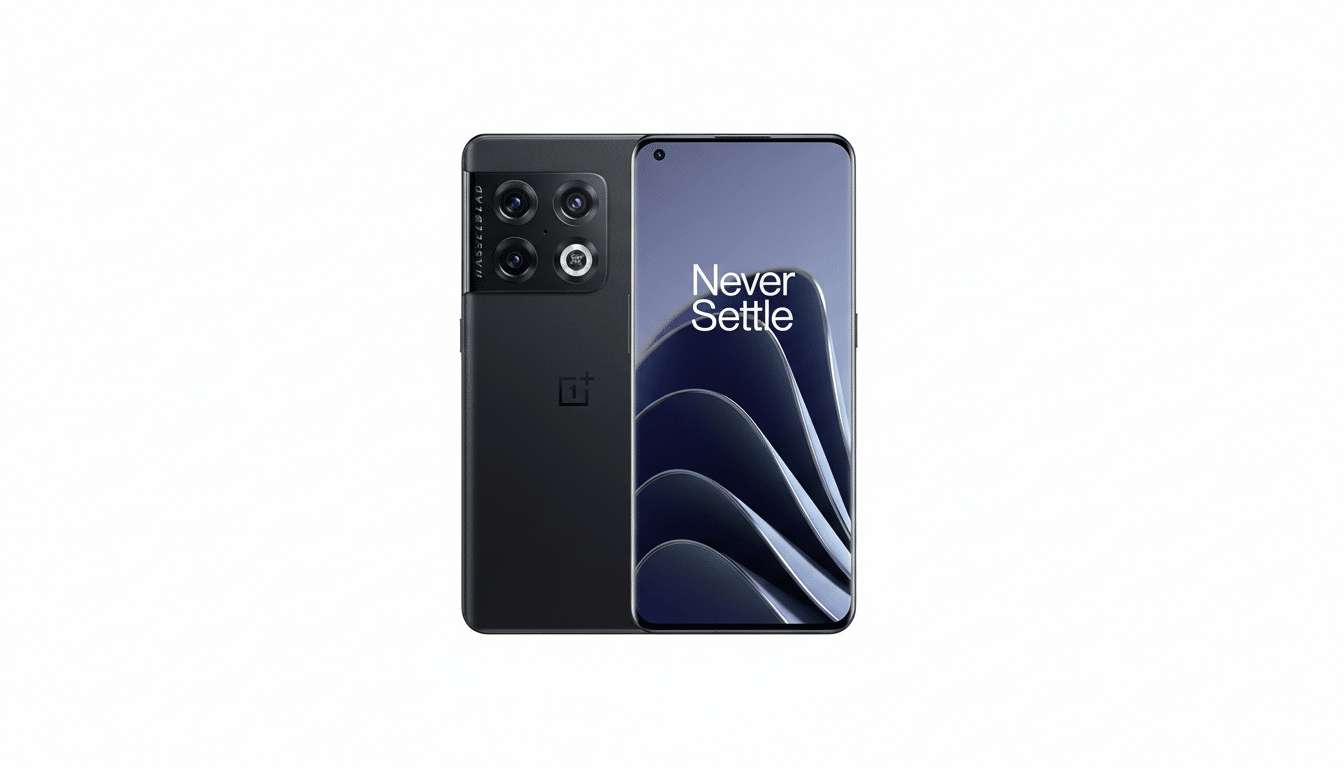
Industry context adds weight. According to IDC and Counterpoint Research, Android has consolidated around a handful of heavyweights in recent years, as brands like LG exited phones and others dramatically scaled back. Fewer viable OEMs tends to mean slower price competition and less experimentation—two areas where OnePlus has historically punched above its global market share, which analysts often peg in the low single digits.
What a OnePlus Exit Would Mean for Android Phone Buyers
For US shoppers, fewer brands on carrier shelves can translate to higher effective prices and a narrower mix of features at each tier. OnePlus has routinely forced rivals to respond with faster charging, better base specs, and promotional pricing that benefits everyone, not just its own customers.
Globally, the brand’s influence is even more pronounced in value-sensitive segments, where it has brought premium-adjacent experiences—high-refresh displays, flagship chipsets, bold designs—down to more attainable price points. Enthusiasts also point to durability and longevity anecdotes, with many reporting multi-year reliability that stretches upgrade cycles without feeling stale.
On the innovation front, recent OnePlus models have leaned into large batteries paired with efficient charging, thoughtful haptics, and software tweaks that meet everyday needs rather than chasing gimmicks. Removing a player with that profile would likely reduce the systemic pressure that gets these ideas into rival devices quickly.
What to Watch Next as Market and Partners Respond
The company has rejected talk of winding down its phone business, and the poll suggests enthusiasts want more, not less, from its roadmap. In the near term, watch for how carriers, component partners, and retail channels respond to this sentiment; visible demand can shape shelf space, marketing spend, and even regional availability.
The bigger picture is simple: Android thrives on healthy rivalry. The latest results show that fans believe OnePlus still makes the ecosystem faster, cheaper, and bolder. If the message from the community is any guide, the market is better off with OnePlus in the fight.
