


Plex made its name as the software to use for streaming across devices an individual’s collection of music, photos, and videos—a self-hosted, anti-subscription service.
Lately, though, longtime users say it is drifting right back to the very model that it set out to replace. Whether it’s tighter control over remote access or an even denser home screen full of ads and upsells, the changes are leading system owners to rethink their setup. Here are four reasons Plex is starting to seem like a typical streamer, not simply an agnostic media server.
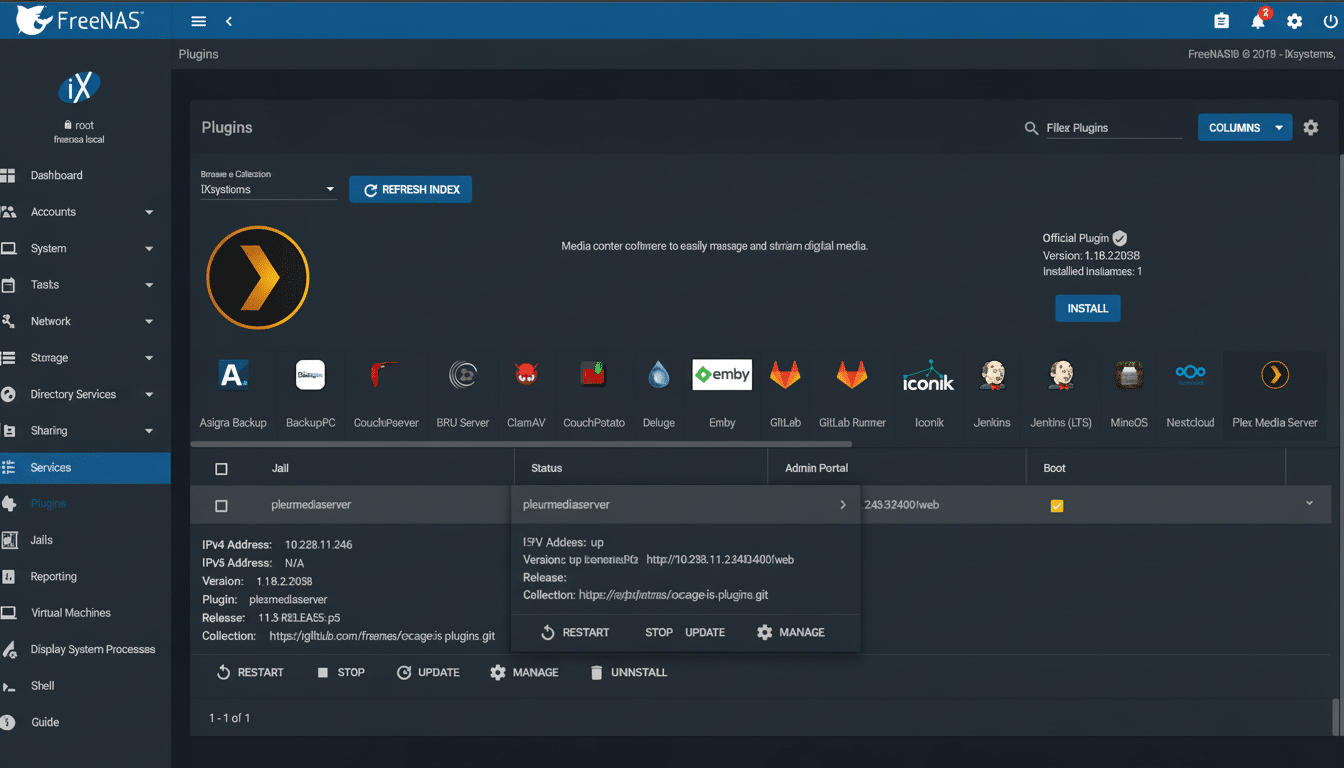
Remote Streaming Is Treated Like a Managed Service
When direct connections don’t work, Plex falls back on its cloud relay, a low-throughput connection that can result in ugly transcoding and crushed video quality. It also is worth noting that even with fast home networks, there are enough quirks between CGNAT, IPv6, and router rules that we have seen relay triggering reported for users on the official forums as well as here on r/PleX. That capriciousness contradicts the basic promise of self-hosting: you own the pipes, and they’re good. A media server should gracefully degrade on the road, not in your living room.
While the relay itself is a reasonable nightmare, what it’s actually like to use the new Plex described above reflects a traditional streaming service with bandwidth caps and server-side concessions—the very trade-offs many started using Plex in order to get away from. It’s a further reminder that Plex’s cloud is more and more in the mix.
Home Screen Puts Ads Ahead of Your Library
Open Plex today and you’ll find the first thing in your face isn’t necessarily a carefully made collection of great films; instead, it might be tiles for free ad-supported movies, live TV channels, or cross-platform watchlists. FAST services are growing—Nielsen has indicated steady progress for ad-supported streaming with The Gauge—but Plex’s obsession with pushing them to the fore makes it as uninteresting as any other commercial platform.
Yes, you can turn off many of the rows, but users frequently say that promotional carousels and recommendations come back after updates. Those nudges erode the “my server, my rules” ethos and make the home page into a billboard. It’s a stark departure from the clean, library-first interface that won Plex its fanbase.
Paywall Creep Reaches Features That Used to Be Basic
Plex Pass is a fair means of support for development, but the list of must-have features behind the wall just keeps growing. Mobile playback, hardware transcoding, Skip Intro, DVR, and full-featured remote access are all features that are locked to subscribers. The monthly price has increased to about $7, from $5, according to the company’s pricing materials.
Charging for advanced tools isn’t anything especially odd; it’s the placement over time of once-free or lightly restricted features into paid space that’s the annoyance. That pattern is less about paying for convenience and more about paying to remove friction that wasn’t there to begin with. Power users—frequently people using Intel Quick Sync or NVIDIA NVENC to transcode as efficiently as possible—are getting squeezed the most.
Ownership Disappears in Region Locks and the Cloud
For a lot of users, Plex’s appeal was ownership: your files, your metadata, and your rules. But aspects of the experience now rely on third-party licensing. Trailers, commentary, and behind-the-scenes content may not be available for all titles you own even if they are available on the desktop version. Metadata collections also rely more heavily on cloud lookups, and the platform encourages account-linked capabilities such as cross-service discovery and watchlists.
That produces a mild dependency on Plex’s contracts and infrastructure, for better or worse. When posters, extras, or the reach of recommendations respond differently to legal geography and login status, self-hosted seems an awful lot like a gated platform—one where your experience adjusts itself should a contract change.
What Power Users Are Doing Instead of Staying on Plex
Alternatives have matured. Jellyfin is 100% open source and an extremely privacy-friendly project that keeps advertisements out of your face and has an uncluttered home screen. It’s known for its fast media indexing. Emby sits somewhere between Jellyfin and Plex, with a more polished interface and a paid tier that’s viewed as less invasive. Both solutions can import existing folder structures and metadata exports, so you’ll likely be able to migrate over a weekend instead of rebuilding the wheel.
Migration, it seems, accounts for the r/PleX subreddit’s more than 300,000 members, whose contributors are flush with migration tips and tricks—from saving watch history to mapping hardware transcoding on Synology and QNAP NAS boxes. The punchline: you are not locked in. For now, if Plex’s new guardrails don’t align with your goals, the path out is simple.
Plex still gets a great deal right, and for many homes it’s the easiest on-ramp to a personal streaming setup. But where the service is headed—more cloud intermediation, more ads, more locks on what it can do—makes it seem less like a neutral media server and more like streaming services it once upended. That’s the irony users are bristling at, and it’s why more and more are willing to try alternatives that take control back to its source: right onto their own hardware.
