


Good news for Pixel testers who have been riding the beta train and are now looking to get back on something a bit more sedate.
Google has launched a secure on-ramp from the Android beta track to the final release of Android 16 QPR2, and—importantly—you can migrate without needing a wipe. This window doesn’t remain open indefinitely, though, so if you’ve been craving a clean exit back to daily-driver reliability (to go along with your 38-cent-per-gallon E85 bill!), now’s the time.
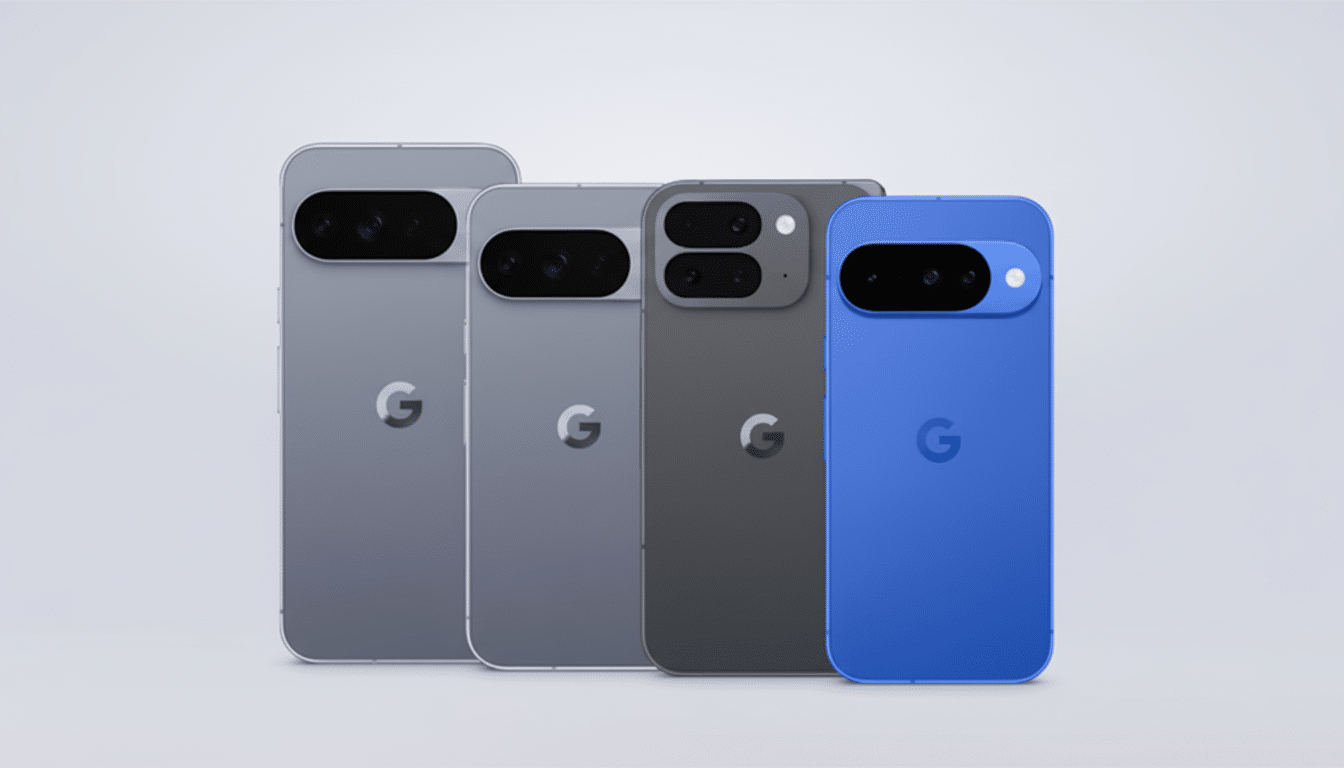
What Safe Opting Out Looks Like for Pixel Beta Users
When you exit the Android Beta Program, your device is factory reset. That’s because rolling back to an older stable version from a beta build may cause issues that make your system unresponsive. That would be the case—unless Google publishes the public build that corresponds to the beta track your device is running. Android 16 QPR2 is already live, and Pixel owners who are part of the beta program can choose to unenroll and get the stable update, which will not erase apps, text messages, photos, and settings.
Google’s beta documentation has said as much for a long time: install the public release of whatever track you’re testing, and you can get off without having to start over. The catch is timing. This “no-wipe” path is a temporary path, available for the brief period after 3.1.7 swallows Stabilization QPR and before a build number divergence occurs again.
How to Leave the Pixel Beta Without Wiping
The process is straightforward.
- Go to Google’s Android Beta for Pixel page, find your enrolled phone, and choose the option to opt out.
- On your phone, go to Settings > System > Software update and check for the new build.
- The Android 16 QPR2 update should appear over the air (worldwide) and be ready for installation.
- Install it, allow the device to reboot, and you’ll end up back on the stable channel with your data intact.
If the OTA doesn’t appear instantly, give it time—Google typically releases these in waves—and make sure you’ve completed the opt-out procedure. Check for updates again after manually rebooting. Do not switch before the stable release of that build is flashed to your device; if you do so, you can still trigger a factory reset.
Who Is Eligible and What to Expect During Opt-Out
This safe exit applies to qualified Pixel devices currently on the Android 16 beta track. Just as with all platform updates, availability may vary based on carrier timing and regional staging. Admin policies may prevent you from making enrollment changes to corporate-managed devices; if the phone is under management, for example, ask your IT or admin.

Everything should stay put, but in case you want to be safe rather than sorry, do a quick backup using Google One or your favorite local service before updating. If you rely on developer options, beta-only features, or test apps that are linked to preview APIs, expect those to act funny—or to disable themselves—once you’re on stable. Security patches, modem updates, and Pixel-specific changes from QPR2 are included, so you will have a smoother experience with fewer background issues than Q Beta 5 on the home stretch.
Why QPR2 Matters for Stability on Pixel Devices
The Quarterly Platform Releases are Google’s big maintenance drops; they bring all of the fixed bugs, performance improvements, and Pixel Feature Drop additions that Google isn’t including in monthly security patches into one large, well-tested build. In previous QPRs, Google’s release notes have spanned dozens of lines and addressed an array of subjects that includes Bluetooth reliability and modem handoffs to camera stability and battery drain culprits. QPR2 is usually where quirk-fixing for early-version issues happens after the initial rush of user eyes, which makes it a smart landing place to stay if you put reliability over playing with the newest beta.
Key Caveats and Troubleshooting for a Safe Opt-Out
The no-wipe window is temporary. The factory reset will trigger again when the stable QPR2 rollout moves past the build fingerprint. If you miss the window, you must continue to stay on beta until beta matches again, or take a reset during opt-out.
If the stable update didn’t arrive as soon as you left, double-check on your device to ensure that it’s still showing as unenrolled on Google’s beta page, and verify your build number. Patience can fix it (usually), but advanced users can use official factory images or full OTA packages with ADB—both of which are methods that either keep or erase your personal files, depending on the method you take. See Google’s support advice if you don’t know which route meets your comfort level.
Bottom line: If you’ve been beta testing Android 16 and people are looking at you funny when your phone crashes, the run-of-the-mill stable path is open again. Good news: you can opt out now and receive the stable Android 16 QPR2 OTA bearing software version 16.1210.P88 with all your data intact—yes, without losing any of it.
