


Google seems to be testing a Pixel Launcher enhancement that would surface your open browser tabs directly in search results, a feature Samsung implemented on its recent Galaxy tablets. The change, which 9to5Google observed in a recent canary build of the Pixel Launcher, suggests that tabs could resume even more quickly, all without jumping back into Chrome.
What Google Is Testing in the Pixel Launcher Canary Build
A new item called “Show browser tab tiles” has started showing up in the Pixel Launcher’s App list settings in an Android Canary build (2512). That description makes it appear that the launcher will essentially star tiles for restarting browser tabs, bringing your recent browsing sessions into the universal note-taker and search tool Google Now already has become with its indexing of apps, contacts, settings, and Play Store results. The toggle doesn’t actually do anything yet, but its appearance suggests that Google is working to lay the groundwork for deep Chrome integration at the launcher level.
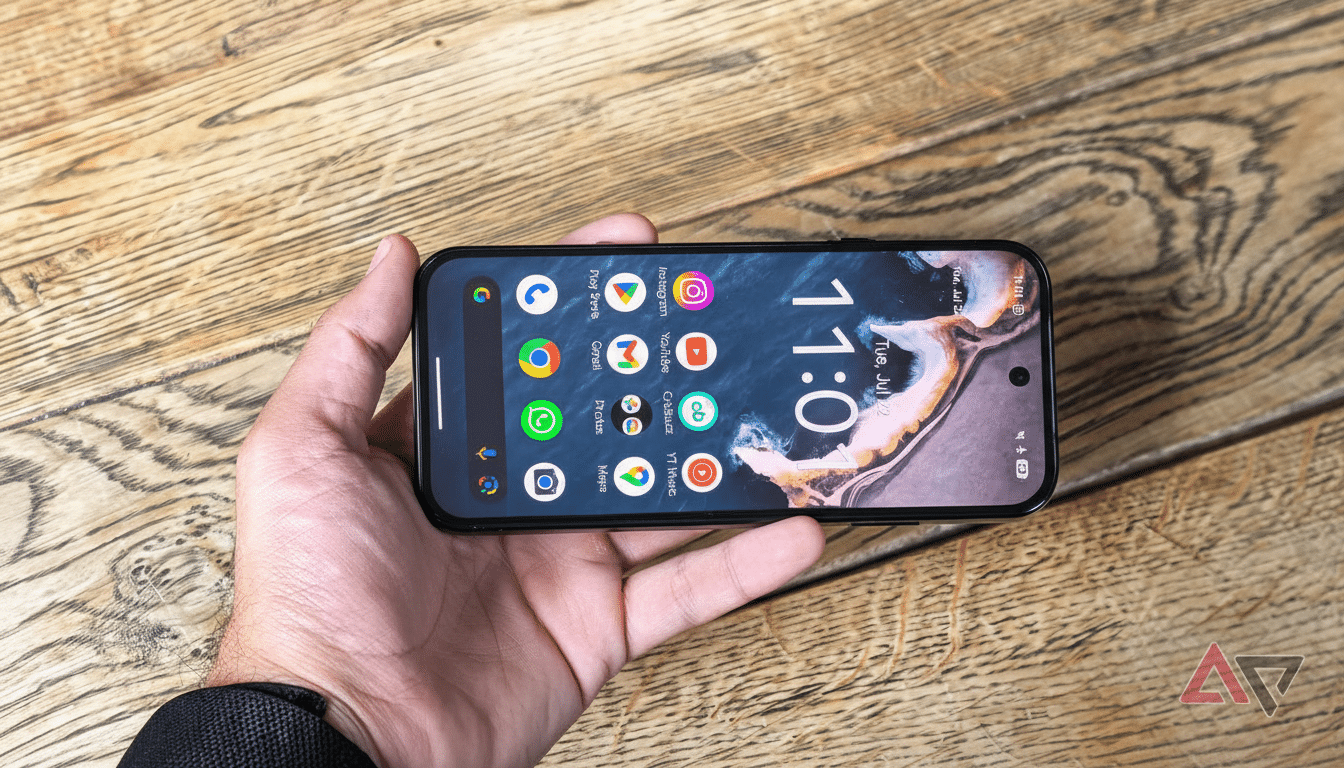
Pixel-wise, universal search has been expanding gradually since Android 12, and this would make the most sense next: to incorporate live context from the web in the place you already go when you’re jumping between apps or settings. In practice, that might mean a query matched, like “mortgage rates” or “best running shoes,” could pop out a tappable card for an open tab alongside app results when you search, cutting steps off your daily life.
A Trick Taken From Samsung Tablets: How It Works
Samsung owners might recognize this. Some past Galaxy Tab models like the Tab S10 Plus, Tab S10 Ultra, and likely the future-facing one called Tab S11 — Chrome can share your open tabs with the operating system to ensure open tabs show up in not just Samsung Finder but One UI Home search as well. The Chrome setting, nestled in Advanced options for tabs and groups, sends One UI the titles and URLs of tabs that you had open in the past week so they can crop up in search results for quick resumption.
No such feature has been available on Pixel hardware—until now, that is, with Google’s new launcher toggle. Whether Google is doing the same sort of OS-level interface work in Chrome on Pixels or it has built a launcher-side indexing pipeline doesn’t much matter for users: you open the launcher, type something in, tap a tab tile, and there you are again.
Why This Is Good News for Pixel Users and Multitaskers
Reducing the friction between on-device search and web activity is a small but very meaningful quality-of-life upgrade. Chrome is the most used browser on Android, and it claims about 64% of the global browser market, StatCounter says. If the majority of Pixel users browse in Chrome, having tabs built directly into their system-wide search would save an immense number of micro-interactions per day.
Consider it continuity minus the pomp: search “tax forms” from the home screen during a call, and instead of reopening Chrome and rifling through the tab switcher, you see a tile for the very page you left open last night. For multitaskers who live in dozens of tabs, this is the sort of quiet productivity enhancement that fast becomes indispensable.
Privacy and Scope Questions for Tabs in Pixel Search
Samsung’s take is an opt-in feature that only exchanges tab titles and URLs with the OS for a period of up to seven days. Google hasn’t explained its method, but if the feature ships widely on Pixel, expect similar controls. Google, for its part, doesn’t even have browser tabs in the “indexed content” section of its support documentation—at least when it comes to Pixel search—so that’s evidence this is still under testing.
Two open questions remain.
- Is this going to be only for tablets as Samsung does, or will phones get in on the action?
- Will it be Chrome-only or “browser-agnostic”?
Note the toggle is surfaced on a phone build, so phones are very much in play. The wording is “browser tabs,” but because Chrome is the default on Pixel, it seems like the most likely initial beneficiary. Whether Firefox or Edge can plug into the same pipeline, using APIs Google exposes at the OS level, may be another matter altogether.
When to Expect a Rollout for Pixel Tab Tiles Integration
Things we see in canary builds often land through server-side flags or Play Store updates weeks or months from the date, so possibly this will arrive with a Pixel Feature Drop as well. Since this involves changes to the launcher and browser, you might not see it all at once: an update to Chrome (which would unlock sharing) followed by an update to Pixel Launcher that starts surfacing tab tiles for some people.
For now, though, take this as a very promising teaser. If it does these tab tiles, Samsung-style, on Pixel phones, they will close the loop between search and apps (or sites) and the web in a place where modern mobile computing keeps getting closer.
