


Fresh leaks point to the Pixel 10a landing at roughly €500, undercutting its predecessor by about €50 and signaling an aggressive push into the midrange. Tempting as that sounds, price is not the hurdle anymore. Trust is. After multiple battery-related controversies across recent A-series generations, a cheaper tag won’t get me back on board.
Why a Lower Price Won’t Seal the Deal Anymore
Value phones live or die by longevity. Any savings at checkout vanish if the hardware ages badly or needs unscheduled repairs. Battery integrity is the single biggest variable in that equation. If I’m budgeting for a daily driver I’ll rely on for years, I need confidence that the battery will behave predictably, not just for a few months, but well past year two.
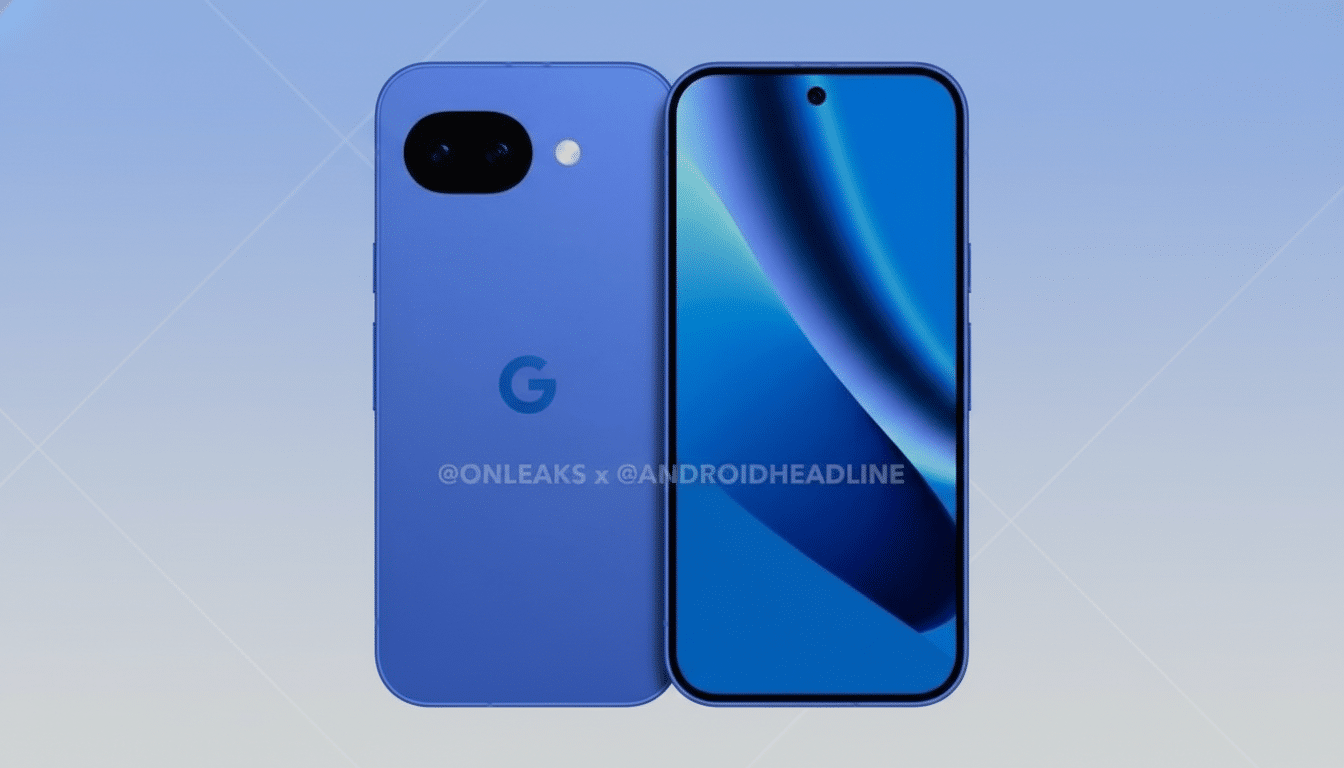
That confidence has been chipped away. A midrange phone that risks downtime, safety scares, or forced performance trade-offs is more expensive than it looks. Even a $100 battery swap is too steep if the mechanism fails again or undermines charging speed and usable capacity in the name of “health.”
A Troubling Track Record On Battery Safety
Consider the run-up of cases across recent generations. Select Pixel 4a units received a “Battery Performance Program” update paired with free battery replacements. Soon after, recall notices for the model were posted by Product Safety Australia, overseen by the ACCC, and later by the UK’s Office for Product Safety and Standards. Owners reported reduced endurance and concerns over overheating risk—hardly the outcome you want from a so-called fix.
Then came the Pixel 6a incidents. At least five devices were reported to have caught fire, according to widely circulated consumer reports. Australia’s safety authorities subsequently issued a notice for that model as well. Even if the absolute number of cases was small, fire is a zero-tolerance failure mode. It only takes one incident to break trust.
The Pixel 7a added to the anxiety. Google acknowledged instances of battery swelling and offered free replacements or compensation depending on the market. Credit where it’s due for addressing affected users—but the pattern across consecutive A-series releases raises questions about quality control, supplier vetting, and post-launch risk management.
Battery Health Assistance Raises New Questions
The newer approach is software-driven. On the Pixel 9a and reportedly across the upcoming generation, Battery Health Assistance quietly governs charging speed and capacity over time. On paper, the idea is sound: temper peak stress to extend battery lifespan. In practice, making this behavior effectively mandatory—without a clear, user-facing toggle or transparent thresholds—feels like papering over deeper reliability worries.
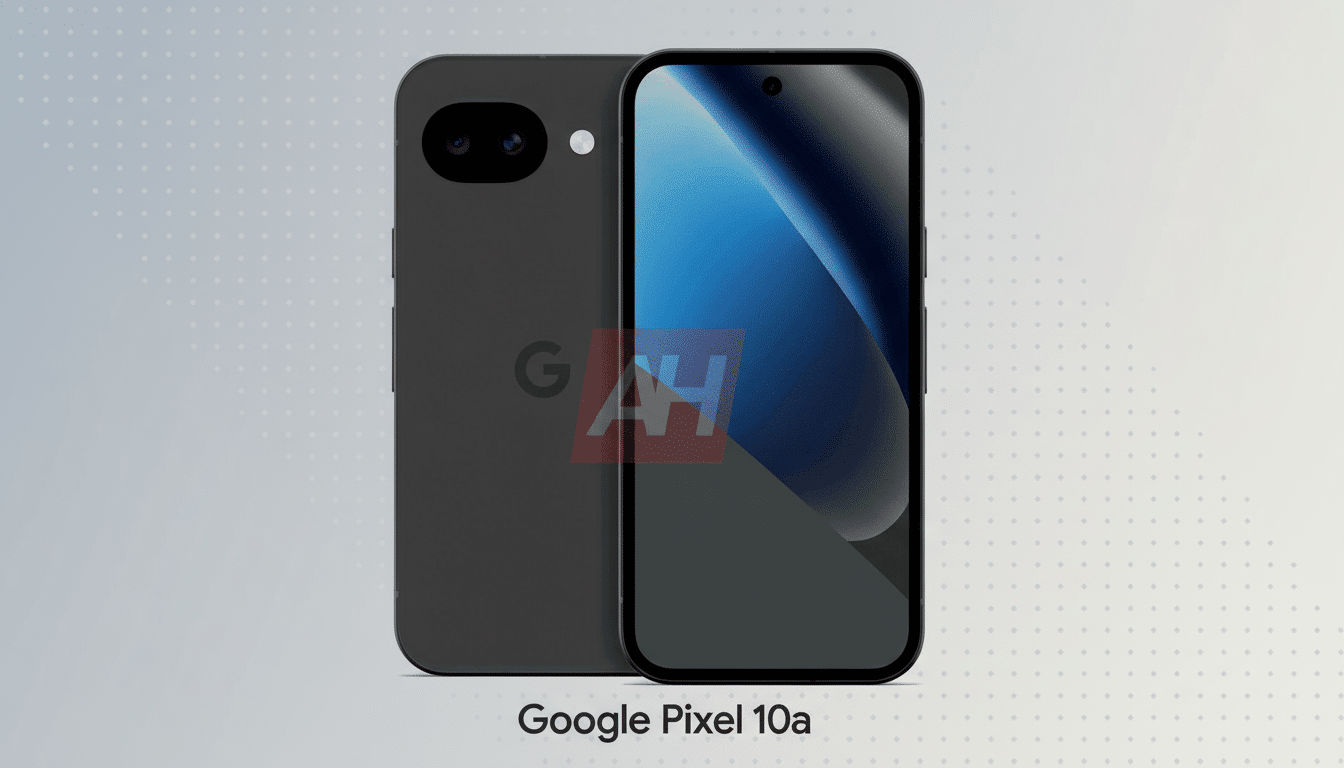
Older models had features like Adaptive Charging that users could control. When autonomy tools become non-optional, customers reasonably ask whether performance is being throttled to avoid repeat failures. Without rigorous public documentation, it’s tough to separate proactive care from damage control.
Transparency Is the Missing Feature Buyers Need
This isn’t a call for perfection; batteries are complex, and adverse events can happen to any brand. It’s a call for transparency at the caliber we saw after the Galaxy Note 7 crisis. Samsung commissioned a multi-organization investigation, held a press conference, and released detailed findings on electrode design and manufacturing variances. That level of clarity helped rebuild confidence.
To win back cautious buyers, the playbook is straightforward:
- Publish a technical account of root causes across the affected A-series models.
- Extend battery defect coverage beyond the standard warranty horizon.
- Share anonymized failure-rate statistics by batch and supplier.
- Invite independent validation from labs such as UL Solutions or TÜV.
Price Cuts Don’t Fix the Confidence Gap for Pixel 10a
Could the Pixel 10a arrive at $450, $400, or even lower? Possibly. But sticker shock isn’t the problem. The problem is that a phone is the most-used device most of us own, and a pattern of battery woes—recalls, swelling reports, fires, and now mandatory background management—changes the risk calculus. Until there’s transparent evidence that the cycle has been broken, I won’t buy it and I won’t recommend it.
If the company delivers a clear, engineering-led reset on battery reliability, I’ll be first in line to reassess. Until then, a cheaper Pixel 10a is still too costly in the one currency that matters most for a daily carry—trust.
