


Google’s next budget Pixel just took a clear step into view, with a fresh leak pointing to firm European pricing and even a specific on-shelf day. The details, attributed to retailer listings surfaced by prominent tipster MysteryLupin and echoed by industry reporter Roland Quandt of WinFuture, suggest the Pixel 10a could land earlier than many expected and for less money than its predecessor at launch.
Pricing Signals A Shift In Midrange Strategy
The leak pegs the 128GB Pixel 10a at roughly €500, while the 256GB option is said to sit around €600. Indicative currency conversions put those figures near $582 and $699, though final numbers will vary by market and tax regime.
If accurate, that would undercut the Pixel 9a’s European launch tags of €549 and €649 by about €49 on each tier. That’s a reduction of roughly 9% for the base model and about 8% for the higher-capacity variant. In a segment where €20 to €30 can sway buyers, that gap is meaningful—especially as component costs and currency swings have nudged many midrangers upward over the past two cycles.
It’s also a reminder that European stickers reflect VAT, so comparisons across regions can be misleading. Expect country-by-country variation, with the possibility that US and UK pricing won’t mirror the same discount curve.
Retail Timing Points To An Early Shelf Date
Beyond pricing, the leak claims retailers have a precise calendar day earmarked for availability, rather than a vague window. Quandt had previously signaled a mid-month timeframe, and the latest chatter narrows that to a single date in internal systems—often a sign that marketing and channel plans are locked in.
While launch schedules can shift, retailer-database timings tend to be more reliable than speculative whispers. They’re used to coordinate stock, display materials, and staff training, and usually appear when a product is within striking distance of shelves.
Storage And Colors: What To Expect At Launch
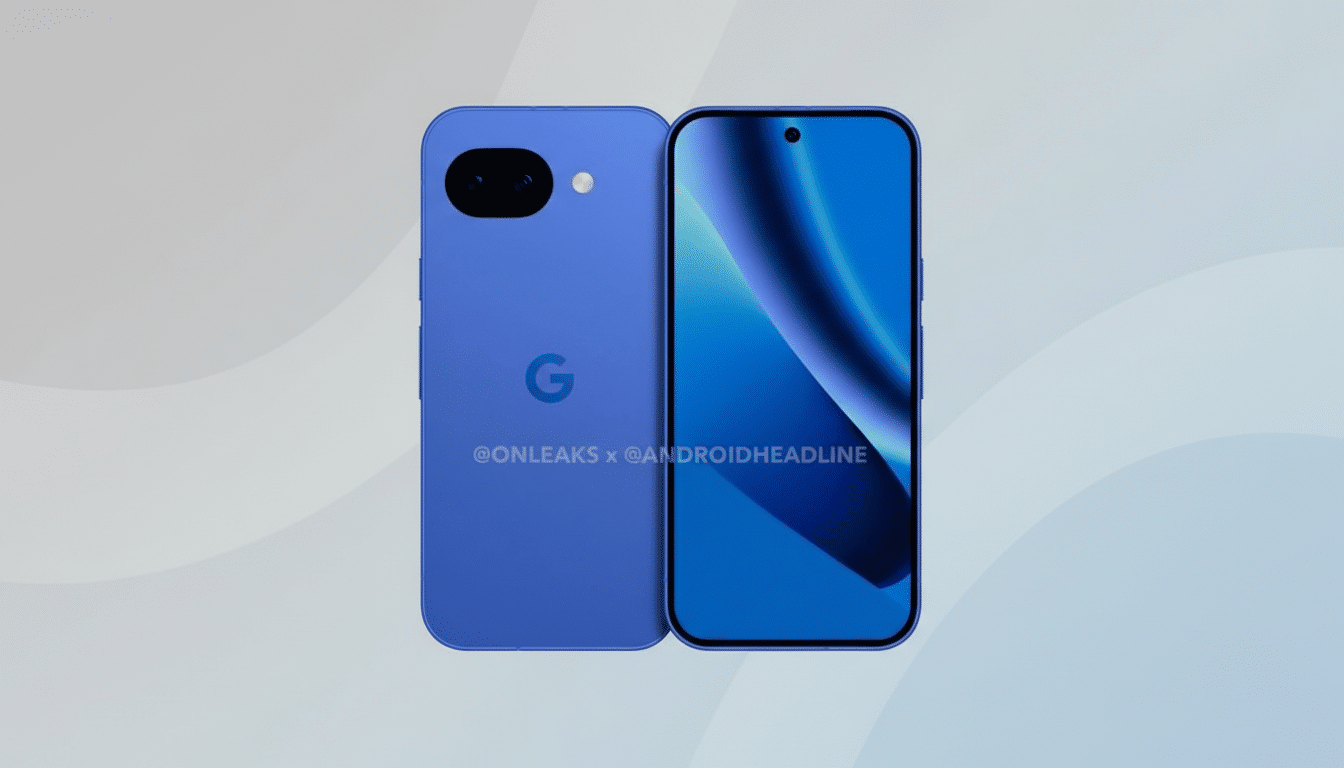
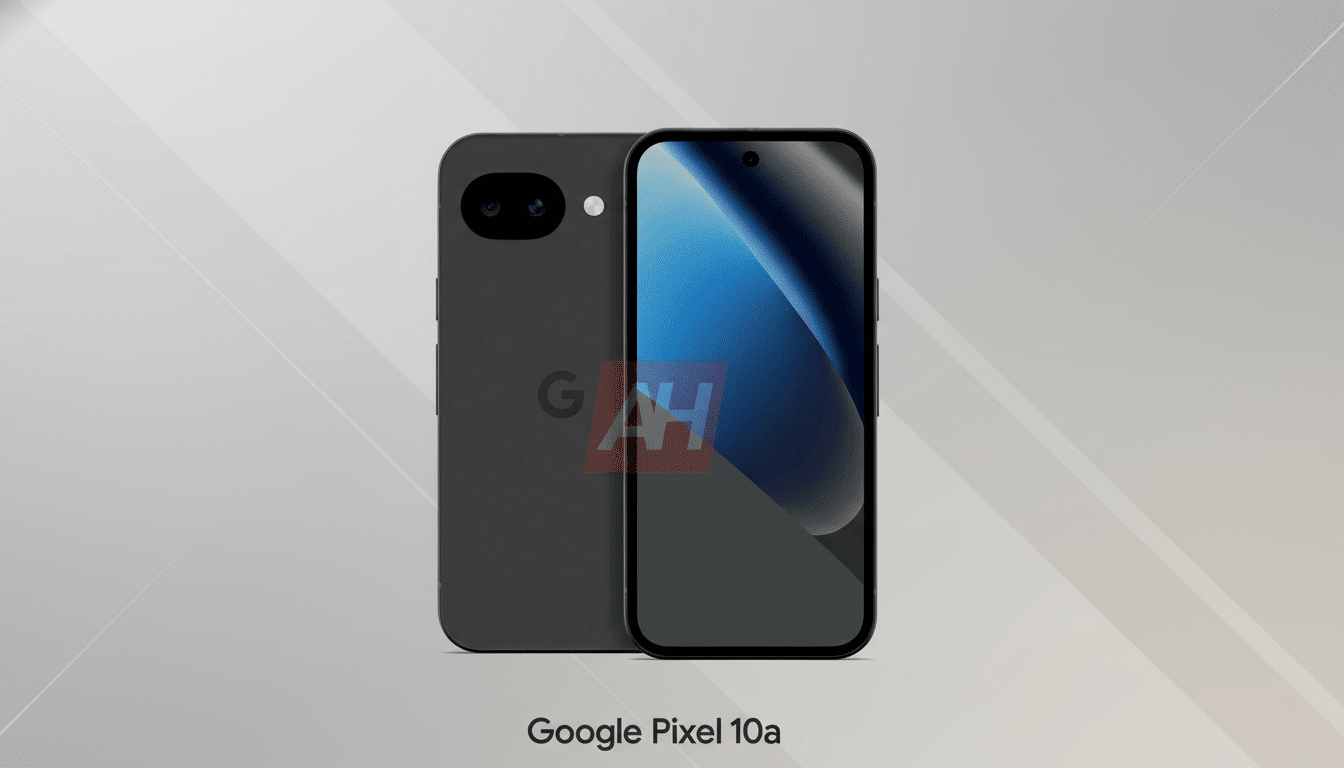
The 128GB model is tipped to arrive in four finishes—Obsidian, Berry, Lavender, and Fog—giving the lineup a broader personality than typical black-and-silver midrange fare. The 256GB configuration, however, is reportedly limited to Obsidian. That split isn’t unusual: brands often confine higher-capacity SKUs to one color to simplify forecasting and reduce channel complexity.
Accessories are part of the picture too. First-party cases are said to land around €20, positioning them competitively with third-party options while maintaining snug tolerances and color-matched trims that tend to resonate with Pixel buyers.
Specs And Early Expectations For The Pixel 10a
Spec leaks point to Google’s Tensor G4 chip under the hood, paired with 8GB of RAM and a 5,100mAh battery. Camera hardware is rumored to feature a 48MP main sensor alongside a 13MP ultrawide, with a 13MP selfie camera up front. On paper, that’s a familiar formula: solid imaging hardware leaning on Google’s computational photography, steady performance for everyday tasks, and battery headroom to comfortably clear a full day.
The likely narrative here is refinement. If the 10a stays close to the 9a’s blueprint—and the silicon suggests it will—expect incremental gains driven by software tuning, battery optimization, and Google’s continued push to bring AI features downstream without inflating the bill of materials.
Competitive Landscape And Buyer Takeaways
A €500 entry point puts the Pixel 10a squarely against stalwarts like Samsung’s A5x line, Nothing’s midrange entries, and the latest Nord devices from OnePlus. In this bracket, camera consistency, software longevity, and thermals tend to matter more than raw benchmark victories. If Google can deliver the leaked battery capacity with stable performance and its usual imaging polish, it will be well positioned.
The bigger story, though, is about discipline: a leaner price at launch, a clear SKU strategy, and a calendar day already penciled in by retailers. That combination hints at a tighter go-to-market plan than prior A-series cycles. As always, treat leaks with caution—but if this one holds, value-focused Android buyers could have a compelling new default option soon.
